
An Electro-Pop Anthem of Disconnection, Yet Enduringly Loved
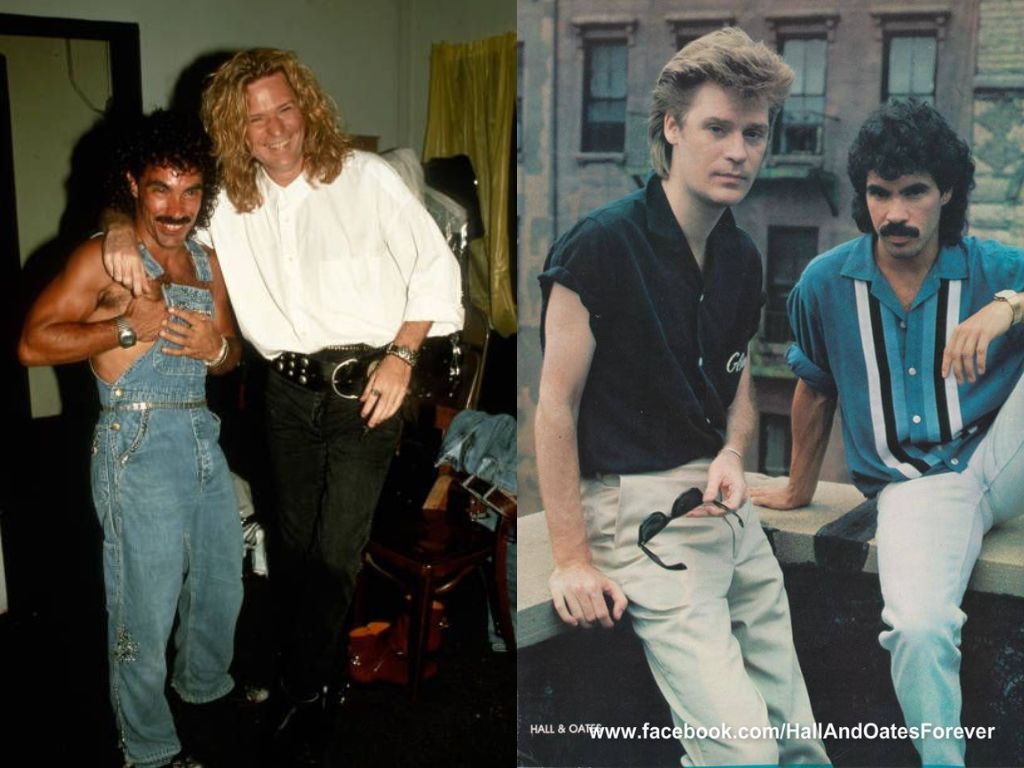
Ah, the mid-1980s. A time of neon lights, shoulder pads, and a pop sound that was rapidly evolving, embracing synthesizers and drum machines with gusto. For many of us who lived through it, these years were defined by certain sounds that, even now, can instantly transport us back to high school dances, first dates, or simply cruising down the street with the windows down. And among the titans of that era, one duo stood head and shoulders above the rest: Hall & Oates. Their unique blend of blue-eyed soul, pop sensibility, and undeniable songwriting prowess had already cemented their place in music history, but in 1984, they delivered a track that would once again redefine their sound and capture the zeitgeist of a generation: “Out of Touch.”
This wasn’t just another hit for Daryl Hall and John Oates; it was a phenomenon. Released as the lead single from their twelfth studio album, “Big Bam Boom,” “Out of Touch” didn’t just climb the charts – it dominated them. On December 8, 1984, it soared to the coveted number one spot on the Billboard Hot 100, a position it held for two glorious weeks. This wasn’t a fleeting moment of glory; it marked their sixth and, as it turned out, final number-one hit, solidifying their status as the most successful duo in rock history. To put that into perspective, imagine the airwaves buzzing with this song, a constant presence on MTV, a track that everyone, from teenagers to their parents, seemed to be humming. It was inescapable, and for good reason.
The story behind “Out of Touch” is as fascinating as its sound. By the mid-eighties, Hall & Oates were already seasoned veterans, having navigated the ever-changing landscape of popular music for over a decade. They had experimented with various sounds, always with an ear for what was current, yet always retaining that signature melodic charm. For “Big Bam Boom,” they fully embraced the burgeoning synth-pop sound, pushing their boundaries even further. Daryl Hall has often spoken about the creative process behind their hits, emphasizing the collaborative energy between him and John Oates. While Hall often took the lead on lyrics and melodies, Oates’s intricate guitar work and vocal harmonies were always indispensable.
The meaning of “Out of Touch” is remarkably poignant, especially when viewed through the lens of time. On the surface, it’s a plea, a lament from someone who feels a growing distance from a loved one. The lyrics paint a picture of miscommunication, of words unspoken, and a connection that’s slowly fraying: “You’re out of touch / I’m out of time / But I’m out of my head when you’re not around.” It’s a feeling many of us can relate to – that gnawing sensation of drifting apart, even from those we hold dear. But beneath this personal narrative, there’s a broader commentary, perhaps unintentional at the time, on the rapid technological and social shifts occurring in the 80s. Were we, as a society, becoming “out of touch” with genuine human connection as we embraced new forms of communication and entertainment? It’s a question that still resonates today.
Beyond its lyrical depth, the production of “Out of Touch” was revolutionary. The driving synth bassline, the crisp drum machine beats, and the layers of shimmering keyboards created a sound that was both futuristic and undeniably catchy. It was a masterclass in modern pop production, showcasing Hall & Oates’s ability to adapt and innovate. The music video, a staple of the MTV era, was also iconic, featuring the duo performing in a futuristic, somewhat abstract setting, perfectly complementing the song’s electronic feel. This visual component was crucial in solidifying the song’s place in popular culture, making it an experience that engaged both the ears and the eyes.
For those of us who came of age during that vibrant decade, “Out of Touch” isn’t just a song; it’s a time capsule. It evokes memories of simpler times, perhaps of cassette tapes being rewound with a pencil, of eagerly awaiting the Top 40 countdown on the radio, or of attempting to mimic Daryl Hall’s effortless vocal runs in front of a mirror. It’s a testament to the enduring power of a perfectly crafted pop song – one that can speak to universal human experiences while simultaneously defining a moment in history. Even now, nearly four decades later, when those opening synth chords of “Out of Touch” hit, it’s impossible not to feel a surge of nostalgia, a warm wave of recollection for a time when Hall & Oates were truly “in touch” with the heartbeat of popular music.