
A Resounding Anthem of Empowerment and Self-Discovery
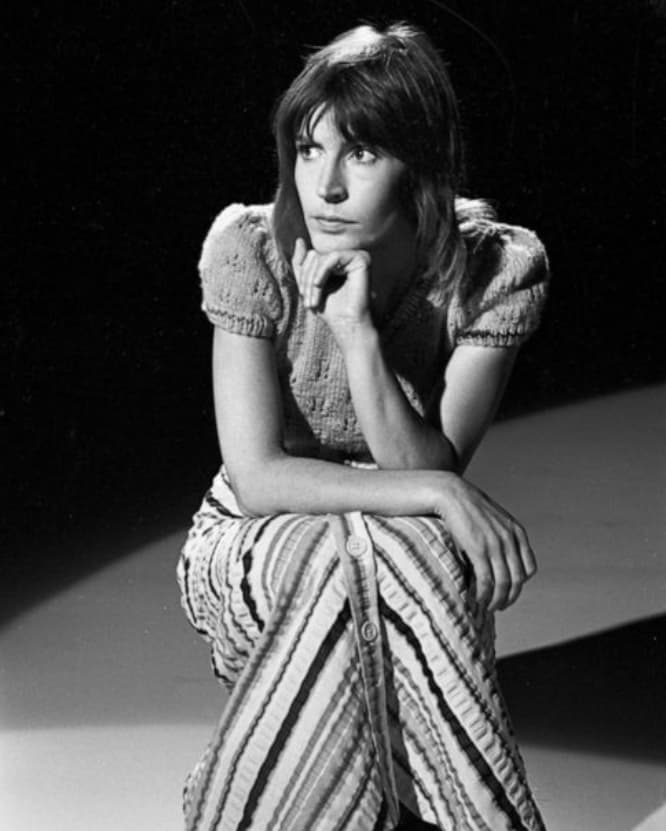
Ah, Helen Reddy. Just hearing that name conjures up images of a different time, doesn’t it? A time when voices like hers, clear and unwavering, cut through the noise and truly resonated with the spirit of the age. And when we speak of Helen Reddy, it’s almost impossible not to immediately think of “I Am Woman.” This wasn’t just a song; it was a phenomenon, a rallying cry that became the unofficial anthem of the burgeoning feminist movement in the early 1970s. Released in 1972, it didn’t just climb the charts; it soared, reaching the coveted number one spot on the Billboard Hot 100 on December 9, 1972, and holding that position for one remarkable week. Its journey to the top wasn’t immediate, though. It was a sleeper hit, initially released on her album “I Am Woman” (which itself peaked at number 14 on the Billboard 200) and later as a single. Its ascent was fueled by word-of-mouth, by women across America hearing their own experiences, their own burgeoning sense of self-worth, reflected in its powerful lyrics.
For those of us who lived through those years, the very air seemed charged with change. The women’s liberation movement was gaining significant momentum, challenging long-held societal norms and pushing for equality in every sphere of life. In this fertile ground of social upheaval, “I Am Woman” found its perfect home. But the story behind the song is even more personal and poignant. It wasn’t some calculated commercial venture; it was born from Helen Reddy’s own experiences and frustrations. She was a working mother, navigating the demanding world of entertainment while also raising her children, often feeling undervalued and unheard in a male-dominated industry. As she famously recounted, she was tired of songs that portrayed women solely as lovesick or subservient. She yearned for something that spoke to the strength, resilience, and inherent dignity of women.
The song’s genesis lay in a conversation Reddy had with her then-husband and manager, Jeff Wald. He reportedly told her, after she expressed her desire for a song that truly represented women, “If you want one, you’ll have to write it yourself.” And so she did, collaborating with Ray Burton on the music. The lyrics poured out of her, a heartfelt declaration of independence and self-affirmation. Lines like “I am woman, hear me roar / In numbers too big to ignore” weren’t just catchy; they were revolutionary. They spoke to a collective awakening, a realization that women, together, possessed immense power and agency. It was a defiant rejection of patriarchal expectations and an embrace of individual identity. The song articulated the growing awareness among women that they were more than just wives, mothers, or daughters; they were individuals with their own aspirations, their own voices, and their own inherent worth.
Beyond its immediate impact, “I Am Woman” continued to resonate deeply for decades. It became an anthem not just for the feminist movement but for anyone seeking to break free from limitations and embrace their true selves. It was played at countless rallies, protests, and women’s gatherings, a constant reminder of the progress made and the battles yet to be won. For many of us who remember those times, hearing the song now evokes a powerful wave of nostalgia, a bittersweet mix of pride in how far we’ve come and a recognition of the ongoing journey towards true equality. It reminds us of the courage it took for women like Helen Reddy to stand up and speak their truth, paving the way for future generations. Her voice, strong and clear, echoed the aspirations of millions, offering solace, inspiration, and a sense of shared purpose. “I Am Woman” isn’t just a relic of the past; it’s a timeless testament to the enduring spirit of resilience, self-belief, and the unwavering power of women.