
Dueling Banjos: A Timeless Duel That Plucked the Heartstrings of a Nation
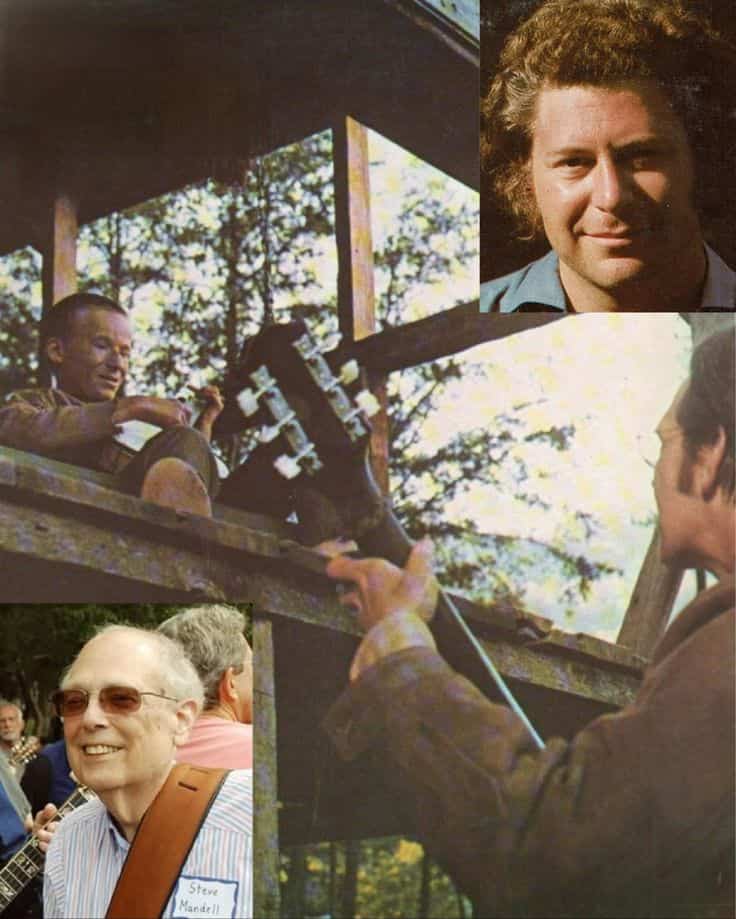
Ah, “Dueling Banjos.” The very name conjures images, doesn’t it? For many of us of a certain vintage, it’s not just a song; it’s a timestamp, a vivid auditory snapshot of 1972. It’s the sound of a cultural phenomenon, a surprise hit that transcended its bluegrass roots to become an indelible part of the American consciousness. This instrumental masterpiece, performed by Eric Weissberg & Steve Mandell, wasn’t just a catchy tune; it was the unexpected heartbeat of a harrowing film, and in doing so, it found its way into the homes and hearts of millions, reaching an astonishing No. 2 on the Billboard Hot 100 chart in early 1973.
It’s remarkable, really, how a piece of music so rooted in a specific folk tradition could achieve such widespread appeal. But then again, there was nothing quite like it on the airwaves at the time. The charts were dominated by pop, rock, and soul, and then, seemingly out of nowhere, came this spirited, almost whimsical exchange between two banjos. It was fresh, it was vibrant, and it possessed an undeniable infectious energy. The single’s success was inextricably linked to its pivotal role in the film “Deliverance.” Released in 1972, John Boorman’s chilling thriller, set against the backdrop of the wild American South, used “Dueling Banjos” as its iconic musical centerpiece. The scene itself, featuring the film’s protagonist (played by Ronny Cox) engaging in a musical back-and-forth with a young, developmentally challenged boy from the backwoods, is etched into the collective memory. It’s a moment of unsettling beauty, a brief respite from the escalating tension of the narrative, yet one that subtly foreshadows the primal struggles to come.
The story behind the song is almost as fascinating as its impact. While Eric Weissberg and Steve Mandell received the credit and the commercial success for the version heard in the film and on the single, the tune itself has a longer, more complex lineage. The composition is actually credited to Arthur “Guitar Boogie” Smith, who first recorded it in 1955 as “Feudin’ Banjos.” However, it was Weissberg’s arrangement, honed over years of playing in Greenwich Village folk clubs and sessions, that brought it to the attention of the film’s producers. Weissberg, a renowned multi-instrumentalist and session musician, was initially hired to supervise and perform the music for “Deliverance.” He brought in Mandell to collaborate on the banjo parts, creating the dynamic interplay that would become so famous. The legal wrangling over songwriting credits and royalties that followed the song’s massive success is a tale in itself, underscoring the often-complicated intersection of artistry and commerce.
But beyond the legalities and the chart positions, what does “Dueling Banjos” truly mean to us, especially now, looking back through the mists of time? It’s more than just a novelty hit. It’s a powerful evocation of a specific place and time, capturing the untamed spirit of rural America and the clash between different worlds. The “dueling” aspect of the title isn’t just about two instruments; it reflects the deeper conflicts at play in the film – man versus nature, city versus country, civilization versus savagery. Yet, even stripped of its cinematic context, the song stands on its own as a testament to the sheer joy and virtuosity of bluegrass music. It’s a conversation without words, a vibrant back-and-forth that speaks of skill, playfulness, and an undeniable passion for making music. For many of us, it was our first introduction to the intricate, rapid-fire world of the five-string banjo, sparking an interest in a genre that might otherwise have remained undiscovered. It reminds us of a time when a simple, well-played instrumental could capture the imagination of a nation, proving that sometimes, the most profound statements are made without uttering a single word. “Dueling Banjos” continues to echo through the years, a delightful and powerful reminder of the enduring magic of music.