
Status Quo’s “Red Sky”: A Melancholy Reflection on Love’s Fading Light
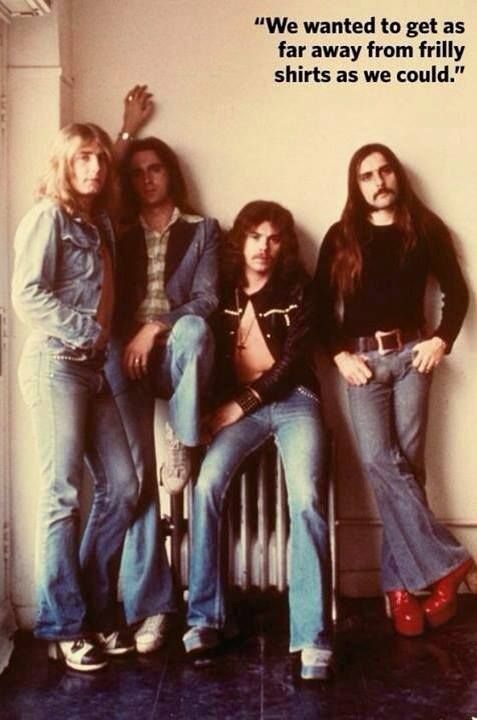
Ah, Status Quo. Just the name itself conjures up images of simpler times, doesn’t it? Of sweat-soaked pubs, guitars plugged in and turned up to eleven, and a rhythm section that could get even the most stubborn of wallflowers tapping their feet. They were, and still are, masters of that no-nonsense, boogie-rock sound that just gets under your skin. But every now and then, even the most steadfast of rock ‘n’ rollers shows a different side, a hint of vulnerability beneath the denim and long hair. And for Status Quo, that moment arrived, poignantly and powerfully, with their 1986 single, “Red Sky.”
Released on July 18, 1986, as the second single from their seventeenth studio album, In the Army Now, “Red Sky” offered a nuanced departure from the band’s trademark head-down boogie. It charted in the UK at number 19, spending eight weeks on the Official Singles Chart. While perhaps not reaching the dizzying heights of their biggest anthems like “Down Down” or “Rockin’ All Over The World,” its respectable performance was a testament to its quiet strength and the band’s enduring appeal. This was a track that resonated, not just with the dedicated Quo army, but with anyone who had ever felt the slow, aching pang of a love slipping away.
The story behind “Red Sky” is particularly interesting because, unlike many of Status Quo‘s self-penned classics, it was written by an external songwriter, John David, and produced by the legendary Dave Edmunds. This collaboration brought a fresh perspective to the band’s sound, allowing for a more reflective and perhaps less immediate, but ultimately more enduring, emotional depth. Edmunds, known for his crisp, no-frills production and love of classic rock ‘n’ roll, helped shape the song into something both timeless and subtly melancholy. It was a conscious choice, perhaps, to explore different facets of their musical identity in the wake of significant lineup changes, with bassist John “Rhino” Edwards and drummer Jeff Rich joining the band in March 1986, prior to the recording of In the Army Now. This period marked a new chapter for Status Quo, and “Red Sky” stands as an elegant testament to their willingness to evolve while still maintaining their core identity.
At its heart, “Red Sky” is a wistful lament, a poignant meditation on the fading embers of a relationship. The lyrics paint a vivid picture of twilight, both literal and metaphorical. A “red sky” often signifies the end of a day, a sunset, but in this context, it symbolizes the dying light of affection and connection. It’s about that heartbreaking moment when you realize the passion that once burned so brightly is now dimming, replaced by a quiet resignation. The protagonist observes the subtle shifts, the growing distance, and the unspoken acknowledgment that something precious is being lost. It’s not an angry or bitter song, but rather one filled with a profound sadness and a touch of helpless acceptance. For many of us of a certain vintage, it evokes memories of past loves that, for whatever reason, just slowly drifted apart, leaving behind a bittersweet echo.
The imagery in the song is simple yet potent: “The colours fade with the light,” and “the promises we made just slip away.” These lines speak to the universal experience of love’s impermanence, the way time and circumstance can erode even the strongest of bonds. The track’s deliberate pacing, a slight departure from Status Quo‘s more frenetic fare, allows the emotions to breathe, for the listener to sink into the somber mood. Rick Parfitt’s vocals, often associated with a more raucous delivery, take on a contemplative quality here, adding to the song’s reflective nature.
As we look back, “Red Sky” serves as a beautiful, slightly understated gem in the vast Status Quo discography. It’s a reminder that even bands celebrated for their raw power and relentless energy possess a nuanced artistry capable of capturing the quieter, more vulnerable aspects of the human heart. It’s a song for those long evenings when the light is fading, and you find yourself lost in thought, remembering times gone by and loves that, like the setting sun, left a beautiful, if melancholy, glow in their wake. It’s a timeless piece, resonating just as deeply today as it did when it first graced the airwaves, a testament to the enduring power of music to connect us to our shared emotional landscape.