
Suzi Quatro’s “Devil Gate Drive”: A Roaring Anthem of Rebel Spirit
Ah, for those of us who remember the roaring, glitter-streaked seventies, there are certain songs that don’t just echo in our minds – they ignite a whole era. One such explosive track, a true firecracker that burned its way onto the charts and into our collective consciousness, was Suzi Quatro‘s “Devil Gate Drive.” Released in 1974, this raw, unapologetic anthem of rock ‘n’ roll rebellion didn’t just climb the charts; it utterly dominated them, securing the coveted number one spot in the UK Singles Chart. It was a triumph that cemented Suzi Quatro‘s status not just as a musician, but as a groundbreaking phenomenon, a female artist who dared to be loud, proud, and undeniably rock and roll in a landscape still largely dominated by men.
“Devil Gate Drive” was the follow-up single to Quatro‘s equally iconic “Can the Can,” and its success proved that her initial breakthrough was no fluke. This was the sound of an artist hitting her stride, refining her signature blend of gritty rock and pop sensibility. The song, penned by the masterful songwriting duo of Nicky Chinn and Mike Chapman, who were responsible for many of Quatro‘s early hits, perfectly encapsulated the rebellious spirit that was bubbling beneath the surface of the mid-seventies. It’s a track that, even today, makes you want to tap your foot, snap your fingers, and maybe even let out a little primal scream of defiance.
At its core, “Devil Gate Drive” is a celebration of youthful exuberance, a defiant embrace of freedom, and a playful nod to a certain kind of dangerous allure. The lyrics paint a vivid picture of a wild ride, a journey down a metaphorical “Devil Gate Drive” where rules are bent, and inhibitions are shed. It speaks to that exhilarating feeling of letting loose, of living on the edge, even if just for a moment. For many of us, it was the soundtrack to first crushes, late-night adventures, and the glorious realization that we could forge our own paths, no matter what society expected. It’s a song about breaking free from the mundane, about finding your own personal thrill, whether that was a fast car, a wild party, or simply the sheer joy of living life on your own terms. The “Devil Gate Drive” itself isn’t a literal place; it’s a state of mind, a metaphor for the risky, exciting choices we make, and the exhilarating consequences that follow. It’s about a character who is drawn to the edge, to the thrill of the unknown, and who finds a sense of liberation in that pursuit.
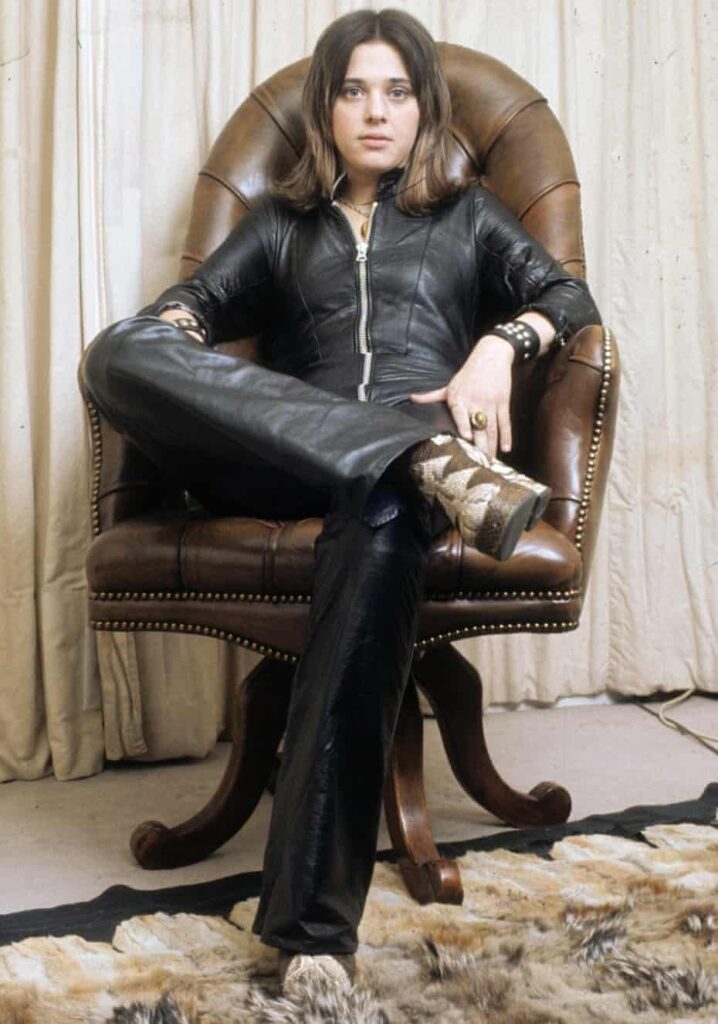
Looking back, the cultural impact of “Devil Gate Drive” extends far beyond its chart success. It solidified Suzi Quatro as a trailblazer, a woman who played bass with unbridled ferocity, sang with a snarling confidence, and projected an image of cool, unadulterated rock star power. She wasn’t just a singer; she was a performer, an icon who inspired countless young girls to pick up instruments and challenge preconceived notions of what a female artist could be. Her leather jumpsuit, her powerful stage presence, and her undeniable talent forged a path for future generations of women in rock. “Devil Gate Drive” wasn’t just a catchy tune; it was a rallying cry, an anthem for those who felt misunderstood, who longed for a bit of rebellion in their lives, and who found solace and empowerment in the raw energy of rock and roll. It reminds us of a time when music felt dangerous, exciting, and utterly vital – a perfect snapshot of the electric atmosphere of the 1970s. For those of us who lived through it, the song brings back a cascade of memories, a warm wave of nostalgia for a time when the world seemed a little wilder, a little less polished, and a whole lot more rock and roll.