
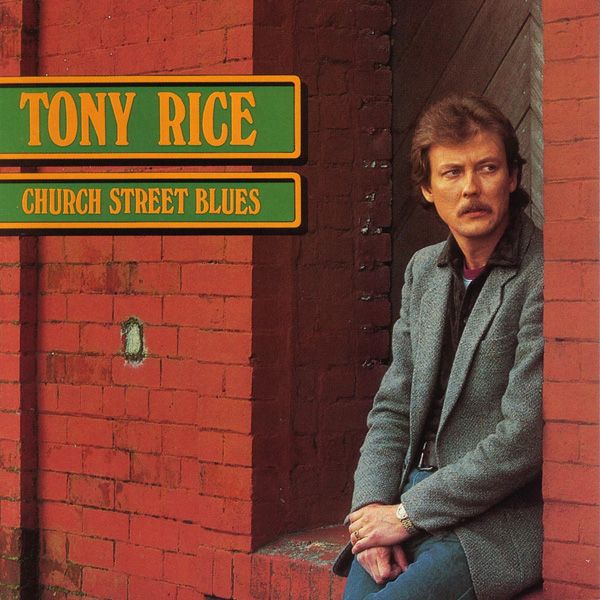
Tony Rice’s “Church Street Blues”: A Melancholy Ode to Simpler Times and the Longing for Home
Ah, to cast our minds back to 1983, a year that saw the release of a song that would etch itself into the hearts of bluegrass and acoustic music aficionados: “Church Street Blues” by the incomparable Tony Rice. While it might not have scaled the dizzying heights of the pop charts, its impact within its genre was profound and enduring. For those of us who followed the currents of acoustic music, this track, nestled on the album of the same name, “Church Street Blues”, quickly became a touchstone, a quiet anthem of reflection and remembrance. It wasn’t about selling millions; it was about touching souls, and in that, it succeeded magnificently. The album itself is often considered a masterpiece, a testament to Rice’s singular vision and his ability to fuse unparalleled technical prowess with deeply felt emotion.
The story behind “Church Street Blues” is, in many ways, the story of countless musicians and dreamers who have left their roots in pursuit of their craft, only to find themselves looking back with a mixture of fondness and melancholy. Penned by the immensely talented composer and multi-instrumentalist Norman Blake, the song vividly paints a picture of wanderlust, of a life spent on the road, far from the familiar comforts of home. It speaks to the universal ache of separation, the quiet longing for the simplicity and warmth of a place left behind. For Tony Rice, a man whose life was intrinsically linked to touring and performing, the lyrics undoubtedly resonated deeply, allowing him to imbue his interpretation with an authentic and palpable sense of yearning. It’s a song that speaks to the bittersweet paradox of the artist’s life: the joy of creating and sharing music, often juxtaposed with the sacrifices made in personal connection and settled living.
The meaning of “Church Street Blues” is multifaceted, yet at its core, it’s a poignant exploration of nostalgia, the passage of time, and the enduring power of memory. The “Church Street” in question isn’t necessarily a specific, identifiable street, but rather a symbolic representation of any place that holds deep personal significance—a childhood home, a cherished community, a simpler time before life became more complicated. It’s about the quiet moments of reflection when we find ourselves adrift in the present, pulled back by the currents of the past. The “blues” in the title isn’t about a musical genre here, but rather the profound sense of wistfulness and a gentle sadness that accompanies such reflections. It’s the feeling of something lost, not necessarily in a tragic sense, but in the inevitable unfolding of life and the distance it creates from our origins.
Tony Rice’s rendition, in particular, elevates the song beyond mere words and melody. His guitar work, a masterclass in understated brilliance, is not just accompaniment; it’s a narrative voice in itself. Each note, each bend, each subtle nuance of his flatpicking style, seems to whisper tales of long journeys, quiet contemplation, and the ache of memory. The sparse arrangement allows his guitar and voice to truly shine, creating an intimate atmosphere that feels as though Rice is sitting right beside you, sharing a deeply personal secret. It’s a testament to his artistry that he could convey so much emotion with such apparent effortlessness. For many of us, hearing this song is like stepping into a time machine, transporting us back to a simpler era, perhaps to front porches and late-night jams, or simply to a quiet evening spent contemplating the passage of time. It’s a reminder that some of the most profound human experiences are found not in grand gestures, but in the quiet contemplation of what was, what is, and what might have been. “Church Street Blues” is more than just a song; it’s an enduring feeling, a shared memory, and a timeless echo of the human heart’s perpetual yearning for home.