
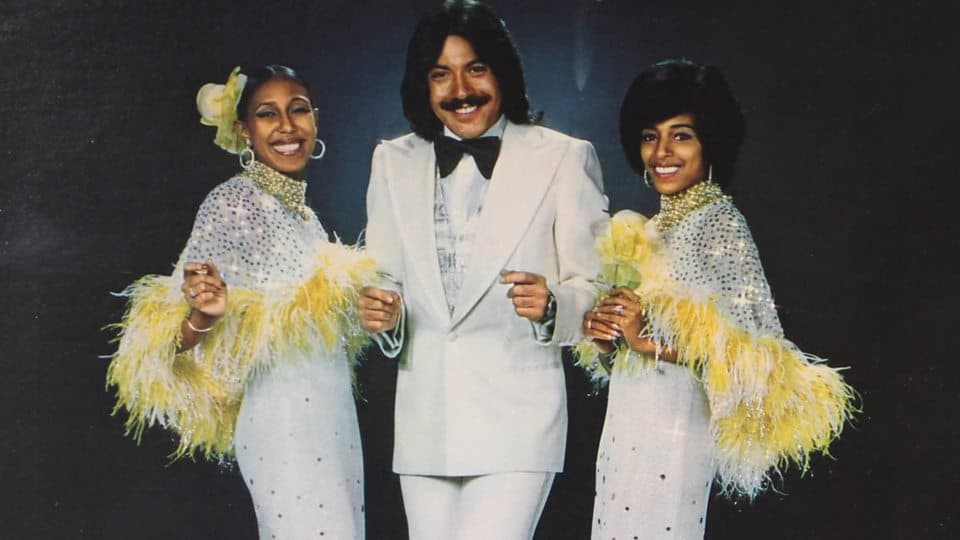
A Timeless Anthem of Hope and Homecoming: Tie a Yellow Ribbon Round the Ole Oak Tree by Tony Orlando & Dawn
Ah, the early 1970s. A time of change, reflection, and a yearning for connection. It was against this backdrop that a simple yet profoundly moving song, Tie a Yellow Ribbon Round the Ole Oak Tree, by the vibrant trio Tony Orlando & Dawn, first graced our radio waves. Released in the spring of 1973, this poignant ballad quickly resonated with a nation seeking solace and reassurance, climbing to the pinnacle of the Billboard Hot 100 chart, where it held the number one spot for a remarkable four weeks. It became an instant classic, a soundtrack to reunions and a symbol of unwavering hope.
The genesis of this enduring tune is as captivating as the melody itself. While the exact origins are debated, the narrative often traces back to a story told by Pete Hamill in the New York Post about a man returning home from prison. In Hamill’s version, the man wrote to his wife, asking her to tie a white handkerchief to an oak tree if she still wanted him. The overwhelming sight of multiple handkerchiefs upon his arrival was a powerful testament to enduring love and forgiveness. Songwriters Irwin Levine and L. Russell Brown masterfully adapted this premise, transforming the white handkerchief into a more visually striking and emotionally resonant yellow ribbon. The color yellow, long associated with hope and waiting, added another layer of depth to the narrative.
Tie a Yellow Ribbon Round the Ole Oak Tree tells the story of a man returning home after a three-year absence. The lyrics poignantly capture his trepidation and longing. He instructs his loved one to tie a yellow ribbon around the old oak tree in their town if she still desires his return. If there is no ribbon, he will remain on the bus, his heart heavy with the possibility of rejection. The anticipation builds with each passing mile, culminating in a breathtaking and joyous reunion as he sees not just one, but a hundred yellow ribbons adorning the tree. This simple yet powerful image speaks volumes about unwavering love, acceptance, and the joy of coming home. It’s a narrative that tugs at the heartstrings, reminding us of the importance of belonging and the comfort of unconditional love.
Beyond its compelling story, the song’s enduring appeal lies in its universal themes. It transcends the specific context of a returning prisoner, becoming an anthem for anyone yearning to reconnect with loved ones after a period of separation. Whether it’s a soldier returning from duty, a student coming home for the holidays, or simply a friend reuniting after a long absence, the image of the yellow ribbon serves as a potent symbol of welcome and the unbreakable bonds of human connection. Tony Orlando‘s warm and sincere vocals, coupled with the harmonious blend of Dawn‘s voices, further amplify the emotional impact of the lyrics, creating a truly unforgettable listening experience.
The success of Tie a Yellow Ribbon Round the Ole Oak Tree propelled Tony Orlando & Dawn to even greater heights in their already impressive career. The song became their signature tune, forever etched in the collective memory of a generation. It graced countless radio playlists, television shows, and family gatherings, becoming a cultural touchstone of the era. The album of the same name, Tie a Yellow Ribbon, also enjoyed considerable success, further solidifying the song’s place in music history. Even today, decades later, the song continues to evoke a sense of nostalgia and warmth, reminding us of the enduring power of hope, forgiveness, and the simple joy of coming home. It stands as a testament to the timeless magic of a well-crafted song that speaks directly to the human heart.