
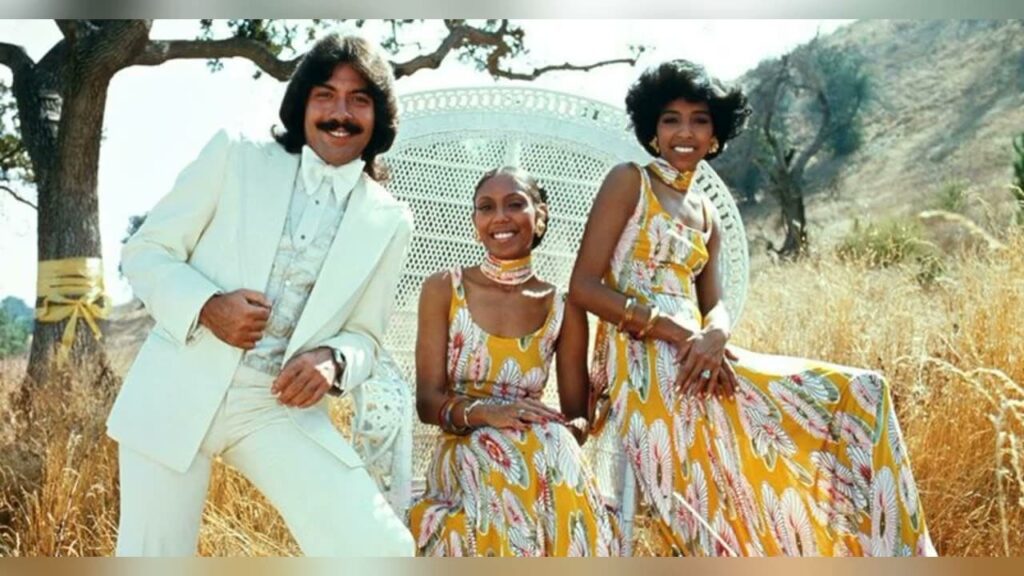
A Simple Plea for Connection Across Thin Walls: Tony Orlando & Dawn’s Enduring Anthem
Ah, “Knock Three Times” by Tony Orlando & Dawn… the very title conjures a feeling, doesn’t it? A touch of youthful yearning, a hint of clandestine communication in a world that sometimes felt a little less connected than it does today. Released in the autumn of 1970, this infectious melody quickly climbed the charts, reaching the coveted number one spot on the Billboard Hot 100 in January of 1971, where it resonated with a nation seeking simple joys and relatable narratives. It was a moment when AM radio was king, and this song reigned supreme, a staple of jukeboxes and transistor radios alike.
The story behind “Knock Three Times” is as charmingly straightforward as the song itself. Penned by the talented songwriting duo of L. Russell Brown and Irwin Levine, the inspiration reportedly came from Levine’s own experiences living in a boarding house. The thin walls and the unspoken understandings between residents fostered a unique kind of intimacy, where a simple tap could convey a world of meaning. This idea of communicating without words, of a shared secret language, became the heart of the song. Imagine those days, perhaps you remember them, when privacy wasn’t always a given, and small gestures held significant weight. A knock on the wall wasn’t just a sound; it was a question, an invitation, a reassurance.
The lyrics paint a picture of a shy young man, harboring a secret affection for the woman living in the apartment below. Too timid to express his feelings directly, he devises a code: one tap on the ceiling at night to signal his presence, and if she feels the same, she should “knock three times” on her floor. It’s a scenario brimming with a sweet, almost innocent longing, a testament to the tentative steps we often take in matters of the heart. Think back to your own early experiences with romance, the nervous anticipation, the unspoken desires. This song captures that delicate dance perfectly. The simplicity of the premise is what made it so universally appealing. It wasn’t about grand gestures or dramatic declarations; it was about the quiet hope for a reciprocal connection, a shared understanding whispered through the floorboards.
The arrangement of “Knock Three Times” further amplified its charm. The upbeat tempo, driven by a catchy rhythm and punctuated by those now-iconic knocks, created an irresistible energy. Tony Orlando‘s warm and engaging vocals, perfectly complemented by the harmonious voices of Dawn (Telma Hopkins and Joyce Vincent Wilson), brought the narrative to life with sincerity and a touch of playful anticipation. The song wasn’t overly produced; it had a raw, almost conversational quality that made it feel like a friend sharing a secret. It was a sound that was distinctly of its time, yet it possesses a timeless quality that allows it to evoke those feelings even today.
“Knock Three Times” wasn’t just a fleeting hit; it became a signature song for Tony Orlando & Dawn, solidifying their place in the pop music landscape of the early 1970s. It paved the way for further successes, including other memorable tunes like “Tie a Yellow Ribbon Round the Ole Oak Tree” and “Say, Has Anybody Seen My Sweet Gypsy Rose?”, but there was a certain magic in that initial breakthrough. It spoke to a universal human experience – the desire for connection, the courage to reach out, and the hopeful anticipation of a response.
Listening to “Knock Three Times” today is like opening a time capsule. It transports us back to an era of simpler communication, where a heartfelt knock could carry the weight of unspoken affection. It reminds us of the tentative beauty of early romance and the universal language of hope. It’s a song that continues to tap into the nostalgic corners of our hearts, a gentle reminder of a time when a simple beat could capture the yearnings of a generation. So, close your eyes for a moment and let the rhythm take you back… can you hear those three little knocks? They still resonate, don’t they?