
Sweet’s “Lettres D’Amour” Remains a Showcase of Brian Connolly’s Timeless Vocal Brilliance
Among the many songs recorded by Sweet during the later years of their career, “Lettres D’Amour” continues to stand out as one of the most memorable. Originally appearing on the band’s 1978 album Level Headed, the song revealed a softer and more sophisticated side of a group that had already earned international recognition through a string of major hit records.
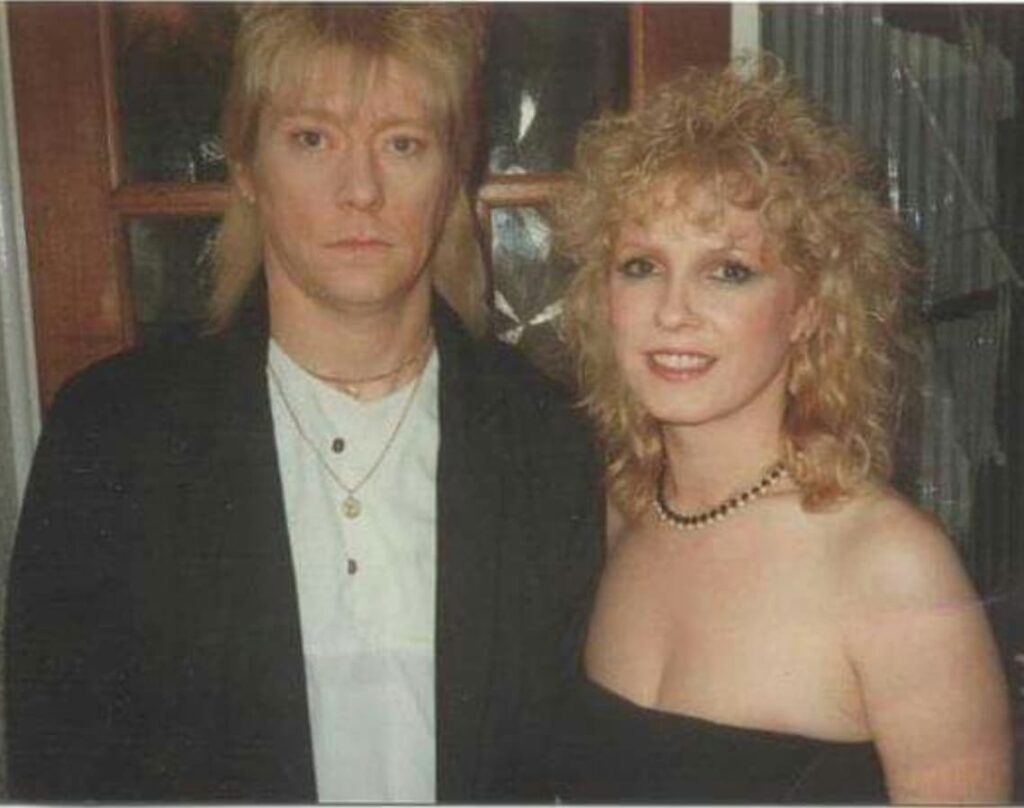
The promotional clip for “Lettres D’Amour” brings together the classic lineup of Brian Connolly on lead vocals, Andy Scott on guitar, synthesizer and vocals, Steve Priest on bass and vocals, Mick Tucker on drums and percussion, along with vocalist Stevie Lange. The performance captures a period when Sweet was exploring a more melodic and polished sound while maintaining the vocal strength that had always been at the heart of the band’s identity.
At the center of the song is the striking duet between Brian Connolly and Stevie Lange. Their voices blend effortlessly, creating a warm and emotional atmosphere that remains one of the defining qualities of the recording. Connolly’s performance demonstrates the remarkable versatility that made him one of the most distinctive singers of his generation. Whether performing hard rock anthems or gentle ballads, he possessed a rare ability to adapt his voice while preserving its unmistakable character.
The clip also highlights the chemistry between the performers. Connolly’s expressive presence and natural charm add an emotional dimension to the song, complementing the elegant arrangement and rich harmonies. Those harmonies, delivered by a band renowned for its vocal precision, remain among the most celebrated aspects of Sweet’s musical legacy.
For many followers of the group, “Lettres D’Amour” represents one of the finest moments from Level Headed. Some have long argued that the song deserved greater recognition and could have been a worthy successor to the band’s major hit “Love Is Like Oxygen.” Its refined production and memorable melody continue to support that view decades after its release.
The song also serves as a reminder of a unique chapter in Sweet’s history. While the band would face significant challenges in the years that followed, “Lettres D’Amour” captures a moment when their creative talents came together to produce something both elegant and enduring.
Nearly five decades after its original release, the promotional clip remains a testament to the artistry of Sweet and to the extraordinary vocal gifts of Brian Connolly. It preserves a performance that continues to resonate through its beauty, its musicianship, and its heartfelt delivery.