
“Come On Love”: A Forgotten Gem That Revealed David Cassidy’s Musical Depth
Among the many memorable songs performed by The Partridge Family, “Come On Love” remains one of the most underrated recordings in the group’s catalog. Written by acclaimed songwriting duo Terry Cashman and Tommy West, the song showcased a different side of the band’s sound and offered a glimpse into the musical influences that resonated deeply with lead singer David Cassidy.
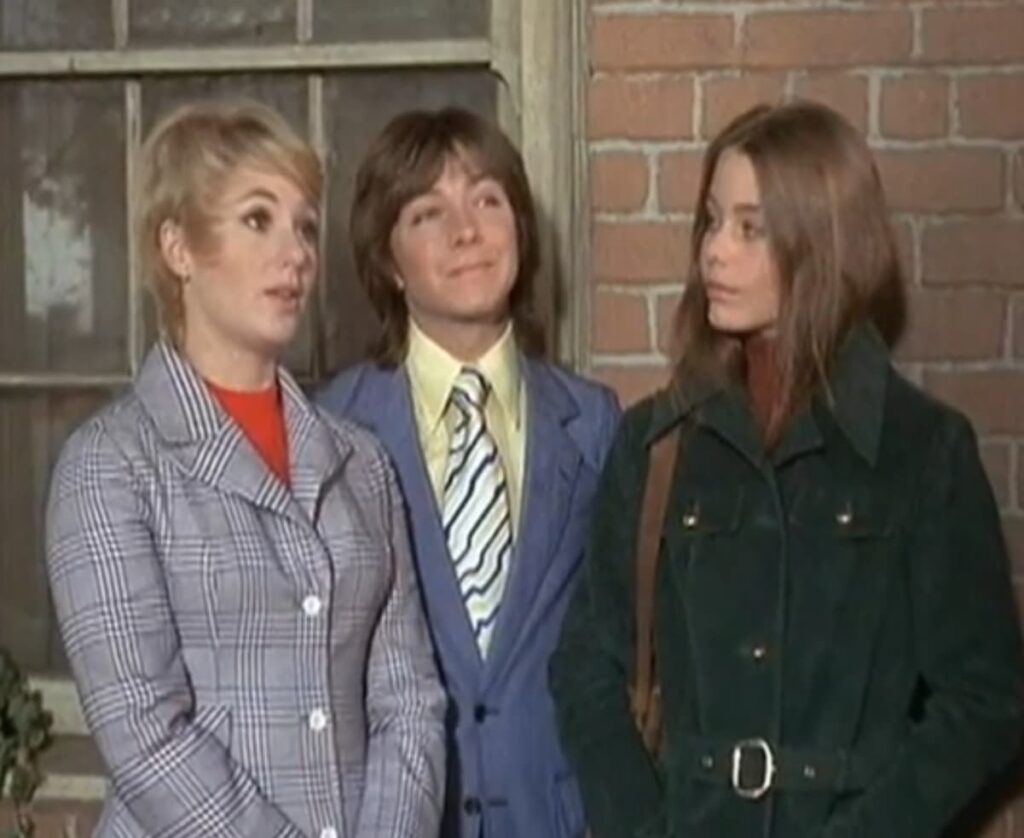
“Come On Love” was featured in the episode All’s War in Love and Fairs, which originally aired on March 10, 1972. While The Partridge Family was primarily known for its bright pop melodies and family friendly appeal, this particular performance carried a richer emotional texture. The song blended elements of pop with subtle blues influences, reflecting a style of music that Cassidy greatly admired throughout his career.
At the center of the performance was David Cassidy, whose vocal delivery helped elevate the song beyond a typical television soundtrack number. Cassidy possessed a distinctive phrasing style that became one of his trademarks. His ability to shape words and melodies gave familiar songs a unique personality and emotional resonance. In “Come On Love,” that gift is especially evident, as he infused the lyrics with warmth, sincerity, and a touch of soulful expression.
Although Cassidy achieved global fame as a teen idol during the early 1970s, his artistic talents extended far beyond that image. He was a versatile entertainer who excelled not only as a singer but also as an actor and performer. Throughout his career, he demonstrated an instinctive understanding of how to connect emotionally with a song, bringing depth and authenticity to material that might have sounded ordinary in another artist’s hands.
More than five decades after its original broadcast, “Come On Love” continues to stand as a reminder of Cassidy’s remarkable musical abilities. The performance highlights an artist who was capable of balancing commercial appeal with genuine musical expression. It also reflects the strength of the songwriting partnership of Terry Cashman and Tommy West, whose compositions helped define an era of popular music.
Today, the song remains a cherished piece of The Partridge Family legacy. For many music historians and longtime admirers of Cassidy’s work, performances such as “Come On Love” demonstrate why his contribution to popular music deserves continued recognition. Beyond the fame and cultural phenomenon that surrounded him, David Cassidy left behind a body of work that continues to reveal new layers of artistry, emotion, and timeless appeal.