
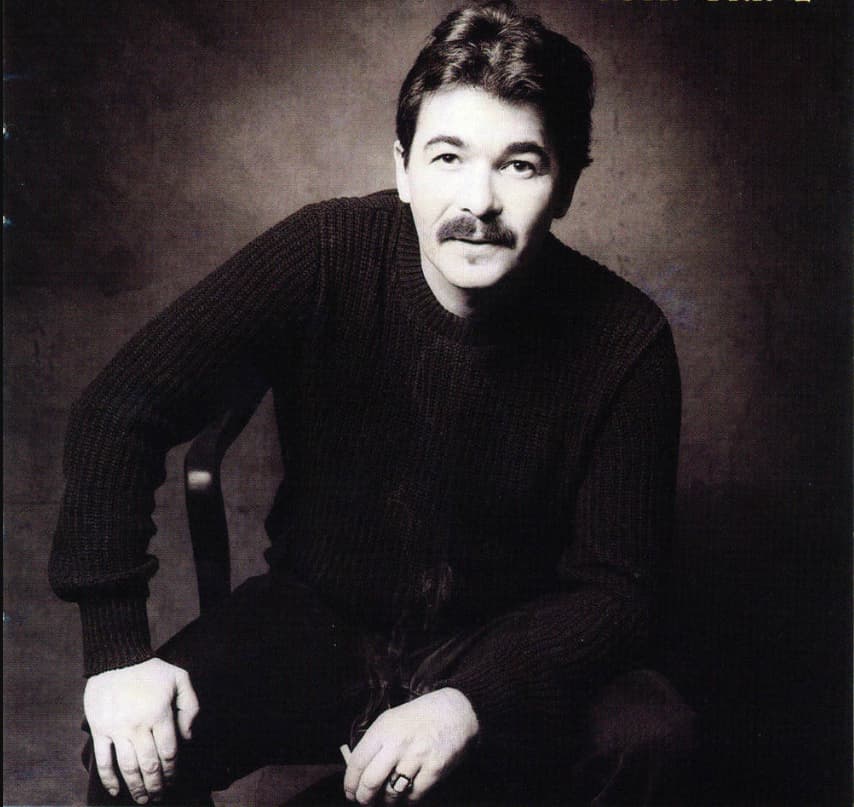
A Tender, Wry Ode to Imperfect Love
When you hear “In Spite of Ourselves” by John Prine, you sense right away: this is not a polished fairy-tale ballad, but something raw, affectionate, and gloriously flawed — just like real love.
On the strength of his return after a terrifying battle with throat cancer, John Prine released the album In Spite of Ourselves on September 28, 1999. Though the album itself peaked modestly at No. 21 on the U.S. Billboard Top Country Albums chart and No. 197 on the Billboard 200, the title track has since become one of his most beloved songs — a quietly powerful duet that resonates deeply, especially with listeners who know that love is never glamorous or perfect.
The Heart Behind the Song
The story of “In Spite of Ourselves” begins at a fragile moment in Prine’s life. After his cancer treatment, he was unsure whether he could sing again. Then the actor Billy Bob Thornton, for whom Prine had once acted, asked him to write a song for his film Daddy and Them. Prine responded by penning this very song — and he invited Iris DeMent to sing the female part. When they recorded the duet, Jim Rooney — the producer — later recalled thinking, “He’s back. Your voice is back.”
That moment feels woven into the fabric of the song: this is not just love after cancer. It is love after pain, love when you know how fragile things can be.
What the Song Truly Means
At first glance, the lyrics are charmingly oddball. Prine’s character confesses that he “drinks his beer like it’s oxygen,” while DeMent’s character shoots back with descriptions of his quirkiness — “sniffin’ my undies” and all. They paint two people who don’t fit any romantic ideal. She’s independent, blunt, even a little cranky; he’s rough around the edges, a “wacked-out weirdo.”
Yet through all these self-deprecating, humorous lines, there is an underlying, profound truth: they accept each other — not in spite of their flaws, but because of them. Lyrics like “In spite of ourselves, we’ll end up a-sittin’ on a rainbow / Against all odds, honey, we’re the big door prize” are not just a poetic flourish: they are a celebration of love’s endurance.
As one interpretation puts it, their “warts-and-all” relationship is not resigned; it is appreciative. They know their faults, they laugh at them, and yet — they stay. That is the beautiful message. In a world that often demands perfection, Prine reminds us that the truest love comes from letting each other off the hook.
Why It Resonates, Especially for Those of Us Who’ve Lived Long Enough to Know
For older listeners — for anyone who has loved through years of good and bad — this song rings with the kind of nostalgia that tugs at the heart. There is no pretense here. No sugarcoated promises of eternal perfection. It’s the honesty of someone who’s been through the fire, who’s seen their own frailties, and is still willing to stay. That kind of commitment feels more real, more hopeful.
Many fans say it’s become a favorite at weddings, not because it’s shiny or glamorous, but because it’s real. Other listeners have noted how it feels like sitting on a front porch, swinging, talking about life — in all its messy glory.
Legacy and Impact
Although “In Spite of Ourselves” wasn’t a mainstream country-chart smash, it has endured far beyond its peak chart position. It’s widely regarded as a crown jewel of Prine’s catalog, and critics often highlight it as one of his most affecting songs.
Its legacy is also deeply personal. For Prine, it marked not just his physical recovery but a return to the craft he loved. For listeners, it remains a reminder: love is not about perfection. It’s about embracing the cracks, laughing at the weirdness, and staying nonetheless. And in that imperfect staying — in that “in spite of ourselves” — we find something tender, something true.
In a world of polished ballads and carefully constructed images, John Prine’s “In Spite of Ourselves” stands out like a weathered front porch at sunset — humble, warm, and full of stories. It speaks to the kind of love that has seen too much to pretend, and understands too deeply not to celebrate.