
An introspective ballad about overcoming challenges and finding new beginnings.
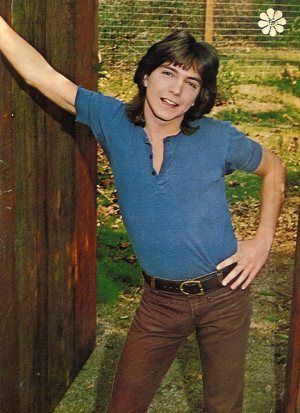
There was a time when the name David Cassidy was synonymous with teenage idol worship, a whirlwind of screaming fans and pop-infused television fame. Yet, for those of us who grew up with him—who saw him as more than just Keith Partridge—there were hints of a deeper artistry, a searching soul beneath the meticulously crafted image. One of the most poignant examples of this is the B-side gem, “Blind Hope.” While his A-sides were soaring up the charts, this song offered a quieter, more reflective look at a young man’s journey.
Released in 1972 on the B-side of the single “Could It Be Forever,” “Blind Hope” came from his debut solo album, Cherish. The album itself was a massive success, reaching number 2 in the UK and number 15 in the US, but it was the singles that truly cemented his solo star power. While “Could It Be Forever” was a top 40 hit in the US and a chart-topping sensation in the UK, it was the flip side, “Blind Hope,” that offered a raw, unvarnished glimpse into the mind of its writer, Adam Miller. The song’s placement on a single that was a hit on both sides of the Atlantic means that millions of listeners, knowingly or not, were exposed to its profound message.
The story behind the song is a compelling one. Written by Adam Miller, a songwriter who contributed several tracks to Cassidy’s early solo career, “Blind Hope” is a powerful testament to the idea that waiting for a miracle is not enough. The lyrics, with their imagery of “the sun is shining high” and “the dark inside this room,” speak to a common human experience: the feeling of being trapped and the need to break free. It’s a call to action, a gentle but firm reminder that true change comes from within. “We won’t get by on blind hope,” the chorus asserts, urging the listener to take control of their destiny.
For many of us who were young in the 70s, this song resonated deeply, even if we didn’t fully grasp its meaning at the time. It was a mature message coming from a teenage heartthrob. Cassidy’s delivery, with its yearning vocals and a subtle fragility, transformed the song from a simple pop ballad into an anthem of personal agency. It was a departure from the upbeat, bubblegum pop of The Partridge Family, showcasing a more serious artist who was grappling with the complexities of life and fame. He was not just singing about innocent love; he was singing about the necessity of shedding passivity and embracing life’s challenges. The song’s contemplative, almost somber mood stands in stark contrast to the effervescent energy of his other hits, making it a standout track and a favorite among dedicated fans who appreciated his artistry beyond the pop star facade. “Blind Hope” is a beautiful relic of a bygone era, a reminder of the quiet moments of introspection that can be found even in the midst of a whirlwind of celebrity.