
Reflections on The Goldie Hawn Special (1978): A Musical Variety Gem Bridging Generations
When we think of the late 1970s through the lens of music and entertainment, it’s impossible not to feel a warm tug at the heartstrings for the star-studded variety shows that once graced Sunday night television. Among them, The Goldie Hawn Special (broadcast in March 1978 on CBS) stands as a charming testament to an era when music, comedy, and charismatic personalities converged with sheer joy and unabashed musicality. Though not a chart‑topping song or album in the traditional sense, this television special remains deeply meaningful in the musical and cultural landscape of its time—a celebration of song, rhythm, nostalgia, and cross‑generational star power that still evokes remembrance today.
At the heart of this special was the effervescent Goldie Hawn, already beloved as a screen and television personality but here stepping into a role that fused performance art with musical homage. The program was nominated for a Primetime Emmy Award, and served as an especially poignant return to the spotlight for Hawn after she had taken a step back from the public eye for more than two years. In that sense, the special itself was a comeback — a re‑entry into musical performance that recalled the variety show tradition that so many of us grew up with.
Musically, the special was eclectic and rich, threading together classics, pop hits, and show tunes into an affectionate tapestry of sound. Among the songs showcased were Hawn’s spirited renditions of “We’re All Alone,” “Yesterday,” and even a spirited take on “Let’s Twist Again.” These were not new chart entries in the pop charts, but their inclusion in the show afforded them a renewed place in the public consciousness, particularly for older audiences who might have first fallen in love with these melodies in earlier years.
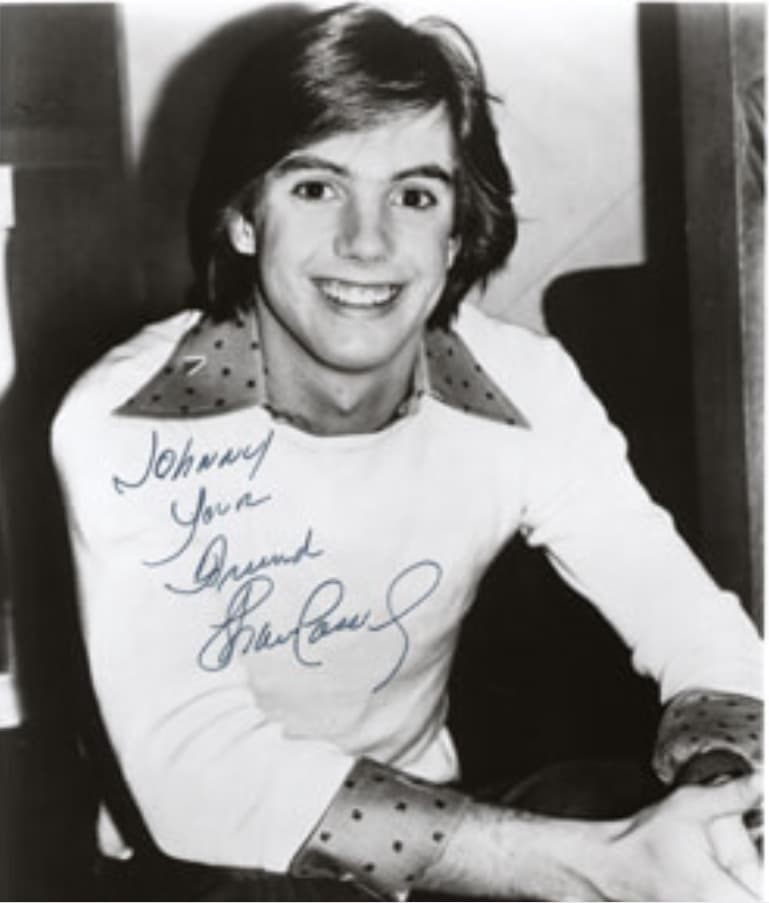
Equally compelling in the musical component was the presence of teen idol Shaun Cassidy, who performs songs like “Do You Believe in Magic” and “Da Doo Ron Ron” during the special. Cassidy, at the time a fixture on the music charts with hits of his own and a heart‑throb status among younger viewers, brought a contrasting but complementary energy to the stage—one rooted in the teen pop sound of the late 1970s that had seen real chart success with his studio recordings.
Perhaps more than any singular tune, what The Goldie Hawn Special celebrated was the very act of song itself. Older listeners will fondly recall the sheer pleasure of hearing familiar classics interpreted with care and personality. “We’re All Alone,” originally a soft rock ballad that had seen success in the early 1970s, becomes in Hawn’s hands a moment of reflective serenity—an emotional touchstone for anyone who has felt the gentle ache of memory. And pieces like “Yesterday” or “Let’s Twist Again” are woven into a nostalgic thread that carries us back to earlier days of family gatherings, dancing around the living room, or watching similar variety showcases on late‑night television.
This vibrant intersection of eras—Hawn’s theatrical playfulness, Cassidy’s pop charm, and the timeless pull of rediscovered favorites—makes the special so evocative. It’s not merely about a set list of songs; it’s about how music can act as a time machine, transporting us back to moments and feelings we almost forgot were tucked away in the corners of our minds. For older audiences especially, there is a bittersweet sweetness in knowing that these performances, these shared evenings of tune and laughter, were a thread in the larger tapestry of our collective cultural memory.
While The Goldie Hawn Special may not be ranked on traditional music charts, its significance lies in the way it connected music to personality, performance, and that special kind of joy only live variety can bring. It stands as a heartfelt reminder that the songs we love are more than sound—they are echoes of shared moments, laughter, and the timeless magic of live performance.