
Sweet and “Little Willy” Bring Glam Rock Energy to Top Of The Pops in 1972
When Sweet performed “Little Willy” on the legendary BBC television program Top of the Pops in 1972, the band delivered one of the defining moments of the early glam rock era. The performance captured the colorful spirit, loud confidence, and infectious energy that helped make Sweet one of the most recognizable rock acts of the decade.
Released in June 1972 through RCA Records, “Little Willy” was written by the celebrated songwriting team of Mike Chapman and Nicky Chinn, while production was handled by Phil Wainman. The song combined catchy pop hooks with driving rock rhythms, creating a sound that appealed to both teenage audiences and mainstream radio listeners.
The single became a major international success. It reached number 4 on the UK charts and climbed even higher in several other countries, including number 1 in both Canada and Denmark. In the United States, the song reached number 3, helping Sweet gain important recognition outside Europe during a highly competitive era for rock music.
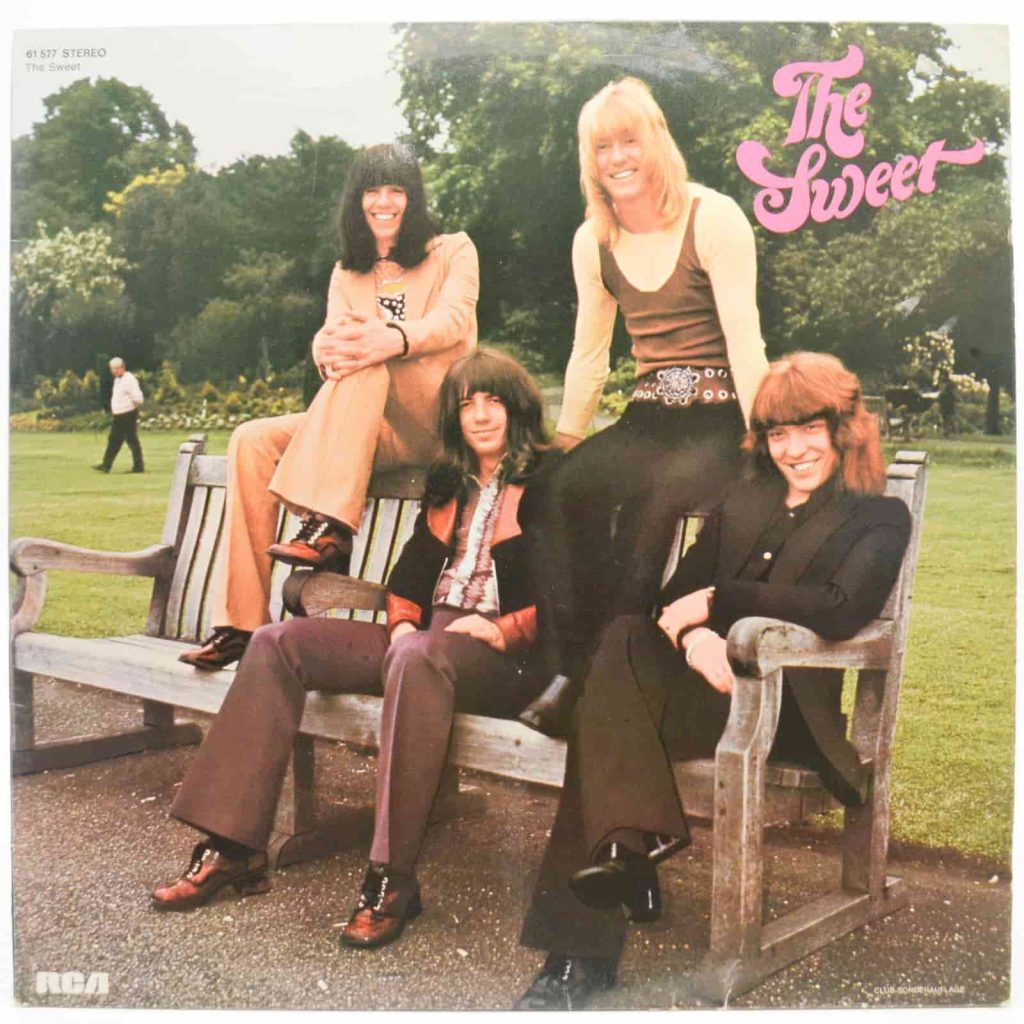
The television performance remains memorable not only because of the music, but also because of the band’s visual identity and stage charisma. Lead singer Brian Connolly stood out with his bold fashion choices and energetic stage presence, perfectly reflecting the flamboyant glam rock image that defined the early 1970s. Fans often remember how effortlessly he carried the colorful style of the era while still maintaining the attitude of a true rock frontman.
Many longtime listeners also continue to praise drummer Mick Tucker for his powerful playing and technical skill. Sweet earned admiration because all four members contributed strong vocal abilities, giving the group a richer and more dynamic sound than many of their contemporaries.
More than fifty years later, “Little Willy” still represents a joyful and unforgettable chapter in rock history. The song remains a reminder of a time when glam rock dominated television screens and Sweet stood proudly among the genre’s most entertaining performers.