
The Bittersweet Symphony of a Teenage Heartbreak Anthem
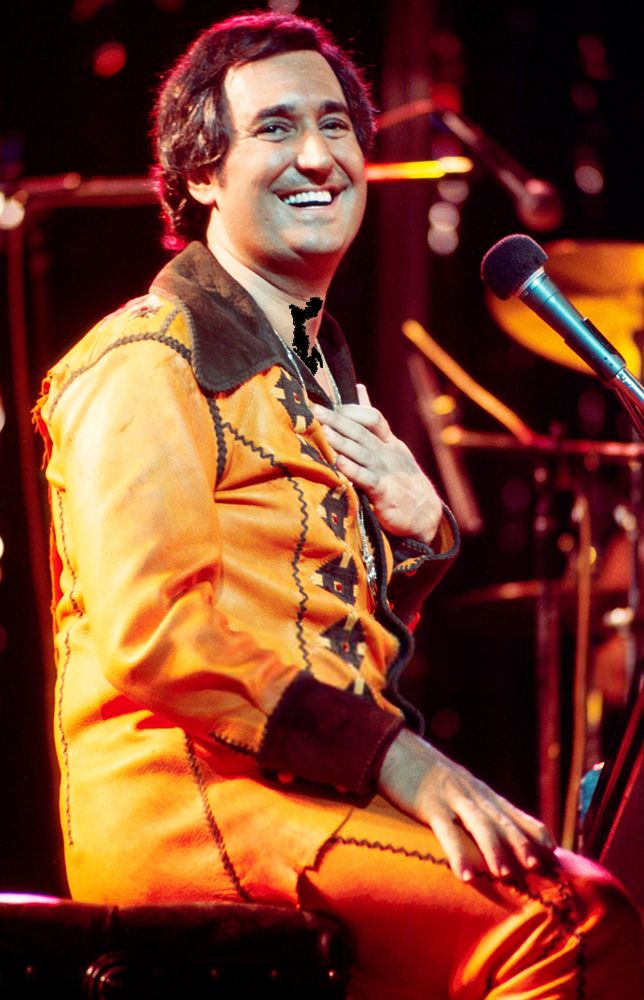
Ah, the early 1960s. A time of innocence, sock hops, and the burgeoning sound of rock and roll that was still finding its feet, yet already weaving its way into the fabric of teenage dreams and anxieties. And at the heart of many a young person’s emotional landscape was the undeniable pain of a first breakup. Enter Neil Sedaka with his timeless classic, “Breaking Up Is Hard to Do.” Released in 1962, this infectious tune didn’t just climb the charts; it soared, reaching the coveted number one spot on the Billboard Hot 100 on August 11, 1962, and holding that position for two weeks. It was a smash hit, a ubiquitous presence on radios across America, and a poignant soundtrack to countless young hearts navigating the choppy waters of romantic disillusionment.
But what was the story behind this seemingly simple, yet profoundly resonant, pop song? “Breaking Up Is Hard to Do” was co-written by Neil Sedaka and his frequent collaborator, Howard Greenfield. These two had a remarkable knack for tapping into the universal emotions of adolescence, often drawing inspiration from their own experiences and observations. The song’s genesis, like many of their hits, was rooted in a very real, very relatable scenario. It wasn’t some grand, philosophical treatise on love and loss; it was a direct, heartfelt plea from a young man begging his girlfriend not to leave him. Greenfield, known for his lyrical prowess, once recounted how the idea for the song came about quite organically, almost as a stream of consciousness, a conversation between two friends grappling with a difficult truth.
The meaning of “Breaking Up Is Hard to Do” is, on its surface, as straightforward as its title suggests: the agony of separation from someone you love. Yet, its brilliance lies in its ability to encapsulate that feeling with such disarming simplicity and infectious energy. It’s a paradox – a joyful, upbeat melody carrying the weight of a sad, pleading lyric. This juxtaposition is what makes the song so enduring. The narrator, in a desperate attempt to salvage the relationship, throws out every reason he can think of to make his beloved stay. He reminds her of the good times, the laughter, the shared dreams, all while a bouncy rhythm and a catchy melody propel the song forward. It’s the sound of someone trying to put on a brave face, trying to charm their way out of an emotional crisis, even as their heart is breaking.
Beyond its immediate chart success, “Breaking Up Is Hard to Do” became more than just a pop song; it became a cultural touchstone. It spoke to the universal human experience of vulnerability and the fear of abandonment, especially pertinent in the often-dramatic world of teenage romance. The song’s structure, with its call-and-response vocals and the memorable “doo-doo-doo-down-doo-down-down” refrain, made it instantly singable and incredibly catchy. It’s a testament to Sedaka‘s remarkable talent as a singer and songwriter that he could take such a common sentiment and craft it into something so utterly unforgettable.
It’s worth remembering that Sedaka was at the peak of his early career during this period. He had already established himself as a formidable force in pop music with hits like “Calendar Girl” and “Oh! Carol”. “Breaking Up Is Hard to Do” solidified his position as a purveyor of perfectly crafted pop gems, songs that resonated with a wide audience because they spoke to shared human experiences in an accessible and enjoyable way. This song, in particular, showcased his ability to blend heartfelt emotion with an undeniable pop sensibility, creating a piece of music that was both emotionally resonant and incredibly fun to listen to. It’s a song that, even after all these years, can still bring a smile to your face while simultaneously conjuring up those wistful memories of first loves and the inevitable growing pains that came with them. A true classic, then and now.