
When Poetry and Pain Became Music in “Tecumseh Valley”
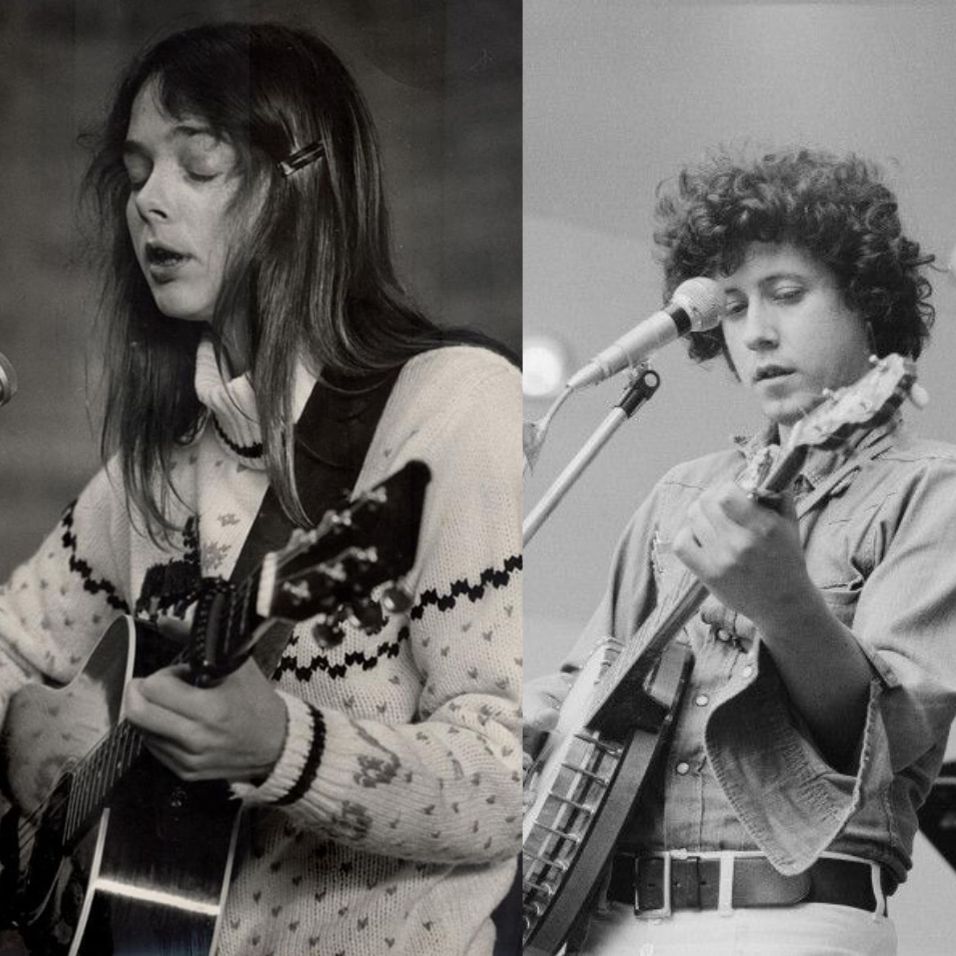
Few songs in American Folk music carry the quiet emotional weight of “Tecumseh Valley,” and the performance by Nanci Griffith alongside Arlo Guthrie stands as one of the most moving interpretations of the classic written by Townes Van Zandt.
Originally composed by Van Zandt, the song tells the tragic story of Caroline, a young woman trapped by poverty, loneliness, and desperation. Rather than relying on dramatic production, the performance allows the heartbreaking narrative to unfold naturally through restrained instrumentation and deeply emotional vocal delivery. The result is a version that feels intimate, haunting, and timeless.
Nanci Griffith’s voice brings remarkable tenderness to the song. Her delivery is fragile without losing strength, capturing both compassion and sorrow in every line. Arlo Guthrie’s presence adds warmth and authenticity, grounding the performance in the rich tradition of American Folk storytelling. Together, they approach the song with great respect for Van Zandt’s writing, never overpowering the emotional core of the piece.
One of the most unforgettable elements of the arrangement is the violin. The instrument drifts through the performance like a lingering memory, intensifying the sadness embedded within the lyrics. Its mournful tone deepens the atmosphere of loss and regret, turning an already painful story into something almost overwhelming in its emotional impact.
The power of “Tecumseh Valley” has always rested in its lyrics. Townes Van Zandt wrote with extraordinary honesty, portraying hardship and human vulnerability with poetic precision. The song does not romanticize suffering. Instead, it presents the harsh reality of forgotten lives with compassion and dignity. That emotional truth is what continues to give the composition its lasting influence decades after it was written.
Van Zandt is often remembered as one of the purest songwriting talents of his generation, a writer capable of transforming sadness into something profoundly beautiful. In this performance, Griffith and Guthrie honor that legacy with remarkable sensitivity.
“Tecumseh Valley” remains more than just a Folk song. It is a deeply human story carried by masterful songwriting, aching melodies, and a performance filled with sincerity. The combination creates a piece of music that feels less like entertainment and more like emotional testimony.