
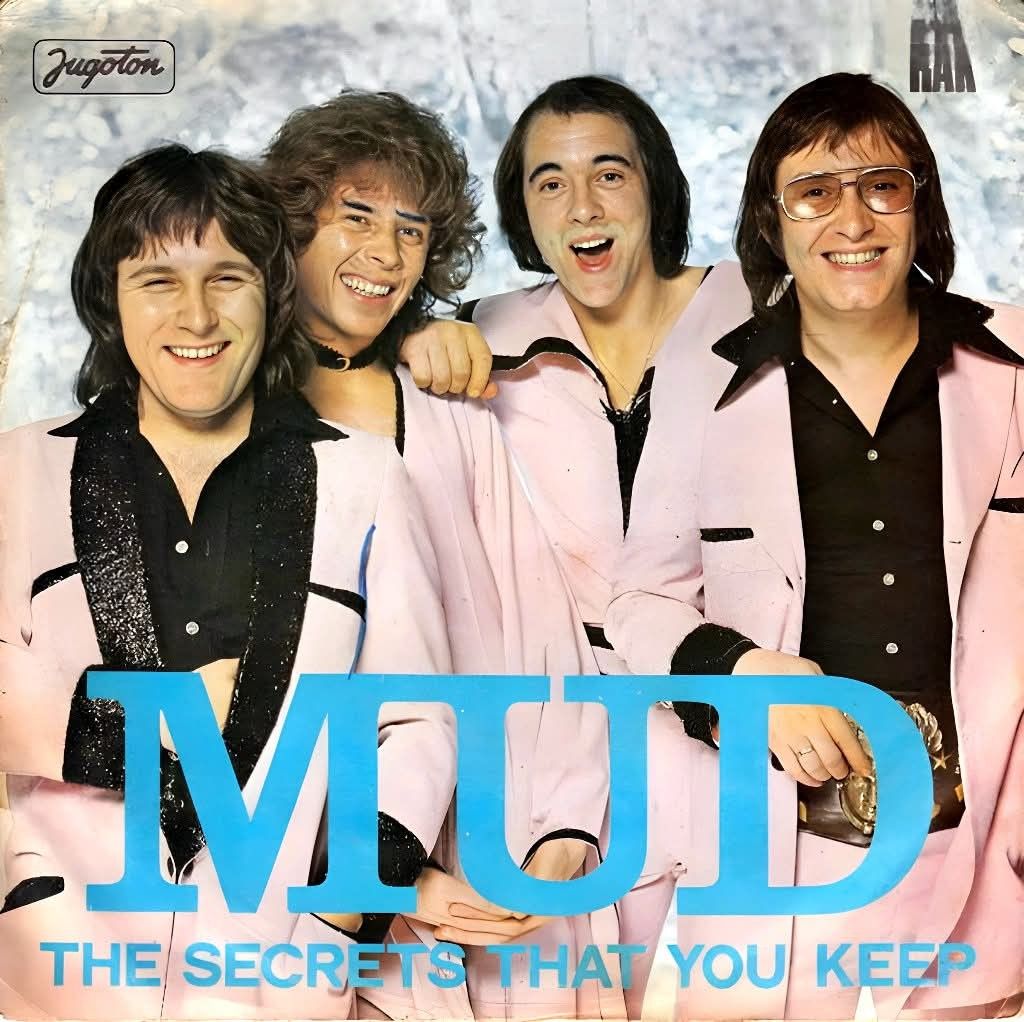
Mud and Rocket Captured the Joy of Glam Rock at Its Brightest
In the summer of 1974, British glam rock band Mud reached a remarkable level of popularity across the Netherlands. Although the group had struggled to achieve commercial success during the late 1960s, everything changed after they began recording songs written by the celebrated songwriting team of Nicky Chinn and Mike Chapman. The duo had already built an impressive reputation through their work with The Sweet and Suzi Quatro, and their collaboration with Mud proved to be equally successful.
The band’s breakthrough came with Crazy, which performed well in the United Kingdom and introduced audiences to Mud’s energetic style. Their following release, Hypnosis, was less successful in the Netherlands, but it paved the way for something much bigger. Dyna mite soon became an unexpected phenomenon. Despite being a single that had originally appeared in 1973 and taking time to gain momentum, the song climbed to the top of the Dutch charts and established Mud as one of the most talked about bands of the year.
Their growing popularity was strengthened by regular appearances on the Dutch television program Toppop. Dressed in striking bright red outfits, the four members performed synchronized dance routines that perfectly matched the playful spirit of glam rock. These colorful television performances helped turn Mud into household names throughout the country and created what many remembered as a true wave of Mudmania.
Among the songs that reflected the band’s infectious energy was Rocket. The performance, broadcast on August 3, 1974, captured the confidence and excitement that defined Mud during one of the strongest periods of their career. Like many of their recordings from that era, Rocket blended catchy melodies with a lively stage presence that made the band instantly recognizable. Their music celebrated entertainment, humor, and the simple pleasure of performing, qualities that helped glam rock become one of the defining sounds of the early 1970s.
More than fifty years later, memories of Mud continue to evoke genuine warmth and nostalgia. Many people remember an era when popular music embraced colorful fashion, lighthearted performances, and an atmosphere that encouraged fun without unnecessary seriousness. Those feelings remain closely connected to performances such as Rocket, which still serves as a reminder of a time when music offered an escape filled with optimism, rhythm, and joy.
Today, the broadcast remains an important snapshot of Mud at the height of their Dutch success. It preserves not only the sound of a memorable glam rock band but also the carefree spirit of an unforgettable musical era that continues to inspire affectionate memories decades later.