
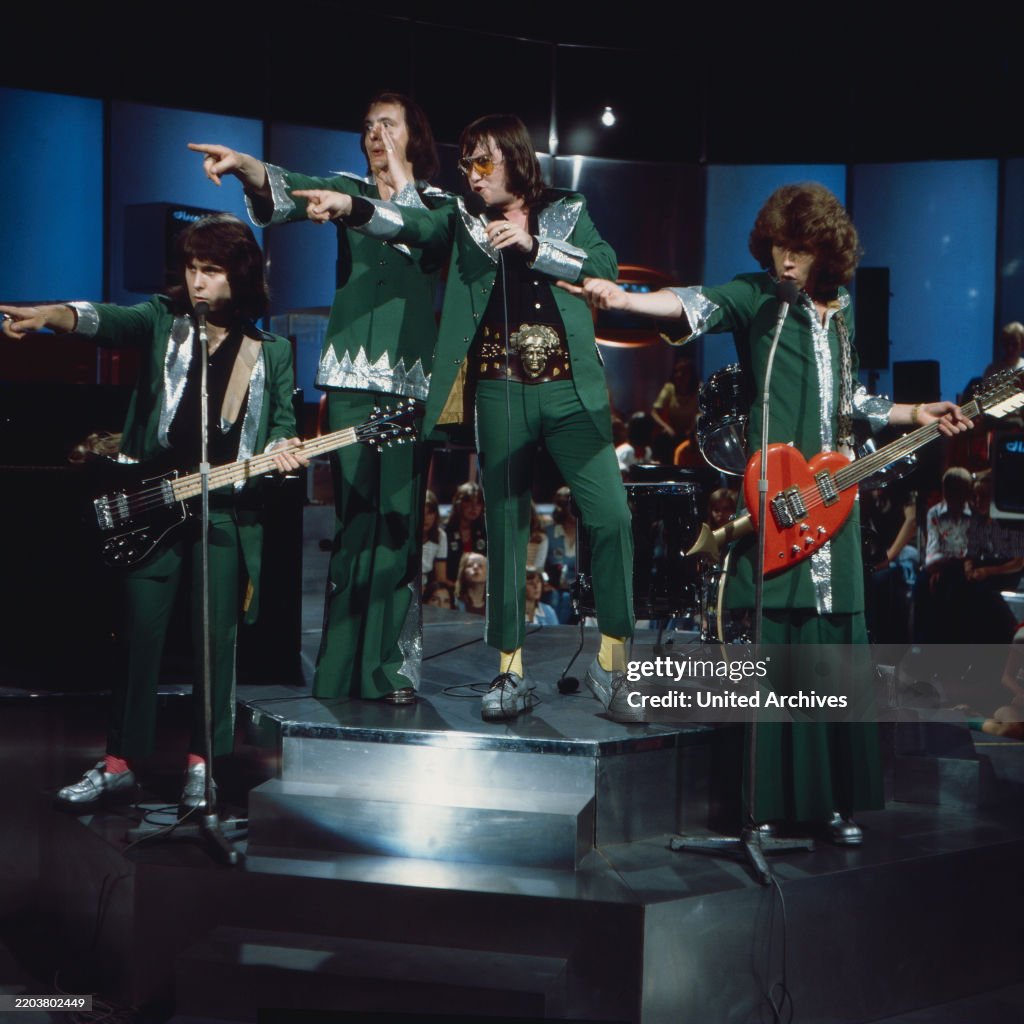
Mud Brought Rock and Roll Spirit Back to Life with a Joyful Performance of Oh Boy in London
In 1985, Mud delivered an energetic performance of Oh Boy at the Dominion Theatre in London during the production Heroes and Villains. The appearance captured the enduring charm of a band that had become one of Britain’s best loved glam rock acts during the 1970s. Even after changes in the lineup, Mud continued to celebrate the lively rock and roll style that had earned them a loyal following.
The performance featured Les Gray alongside Stuart Amesbury, Dale Fry, Cherie Beck, Tim Fish, and drummer Mark Hatwood. Together they recreated the upbeat spirit that had always been at the heart of Mud’s music. Their version of Oh Boy, originally made famous by Buddy Holly, reflected the band’s long standing appreciation for the classic rock and roll sound that inspired many British artists.
By 1985, the musical landscape had changed dramatically from the glam rock era that first brought Mud to prominence. New styles had emerged, yet the band’s stage presence remained warm, confident, and full of enthusiasm. Their appearance at the Dominion Theatre demonstrated that timeless songs performed with genuine passion could still create a memorable concert experience.
Les Gray’s unmistakable voice remained the emotional center of the performance. His relaxed confidence and natural connection with the audience highlighted why he had become one of the defining frontmen of British pop music during the previous decade. The musicians around him provided a lively and polished backing that honored both Mud’s own legacy and the enduring influence of early rock and roll.
The atmosphere surrounding the performance reflected feelings of happiness, nostalgia, and appreciation. Many remembered the excitement that Mud had brought to the charts with hits such as Tiger Feet, Lonely This Christmas, and Oh Boy. The concert became more than a simple performance. It served as a reminder of a period when glam rock filled theaters and television screens with colorful personalities, memorable melodies, and infectious energy.
Today, recordings of this 1985 appearance continue to preserve an important chapter in Mud’s history. They offer a glimpse of a band determined to keep its musical identity alive while honoring the artists who inspired its sound. Decades later, the performance still stands as a celebration of classic British entertainment, reminding music lovers that genuine enthusiasm, strong musicianship, and timeless songs never lose their ability to bring joy. It remains a valuable snapshot of Mud’s lasting contribution to British popular music and of Les Gray’s enduring place among the memorable voices of his generation.