
When Elvis Came to Christmas
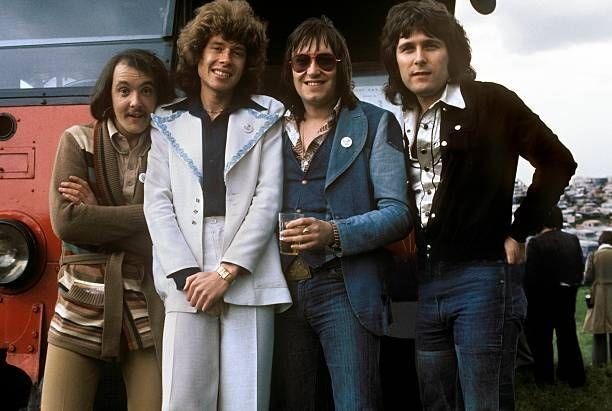
“It’ll be lonely this Christmas without you to hold. It’ll be lonely this Christmas, lonely and cold.” The words, sung with a distinct, quivering baritone, echo through the years like a ghost from a yuletide past. For many, the song “Lonely This Christmas” by the British glam rock band Mud is an annual staple of the holiday season, a bittersweet counterpoint to the more saccharine offerings of the era. Released in November 1974, it wasn’t just another Christmas single; it was a phenomenon, a nostalgic pastiche that captured the hearts of a nation. It’s a song that has been so widely associated with a certain kind of sound that people often mistake it for being an actual Elvis Presley song, and who could blame them? The vocals of frontman Les Gray are a spot-on impression of the King’s later, more melancholic style, a tribute that is both affectionate and slightly tongue-in-cheek.
The song’s success was immediate and profound. It shot to the top of the UK Singles Chart, claiming the coveted Christmas number one spot in 1974. It was a dominant force, spending four weeks at the pinnacle of the charts, carrying its reign into the new year. This was the second number one single for Mud, following their smash hit “Tiger Feet” earlier that same year, and a testament to the Midas touch of the songwriting and production duo Nicky Chinn and Mike Chapman, who were also behind hits for other glam rock luminaries like The Sweet and Suzi Quatro. “Lonely This Christmas” sold over 750,000 copies, a staggering figure that cemented its place in British pop history.
But beyond the chart numbers and the glamorous veneer of 1970s rock, lies a deeply felt, if theatrical, sadness. The lyrics tell a simple yet universally relatable story of heartbreak and solitude during a time meant for togetherness. The song paints a picture of a house that’s no longer a home, a heartbroken narrator surrounded by emptiness and an “unlit Christmas tree.” The spoken word section in the middle of the track, delivered with an almost comical level of raw emotion, adds to the song’s unique charm, making it a perfect blend of genuine pathos and glam rock’s playful theatricality.
It’s a song that resonates with anyone who has ever felt a pang of loneliness during the holidays, and its enduring popularity speaks volumes. It’s not just about the music; it’s about the memories it evokes. It transports us back to a time of platform shoes and glitter, of fuzzy television broadcasts of Top of the Pops and the comforting sounds of a familiar voice, even if it wasn’t the one we initially thought it was. It’s a song that, for all its melancholy, feels like coming home.