
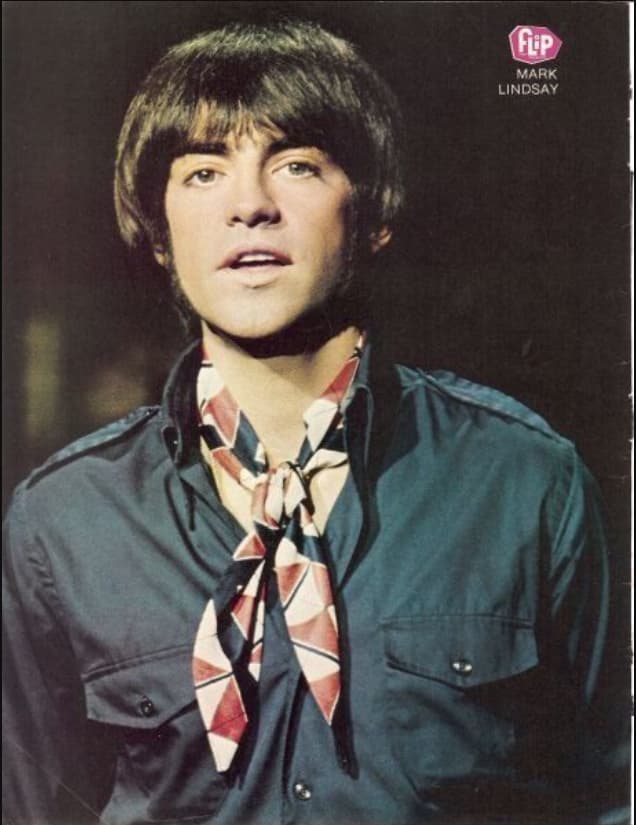
Soaring High: A Timeless Melody of Hope and Freedom
Ah, there are some songs that just take you back, aren’t there? A particular chord, a certain melody, and suddenly you’re not in your armchair anymore; you’re transported to a time when life seemed simpler, perhaps a little more vibrant, and the air hummed with possibility. Mark Lindsay’s “Silver Bird” is precisely one of those gems, a shimmering, wistful tune that, for many of us, became part of the soundtrack to the year 1970.
This wasn’t just a fleeting whisper on the wind; “Silver Bird” landed quite comfortably on the charts. Released in June 1970, it soared to number 25 on the Billboard Hot 100, a respectable showing for Lindsay’s blossoming solo career. It also performed strongly on the Adult Contemporary chart, reaching number 7, which perfectly reflects its gentler, more introspective sound compared to his earlier, wilder days. This marked Lindsay’s third significant solo hit after “Arizona” (1969) and “Miss America” (1970), further solidifying his presence outside of his famed group. The single was a testament to his enduring appeal and adaptability, moving from the raucous garage rock of his past to a softer, more melodic pop sensibility that resonated deeply with the changing musical landscape of the early ’70s.
The story behind “Silver Bird” is less about grand narrative and more about the simple, yet profound, human experience of watching someone you care about embark on a journey. Penned by the talented songwriting duo Kenny Young (who also wrote Lindsay’s prior hit, “Arizona”) and Artie Butler, the song captures the bittersweet feeling of a farewell. It’s about a man seeing his “lady” off on a plane, a “silver bird” taking her away, perhaps for a new adventure or a temporary separation. The lyrics, “Get aboard the silver bird, departing gate 19 / Satisfy your Walter Mitty mind, trying out a dream,” evoke a sense of individual aspiration and the yearning for exploration. It’s a poignant reflection on personal freedom, and the emotional tether that remains even when loved ones take flight. There’s a beautiful mix of encouragement and longing in his voice, hoping she finds what she seeks “on the other side,” while also holding onto the quiet certainty that “when you come home, my crazy heart will greet those silver wings.”
For those of us who grew up with Mark Lindsay’s voice, “Silver Bird” carries an extra layer of nostalgia. Before his solo ventures, Lindsay was the charismatic frontman for Paul Revere & the Raiders, the iconic American rock band known for their Revolutionary War-era costumes and energetic, often wild, performances. Hits like “Kicks,” “Hungry,” and “Good Thing” defined an era of vibrant, rebellious rock and roll. But as the 1960s waned and the ’70s dawned, tastes began to shift. The raw energy of garage rock gave way to more nuanced, often introspective, sounds. Mark Lindsay, ever the astute musician, seamlessly transitioned with the times, demonstrating his versatility and depth. His solo albums, including the one titled “Silverbird” (released in September 1970, peaking at #82), showcased a different facet of his artistry, one that was more mellow, more reflective, yet still undeniably Mark Lindsay.
“Silver Bird” isn’t just a song; it’s a feeling. It’s the ache in your chest as you wave goodbye, the quiet hope that fills the air when someone you love pursues their dreams, and the unwavering belief in their eventual return. It speaks to the universal experience of separation and the enduring strength of connection, even across distances. The gentle orchestration, with its lilting melodies and Lindsay’s smooth, emotive vocals, creates an atmosphere of tender longing and hopeful anticipation. It’s a sonic embrace, a reminder that even when we fly apart, some bonds remain unbroken, shimmering like those silver wings against the endless blue. For older listeners, it might evoke memories of youthful departures, of loved ones taking flight for college, for work, or simply for the grand adventure of life. It’s a soundtrack to those poignant moments of transition, a comforting melody that assures us that no matter how far the “silver bird” may fly, home, and heart, will always be waiting.