
A Lament for Lost Time and Unfulfilled Dreams
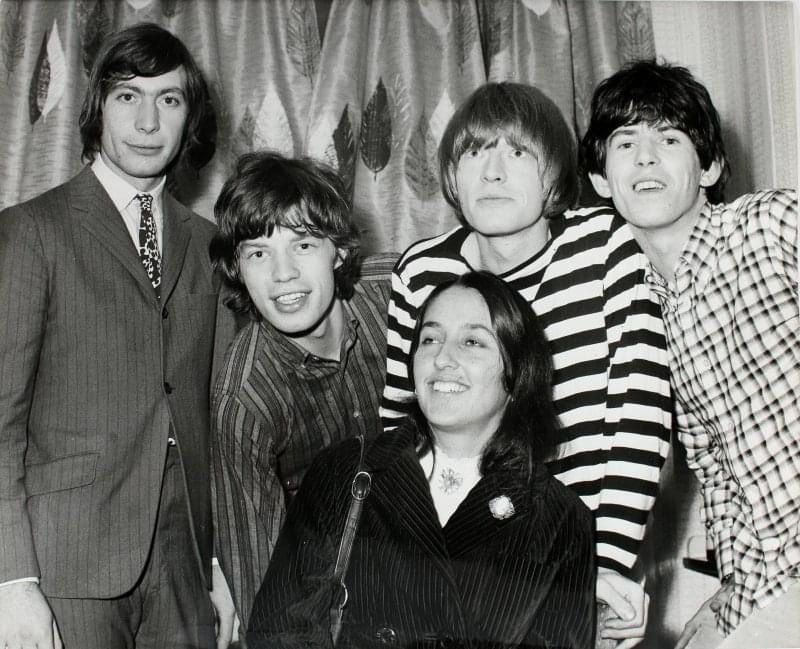
Ah, the gentle strains of “So Soon In The Morning.” It’s a title that, even all these years later, still carries the quiet weight of a sigh, doesn’t it? For those of us who came of age during the folk revival, particularly in the early to mid-1960s, this wasn’t a song you heard blaring from every AM radio. You wouldn’t find it nestled high on the Billboard charts – in fact, it didn’t chart at all in the traditional sense, unlike some of the more commercially successful folk crossover acts. Instead, it was a hidden gem, a cherished whisper shared among those who frequented coffeehouses, college campuses, and the hallowed halls of places like Club 47 in Cambridge or The Gaslight in Greenwich Village. It was a song that found its audience not through aggressive promotion, but through word of mouth, through the quiet reverence of listeners who understood the raw, unvarnished beauty of its message. The pairing of Joan Baez and Bill Wood on this particular rendition is significant. While Baez would go on to become the undisputed queen of folk, a powerful voice for peace and justice, Bill Wood was a lesser-known, yet equally talented, guitarist and singer from the New England folk scene. Their collaboration here, captured on Baez’s seminal 1961 album, “Joan Baez, Vol. 2,” feels like a moment suspended in time, a candid snapshot of two artists in perfect, understated harmony.
The story behind “So Soon In The Morning” isn’t one of grand narratives or dramatic revelations. It’s a story woven from the fabric of everyday life, of universal human experience. It’s a traditional spiritual, a lament that echoes the weariness of the soul, the yearning for solace, and the quiet plea for redemption. These spirituals, born from the crucible of hardship and faith, often carry a profound simplicity that belies their deep emotional resonance. They speak of burdens, of trials, and of the enduring hope that dawn will bring a new beginning, even as the present moment feels heavy with sorrow. The song’s meaning is deeply rooted in this tradition – it’s a song of complaint, yes, but also of quiet yearning. It speaks to the feeling of being overwhelmed by life’s difficulties, of waking to another day with a heavy heart, and the desperate desire for deliverance. “Lord, it’s so soon in the morning, and my Lord, I’m weary,” they sing, and in those few lines, they encapsulate a feeling we’ve all known – that moment when the weight of the world feels too much to bear, even at the very start of a new day. For many of us, particularly as the years stretch behind us, that weariness isn’t just physical; it’s a weariness of the spirit, a reflection on paths taken and not taken, on joys and sorrows, on the relentless passage of time.
Listening to Baez and Wood’s rendition now, one can’t help but be transported back to a simpler time, a time when music felt less manufactured and more authentic, when a voice and a guitar were enough to convey the profound truths of the human condition. Baez’s crystalline soprano, even then, possessed an otherworldly purity, capable of conveying both immense fragility and formidable strength. Wood’s guitar work provides a tender, unobtrusive accompaniment, never overshadowing, always supporting, creating a delicate tapestry of sound that perfectly complements the song’s melancholic beauty. The raw, unproduced quality of the recording on “Joan Baez, Vol. 2” only enhances its power. There’s no studio trickery here, no layers of instrumentation to distract from the core message. It’s just two voices, two instruments, and a profound emotional connection to the material. It evokes memories of quiet evenings spent with friends, of shared silences and whispered conversations, of a time when the world seemed a little less rushed and a little more open to introspection. It’s a song that invites you to sit with your feelings, to acknowledge your own weariness, and perhaps, to find a quiet strength in the shared human experience of it all. It reminds us that even in our most weary moments, there is a communal thread that connects us, a shared understanding that we are not alone in our struggles. And that, in itself, is a comfort, “so soon in the morning.”