
Brave Wolfe Lives On Through Ian and Sylvia’s Timeless Folk Storytelling
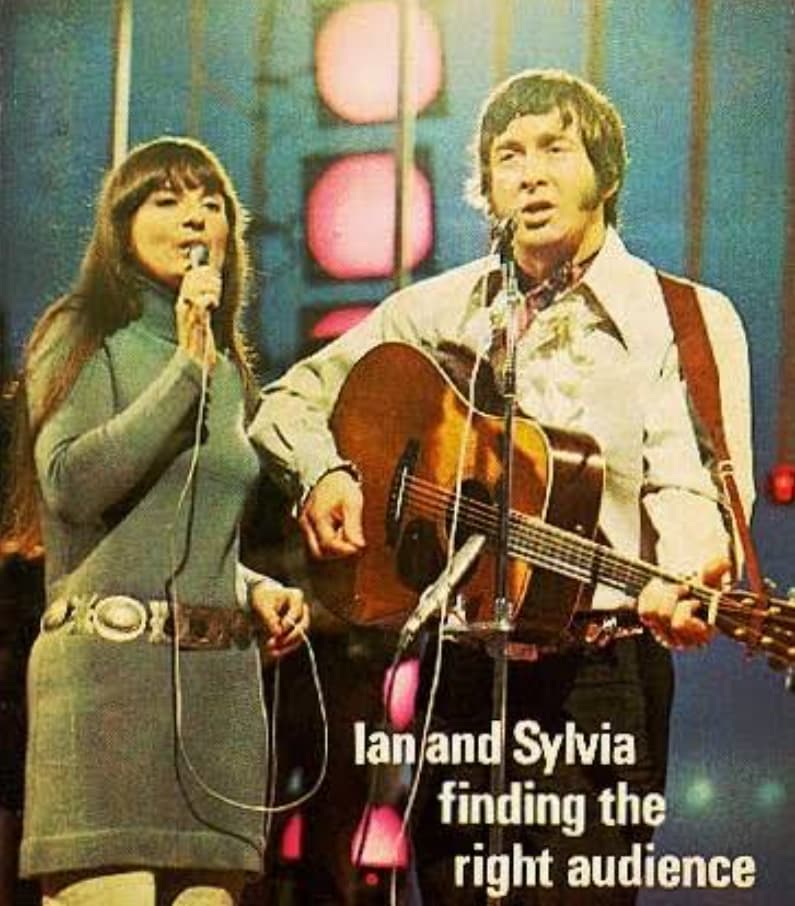
Few folk songs possess the quiet power to preserve history while stirring deep emotion. Ian and Sylvia’s recording of Brave Wolfe, featured on their 1964 Vanguard album Northern Journey, stands as one of those remarkable performances. Placed as the fifth track on the duo’s third Vanguard studio album, the song transforms a historical figure into a moving ballad that reflects courage, sacrifice, and the lasting impact of war.
The song tells the story of General James Wolfe, the British Army officer whose name became forever linked with the Battle of the Plains of Abraham in Quebec in 1759. Wolfe had already built a reputation through years of military service during the War of the Austrian Succession before the outbreak of the Seven Years’ War opened new opportunities for leadership. His successful role in the capture of the Fortress of Louisbourg eventually led to the campaign against Quebec City, one of the defining military operations of the conflict.
Following a lengthy siege, Wolfe led British forces to victory against the French army commanded by the Marquis de Montcalm. Although the triumph secured British control of Quebec, Wolfe himself was mortally wounded during the battle after being struck by three musket balls. He died at the height of his greatest military achievement, while Montcalm passed away the following day. The victory ultimately paved the way for the capture of Montreal and marked the end of French rule over the colony.
History remembers Wolfe as the Hero of Quebec and the Conqueror of Quebec, titles that reflected the significance of his role in reshaping the future of North America. His death was later immortalized in the famous painting The Death of General Wolfe, an artwork that helped establish his enduring place in British history.
Rather than presenting these events as a dry historical account, Ian and Sylvia approach the subject with remarkable restraint and sincerity. Their gentle harmonies and understated musical arrangement allow the narrative to unfold naturally, giving equal weight to both the heroism and the human cost behind the events. The performance captures the reflective spirit that has long defined the finest traditions of folk music.
For many listeners, the song has carried emotional meaning for decades. Some have cherished it for more than half a century, only later discovering the full historical story behind its lyrics. Learning the background has made the ballad even more poignant, transforming it from a beautiful melody into a powerful meditation on courage, mortality, and remembrance.
Among the eighty seven songs Ian and Sylvia recorded for Vanguard between 1962 and 1968, Brave Wolfe remains a distinctive example of their ability to blend history with heartfelt musical expression. More than sixty years after its release, it continues to stand as a respectful tribute to a defining moment in history and to the enduring power of traditional folk storytelling.