
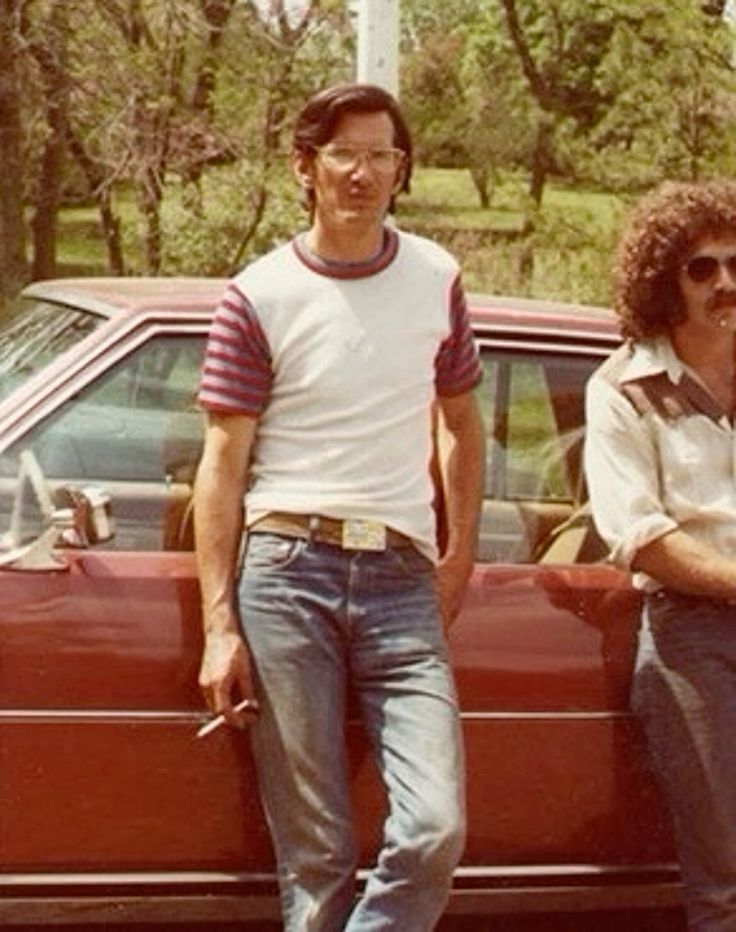
A song that sounded less like a hit record and more like a lonely confession whispered into the dark — “For The Sake of The Song” became the doorway into the fragile, poetic world of Townes Van Zandt, a songwriter whose pain often felt too honest for the commercial music industry.
When Townes Van Zandt released “For The Sake of The Song” in 1968 as the title track of his debut album, the world of country and folk music was changing rapidly. Nashville was still polished and controlled, while the folk movement was searching for writers who could speak with raw emotional truth. Somewhere between those two worlds stood Townes — quiet, restless, poetic, and deeply wounded. He was never a chart-dominating superstar in the traditional sense, and “For The Sake of The Song” did not become a major Billboard hit upon release. Yet over time, the song grew into something far more lasting than a commercial success: it became an artistic statement, almost a manifesto for Van Zandt’s entire career.
The album itself, For The Sake of The Song, was released through Poppy Records, produced by Jack Clement, one of the most respected creative figures in Nashville. Clement believed deeply in Townes’ talent and tried to present his songs in a more orchestrated, accessible way. Strings, layered arrangements, and polished production were added — something that later divided longtime fans. Many admirers of Townes eventually preferred the stripped-down live versions he performed in later years, where every crack in his voice sounded painfully real. But there is still something haunting about the original recording. It feels like a young songwriter trying to survive inside an industry that did not quite know what to do with him.
Lyrically, “For The Sake of The Song” is deceptively simple. On the surface, it speaks about misunderstanding between lovers — words that fail, emotions that cannot be properly expressed, and the loneliness created when communication breaks down. But beneath that lies something much deeper. Townes often wrote as if language itself was failing him. His songs carried the weight of someone who felt too much and trusted too little. In this song, love is not dramatic or theatrical. Instead, it is fragile, exhausted, and almost impossible to explain.
What makes the song unforgettable is the way Townes delivers lines that sound both intimate and distant at the same time. He never sang like a polished entertainer. He sang like a man trying to tell the truth before the moment disappeared forever. That emotional honesty would later influence generations of songwriters, from Steve Earle and Guy Clark to Emmylou Harris, Willie Nelson, and even alternative artists decades later.
One of the most fascinating things about Townes Van Zandt is that his legend grew larger long after his commercial opportunities faded. During his lifetime, he struggled with alcoholism, mental illness, and a deeply self-destructive lifestyle. Friends often described him as brilliant yet impossible to save from himself. But despite the chaos surrounding his life, his songwriting carried extraordinary grace. Many musicians believed he was one of the greatest lyricists America ever produced. Steve Earle once famously said, “Townes Van Zandt is the best songwriter in the whole world.” That statement may sound exaggerated to casual listeners, but for those who truly sit with songs like “For The Sake of The Song,” it suddenly becomes understandable.
There is also a sadness attached to the song because it represents a version of Townes before the years fully wore him down. You can hear youth in the recording — not innocence exactly, but possibility. He still sounded like someone reaching outward, hoping music itself might create understanding where ordinary conversation failed. Later in life, his performances became even more emotionally devastating, often slower and stripped bare, as if the songs had aged alongside him.
The title itself — “For The Sake of The Song” — remains one of the most beautiful phrases in folk music history. It suggests that sometimes people continue speaking, singing, loving, or remembering simply because the act itself matters. Not because it fixes anything. Not because it changes the ending. But because silence would hurt even more.
And perhaps that is why the song still resonates so strongly today. It belongs to a category of music that does not chase trends or youthful excitement. Instead, it sits quietly beside memory, regret, and reflection. The older the listener becomes, the more the song seems to reveal. What once sounded like melancholy eventually begins to feel like wisdom.
In the end, Townes Van Zandt never truly belonged to the charts. He belonged to late-night conversations, dusty record collections, old acoustic guitars, and those private moments when music says what life never fully could. “For The Sake of The Song” was not merely an introduction to an artist. It was the beginning of a legacy built on vulnerability, loneliness, and poetic truth — the kind of truth that never really ages