
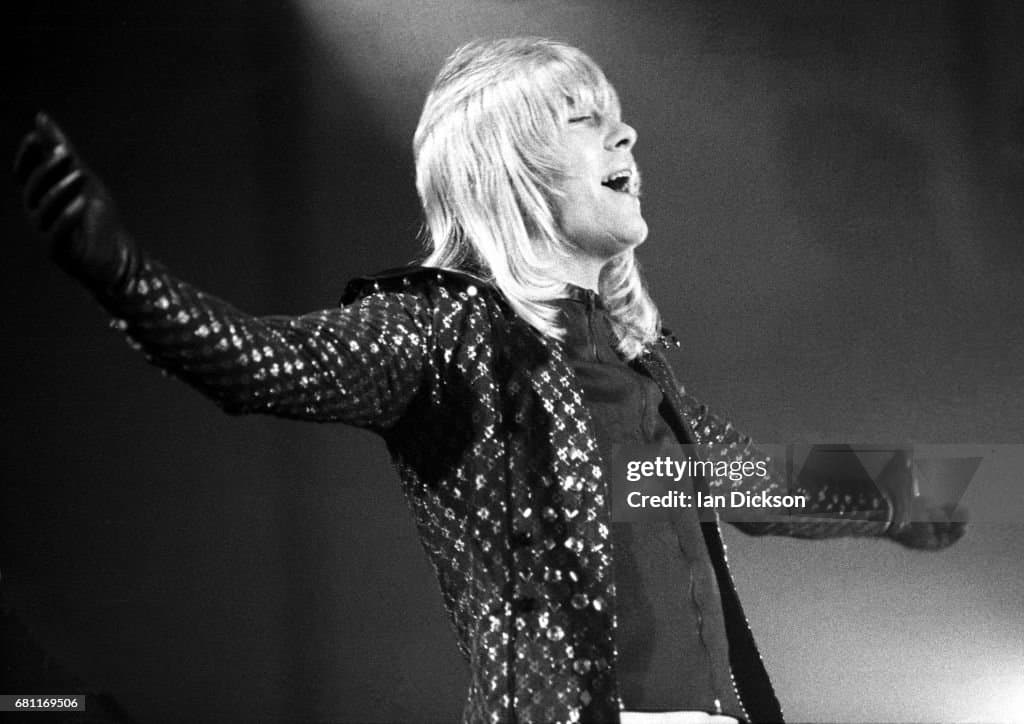
A Tender Dawn of Regret and Redemption — When Love Lingers Until Morning
Released in 1979, “Wait Till the Morning Comes” marked a poignant chapter in the solo career of Brian Connolly, the unmistakable voice behind the glitter-era British band Sweet. Although the single did not break into the major UK or US charts upon its release, its importance lies not in commercial triumph but in emotional resonance. By the time this song emerged, Connolly’s career had already been marked by dazzling heights and painful setbacks, and the record feels less like a bid for radio glory and more like a heartfelt confession set to melody.
To understand the gravity of this song, one must first recall who Brian Connolly was in the 1970s. As the lead singer of Sweet, he fronted a string of international hits including “Ballroom Blitz” (UK No. 2, US No. 5 in 1975), “Fox on the Run” (UK No. 2, US No. 5 in 1975), and “Love Is Like Oxygen” (UK No. 9, US No. 8 in 1978). His voice carried the theatrical flamboyance of glam rock, yet beneath the glitter was a singer capable of striking vulnerability. By 1979, however, Connolly had parted ways with the original lineup of Sweet following personal struggles and internal tensions within the band. The glam era was fading, and so too was the musical landscape that had once embraced him so enthusiastically.
It is in this context that “Wait Till the Morning Comes” must be heard. Rather than the stomping rhythms and glittering hooks that defined Sweet’s earlier hits, this track leans toward soft rock and adult contemporary textures. The production is restrained, almost reflective. The instrumentation allows Connolly’s voice to sit front and center, no longer masked by bombast. His vocal delivery here feels weathered — not weakened, but seasoned. There is a tremor of lived experience in every phrase.
The song’s central message revolves around patience in love — the plea to withhold final judgment until emotions cool and clarity returns with daylight. “Wait till the morning comes” is not simply a romantic appeal; it is a metaphor for maturity. The night, symbolic of impulsiveness and hurt, gives way to morning, representing understanding and forgiveness. In this sense, the song transcends its immediate narrative of lovers in conflict and becomes a meditation on reconciliation — a theme that resonates deeply with anyone who has seen relationships tested by time.
Behind the scenes, Connolly was navigating turbulent personal waters. His well-documented struggles with health and alcohol were beginning to take their toll. Listening to this song today, one cannot help but feel that it mirrors his own desire for renewal — for a new dawn in both career and life. Unlike the youthful swagger of earlier Sweet records, this track carries the quiet dignity of a man aware that stardom is fleeting but emotion endures.
Commercially, the single’s modest chart performance reflected the shifting musical tides of the late 1970s. Punk and new wave were redefining British radio, leaving little space for former glam icons seeking reinvention. Yet there is something profoundly touching about this transitional record. It is not driven by trend but by sincerity.
Over time, “Wait Till the Morning Comes” has become a gentle footnote in Connolly’s discography — overshadowed by the explosive success of Sweet, yet cherished by devoted listeners who appreciate its understated beauty. In retrospect, the song stands as a reminder that artists are more than their biggest hits. Sometimes the most revealing chapters are written after the applause fades.
When revisiting this track today, it feels like opening an old diary — pages slightly worn, but the sentiments intact. The melody lingers softly, like the first light slipping through curtains at dawn. And perhaps that is its lasting gift: a quiet assurance that even after turbulent nights, morning always arrives — bringing with it the possibility of forgiveness, renewal, and peace.