
A Sentimental Journey in Search of Lost Love
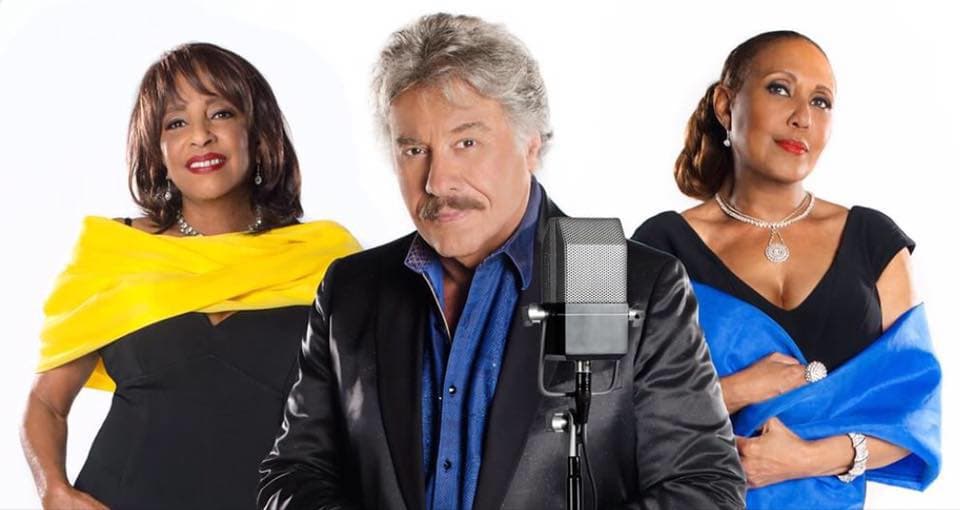
In the autumn of 1973, a song emerged that painted a vivid picture of yearning and the bittersweet ache of lost romance. “Say, Has Anybody Seen My Sweet Gypsy Rose?” by the charismatic Tony Orlando & Dawn wasn’t just a catchy melody; it was a three-and-a-half-minute narrative that resonated deeply with listeners, propelling it to the pinnacle of the Billboard Hot 100 chart on November 3rd, 1973. This chart-topping success solidified the group’s place in the pop music landscape of the era.
The story behind this memorable tune is as enchanting as the song itself. Penned by the talented songwriting duo of Irwin Levine and L. Russell Brown, the creative minds also responsible for other Tony Orlando & Dawn hits like “Knock Three Times,” “Candida,” and “Tie a Yellow Ribbon Round the Ole Oak Tree,” “Say, Has Anybody Seen My Sweet Gypsy Rose?” tells a poignant tale of a man’s desperate search for his beloved. The “Sweet Gypsy Rose” isn’t necessarily a literal Romani woman but rather a metaphor for a free-spirited and captivating love interest who has mysteriously vanished, leaving behind a void and a trail of unanswered questions.
Imagine the scene: a man, perhaps a bit world-weary, haunted by the memory of a woman who swept into his life like a vibrant whirlwind. Her laughter echoed like wind chimes, her eyes held the mystery of distant lands, and her presence illuminated his world. But like a fleeting dream, she disappeared without a trace, leaving him to wander through familiar haunts, his heart heavy with longing. The lyrics beautifully capture this sense of loss and the desperate hope that someone, somewhere, might have caught a glimpse of his elusive love.
The song unfolds with a gentle, almost conversational tone, as Tony Orlando’s warm vocals convey the protagonist’s earnest plea. The harmonies of Dawn add a layer of ethereal beauty, underscoring the almost mythical quality of the “Gypsy Rose.” The arrangement, with its subtle orchestration and driving rhythm, perfectly complements the narrative, creating a soundscape that is both melancholic and hopeful. You can almost picture him walking down rain-slicked streets, the neon signs reflecting in his searching eyes, each corner turned with a mixture of anticipation and dread.
Beyond the immediate narrative, the song touches upon universal themes of love, loss, and the enduring power of memory. It speaks to the experience of having someone special enter your life and leave an indelible mark, even if their time with you was fleeting. The “Gypsy Rose” could represent a summer romance, a chance encounter that blossomed briefly, or any relationship that, for reasons unknown, slipped through one’s fingers. The question posed in the title becomes a universal yearning for connection and the hope of rediscovering a lost piece of oneself.
The success of “Say, Has Anybody Seen My Sweet Gypsy Rose?” further cemented Tony Orlando & Dawn’s status as hitmakers. Their ability to blend catchy melodies with relatable storytelling resonated with a broad audience, making them a staple on radio airwaves and a fixture in popular culture. The song remains a beloved classic, evoking a sense of nostalgia for a time when pop music often told heartfelt stories set to unforgettable tunes. It reminds us of the bittersweet nature of love and the enduring hope that even lost connections might one day be rekindled. It’s a song that whispers of longing and the enduring human desire to find what we’ve lost, a sentiment that resonates just as strongly today as it did over half a century ago.