
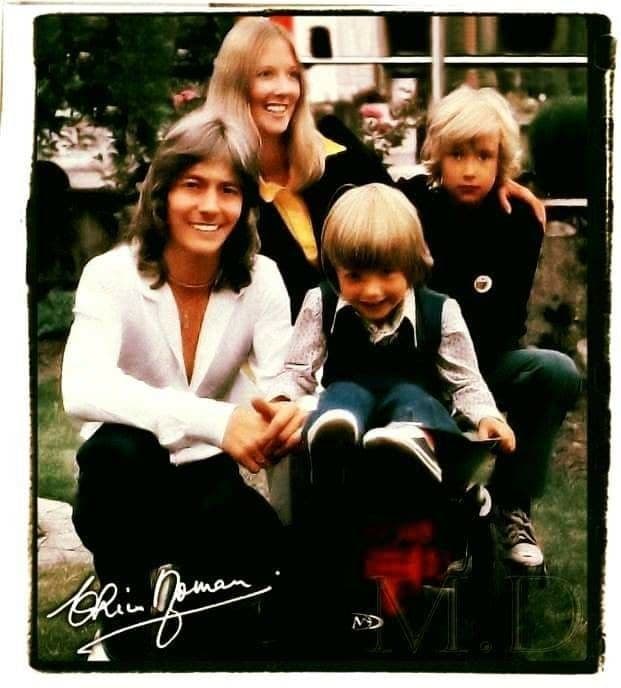
When people think of Chris Norman, they often picture a voice wrapped in warmth—husky, emotional, and perfectly suited to the melodic softness of pop and easy rock. But imagine a different path: one where that same voice was sharpened by distortion, driven by roaring guitars, and unleashed on the stages of hard rock. The transformation would not simply be musical—it would redefine his entire image, legacy, and place in rock history.
In a hard rock scenario, Chris Norman’s vocal identity would likely shift from tender storytelling to raw intensity. His naturally raspy tone, already one of his defining traits, could have evolved into something closer to a gritty, aggressive edge. Instead of expressing longing and nostalgia, his voice might have conveyed rebellion, urgency, and power. Listeners would associate him less with romantic ballads and more with electrifying anthems built for stadium crowds.
Visually, his image would undergo a dramatic evolution. The soft, approachable figure known for melodic hits might be replaced by a more rugged, rebellious persona. Leather jackets, darker aesthetics, and a stronger stage presence would likely define his public image. Rather than appearing as the “relatable” voice next door, he might have embodied the archetype of a classic rock frontman—commanding, unpredictable, and larger than life.
This shift would also influence the type of audience he attracted. Instead of appealing primarily to fans of pop and soft rock, he would draw in listeners from the hard rock and possibly even early metal scenes. His concerts would be louder, more energetic, and perhaps less intimate. The emotional connection with fans would still exist, but it would be expressed through adrenaline and shared intensity rather than quiet reflection.
However, this alternate path might come with trade-offs. One of Chris Norman’s greatest strengths lies in his ability to deliver sincerity and vulnerability. In a hard rock context, these qualities could be overshadowed by the genre’s emphasis on power and spectacle. While he might gain a reputation as a dynamic performer, he could risk losing some of the emotional nuance that made his original style so distinctive.
Commercially, the results would be uncertain. Hard rock has always been a competitive and evolving genre. While his voice could certainly stand out, success would depend on timing, band chemistry, and the ability to adapt to changing trends. He might achieve cult status among rock enthusiasts, but perhaps at the expense of the broader, cross-generational appeal he enjoys in a softer musical landscape.
Ultimately, imagining Chris Norman as a hard rock artist reveals how deeply genre shapes identity. The same voice, placed in a different musical environment, could tell entirely different stories. Instead of being remembered primarily for warmth and melody, he might be celebrated for power and edge. Yet in either reality, one thing would remain constant: a distinctive voice capable of leaving a lasting impression—whether carried by gentle harmonies or driven by the thunder of amplified guitars.