
Echoes in the Tract Home: A Critique of the American Dream in Three Minutes
For those of us who came of age amidst the swirling, often confusing changes of the late 1960s, few songs capture the subtle, creeping malaise beneath the veneer of American prosperity quite like The Monkees’ 1967 hit, “Pleasant Valley Sunday.” More than just a piece of upbeat pop, this song—released at a pivotal moment in the band’s tumultuous history—is a surprisingly sharp piece of social commentary, a biting look at the quiet conformity and consumerism taking root in suburban America. It is a cynical, yet utterly catchy, postcard from “status symbol land.”
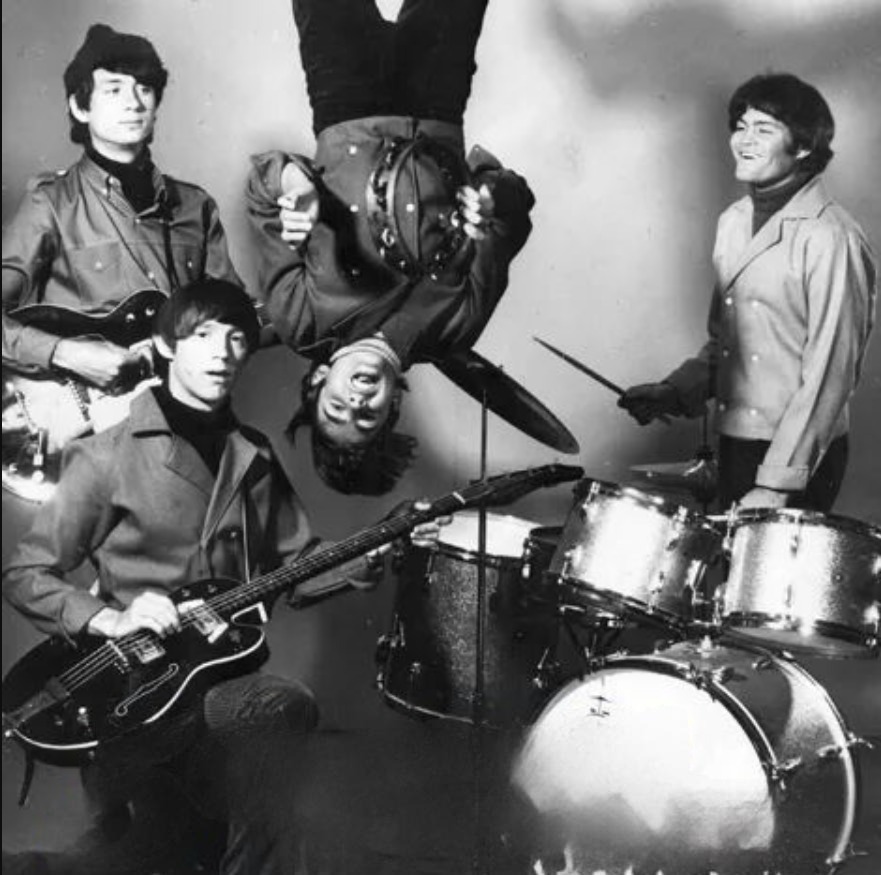
The track, which quickly ascended to Number 3 on the Billboard Hot 100 chart upon its release in July 1967, was the fourth major hit for Micky Dolenz, Davy Jones, Michael Nesmith, and Peter Tork, and is an essential cut from their third album, “Pisces, Aquarius, Capricorn & Jones Ltd.” What makes its success and content particularly noteworthy is its timing. “Pleasant Valley Sunday” was the first Monkees A-side single recorded after the manufactured band successfully rebelled against their original musical supervisor, Don Kirshner, seizing the creative control they had long craved. They famously fought to be a real band, and this song is one of the clearest examples of the intelligent, high-quality material they chose to record once they were steering the ship—a far cry from the purely commercial material they were accused of performing previously.
The story behind the song is a classic Brill Building tale of art imitating life. The song was penned by the legendary songwriting duo Gerry Goffin and Carole King. The couple had, by the mid-sixties, made a successful move from the bustling life of New York City to the quiet, tree-lined streets of the New Jersey suburbs, specifically West Orange, where they lived near a road called Pleasant Valley Way. While it was a move meant to provide a better environment to raise their children, Goffin quickly found the homogenous, materialistic nature of suburban life deeply dissatisfying. His lyrical observations—from “Rows of houses that are all the same” to the neighbors “keeping up with the Joneses”—are drawn directly from his experience, channeling that boredom and discomfort into a masterful piece of songwriting that perfectly encapsulated the era’s hidden anxieties.
The song’s meaning is an astute, two-and-a-half-minute diagnosis of the suburban condition. It details a typical Sunday afternoon, painting a picture of contentment that, on closer inspection, feels utterly hollow. The “weekend squire” mowing his lawn, Mrs. Gray proud of her roses, and Mr. Green content with a “TV in every room” all serve as status symbols, creating an atmosphere where genuine meaning is replaced by consumer goods. The most poignant line for many of us who remember that time is the chorus, where the singer laments, “Creature comfort goals / They only numb my soul / And make it hard for me to see / Another pleasant valley Sunday / Here in status symbol land.” It’s an intellectual lament, a plea for something more authentic than the charcoal smoke and manicured lawns, delivered with a vibrant, almost psychedelic rock arrangement.
Musically, the song is a masterpiece of its kind, largely thanks to producer Chip Douglas. It features a distinctive, hypnotic guitar riff—often cited as being inspired by The Beatles’ “I Want to Tell You”—that immediately sets a slightly off-kilter, driving tone. Micky Dolenz and Michael Nesmith share the lead vocals in unison, lending a collective, slightly detached voice to the suburban critique. The track famously culminates in a stunning, almost psychedelic sonic freak-out ending, perfectly matching the lyrical descent into numbed desperation. When the single was re-introduced to a new generation in 1986, it was the title of an MTV Monkees marathon—“Pleasant Valley Sunday”—that launched a massive Monkees reunion and proved the song’s timeless cultural resonance, underscoring just how deeply this commentary on the American landscape had settled into the collective memory. It remains, arguably, one of the most intelligent and important songs The Monkees ever recorded.