
That Spark of Hope: The Timeless Cry for a Little Bit of Happiness
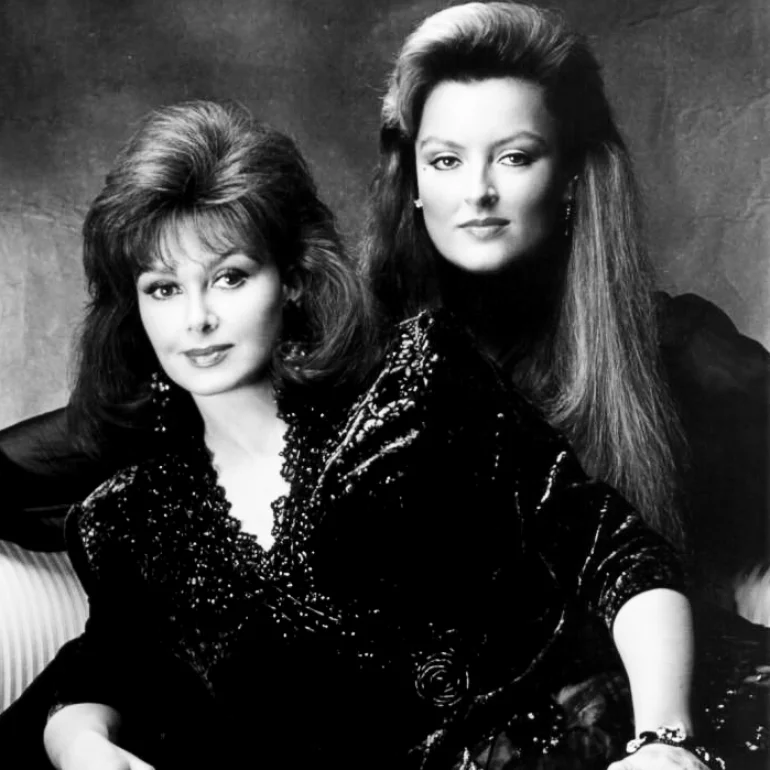
Oh, how the years just fly by, don’t they? It seems like only yesterday the sweet, revolutionary sound of The Judds arrived, a breath of fresh air that swept through the country music landscape in the early 1980s. When “Why Not Me” hit the airwaves in September 1984, it wasn’t just another single; it was a defining moment. This was the title track and the first proper single from their debut full-length studio album, also called Why Not Me, released in October 1984. Following their first number-one hit, “Mama He’s Crazy,” this song quickly proved their staying power, soaring to the Number 1 spot on the Billboard Hot Country Songs chart, where it spent two weeks, cementing their status as country music’s most promising new duo. The album itself mirrored this success, peaking at Number 1 on the Billboard Top Country Albums chart and ultimately earning a double-platinum certification—a colossal achievement for any act, let alone a mother-daughter duo.
The magic of “Why Not Me”—penned by the formidable songwriting team of Harlan Howard, Sonny Throckmorton, and producer Brent Maher—lies in its profound relatability and understated elegance. It’s an intimate, hopeful plea set against the backdrop of a traditional acoustic sound, one that consciously steered clear of the slick, synthetic “Urban Cowboy” sounds of the time. This neotraditional approach was a hallmark of The Judds‘ early work, relying instead on the pure, soaring vocal harmony of Naomi and Wynonna Judd and the strength of the lyric and melody.
The song’s meaning is universal, yet deeply personal: it’s the quiet, yearning voice of an “ordinary” person looking out at a world full of big romance and glamorous love stories, and simply asking, “Why can’t a beautiful love like that happen to someone like me, too?” It’s an ode to the underdog, a sweet, assertive anthem for the “girl next door” who dreams of simple, enduring love right in her own hometown.
As Naomi Judd herself recalled, the song—with its mid-tempo groove and strong melodic hook—was written to reflect both her own dreams and Wynonna’s grounded, powerful personality. The question, “Baby, why not me?” isn’t a demand; it’s a hopeful inquiry, a moment of courage when you gather the nerve to believe you deserve happiness as much as anyone else. For many of us who remember the mid-’80s, living through our own quiet struggles and big dreams, that song was a small permission slip to hold onto hope.
The recording sessions, primarily at the Creative Workshop in Nashville, focused on a sparse, clean production style, which producer Brent Maher intentionally used to “leave the room for the listener’s imagination.” This minimal arrangement allowed Wynonna’s powerful, mature lead vocal and the duo’s signature, tight harmonies to take center stage. The result was a sound that critics immediately hailed as a “bona fide classic,” drawing favorable comparisons not to their contemporaries, but to the timelessness of early ’60s classic country—Patsy Cline’s era.
When we hear the opening notes of “Why Not Me” today, it’s impossible not to be transported back in time. It’s a nostalgic reflection on an era where country music, guided by the authentic voices of The Judds, was finding its way back to its roots, bringing along a legion of new fans with its compelling mix of traditional sound and modern swagger. This song didn’t just win a Grammy Award for Best Country Performance by a Duo or Group with Vocal; it won a place in the hearts of a generation, reminding us that sometimes the sweetest and most enduring dreams are the simple ones, and there’s no reason why they shouldn’t come true for you.