
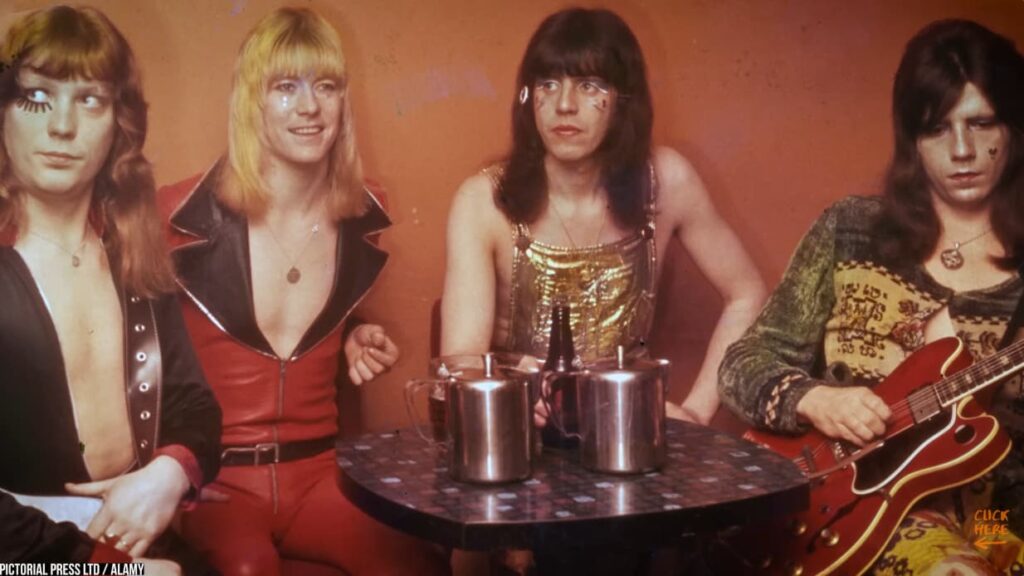
Sweet: The Glam Rock Giants Whose Success Was Shadowed by Tragedy
Few bands captured the spirit of British glam rock in the 1970s as completely as Sweet. With unforgettable hits such as Ballroom Blitz, Fox on the Run, and Love Is Like Oxygen, the group became one of the defining acts of an era filled with glitter, theatrical performances, and chart dominating singles. Yet behind the success stood a story marked by struggle, heartbreak, and unrealized potential.
Formed in London during the late 1960s, the band originally performed under the name Sweetshop before becoming The Sweet and later simply Sweet. The classic lineup featured vocalist Brian Connolly, bassist Steve Priest, drummer Mick Tucker, and guitarist Andy Scott, who joined in 1970 and helped strengthen the band’s musical direction.
Sweet’s rise began after signing with RCA Records in 1971. Early hits such as Funny Funny, Co Co, Little Willy, and Blockbuster turned the group into one of the biggest names in British pop music. However, much of their early success came from songs written by the celebrated songwriting team of Nicky Chinn and Mike Chapman. During this period, Sweet often found themselves caught between commercial expectations and their own desire to be recognized as serious rock musicians.
That tension became a defining theme of their career. While record executives favored radio friendly pop singles, the band increasingly wanted creative control and a heavier sound. By the mid 1970s, Sweet began writing and recording more of their own material. The breakthrough came with Fox on the Run, a major international hit that demonstrated their growing independence and artistic confidence.
Despite selling millions of records and performing hundreds of concerts, financial rewards often failed to match their commercial success. Relentless touring schedules and industry pressures added to the strain. As the decade progressed, personal struggles began taking a heavy toll.
Brian Connolly’s battle with alcohol addiction became increasingly severe. A violent assault outside a pub resulted in serious throat injuries that damaged his singing voice and altered the course of his career. His health continued to decline, and after leaving Sweet in 1979, he faced years of addiction, medical complications, and financial hardship before his death in 1997.
Further tragedy followed. Mick Tucker died from leukemia in 2002 after suffering serious health problems. Steve Priest passed away in 2020. Andy Scott remains the sole surviving member of the classic lineup and continues to perform Sweet’s music despite his own health challenges.
Sweet never achieved the enduring cultural status of acts such as David Bowie or Queen. Nevertheless, their influence remains undeniable. Their blend of glam rock spectacle, powerful melodies, and hard rock energy helped shape later generations of musicians, including many of the bands that would define the hair metal movement of the 1980s.
Today, Sweet’s legacy lives on through songs that continue to resonate across stadiums, radio stations, and popular culture. Their story stands as a reminder that behind some of rock music’s brightest successes can lie profound personal challenges and lasting tragedy.