
Solidarity Forever Lives On Through Pete Seeger’s Enduring Voice of Unity
Few songs in American folk music have carried the enduring weight of hope, resilience, and collective purpose quite like Solidarity Forever. Performed by the legendary Pete Seeger, the song has remained one of the most recognizable labor anthems in the United States for generations. Long after its earliest performances, Seeger’s heartfelt rendition continues to remind listeners of the power that ordinary working people can find when they stand together.
Originally written in 1915 by Ralph Chaplin for the Industrial Workers of the World, Solidarity Forever borrowed its melody from The Battle Hymn of the Republic while introducing lyrics that celebrated dignity, fairness, and the shared strength of workers. Pete Seeger, whose career became inseparable from the American folk revival and movements for social justice, helped preserve the song for new audiences throughout the twentieth century. His performances were never simply musical events. They reflected his lifelong belief that music could unite people across differences and inspire peaceful change.
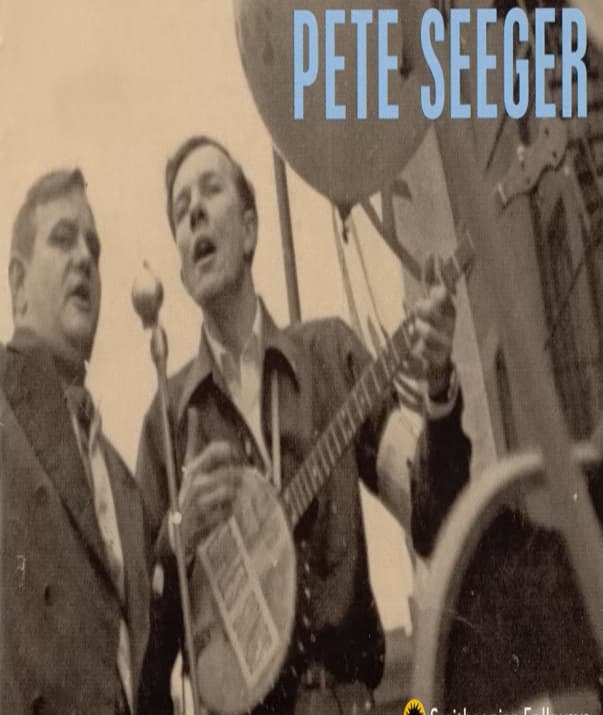
Seeger possessed a remarkable ability to transform simple folk songs into powerful expressions of common humanity. Accompanied by his banjo and unmistakable voice, he presented Solidarity Forever with sincerity rather than spectacle. His interpretation emphasized community over individual recognition, allowing the message of the song to remain at the center of every performance. That approach helped the song become a lasting symbol of labor history while also speaking to broader themes of compassion, equality, and mutual support.
The emotional response inspired by the performance continues to reflect admiration for Seeger’s unwavering commitment to the values he championed throughout his life. Many describe feelings of inspiration, gratitude, and deep respect as they revisit this classic recording. Others recognize the song as a reminder of difficult struggles that shaped the rights and protections enjoyed by countless workers today. The performance also evokes a sense of nostalgia for an era when folk music frequently served as a voice for ordinary people seeking justice through peaceful collective action.
Pete Seeger spent decades using music to support civil rights, environmental causes, and the labor movement without abandoning the simplicity that defined his artistry. His influence extended far beyond the stage, inspiring generations of musicians and activists who viewed songs as bridges between people rather than barriers. Solidarity Forever remains one of the clearest examples of that philosophy, carrying a message that has outlived changing political climates and cultural trends.
Today, Pete Seeger’s rendition continues to stand as an important chapter in the history of American folk music. More than a labor anthem, it represents enduring faith in cooperation, shared purpose, and the belief that meaningful progress is achieved when people work together. Decades after it first echoed through union halls and public gatherings, Solidarity Forever remains a timeless reminder that unity has always been one of humanity’s greatest strengths.