
Teenage Heartbreak, Pop Production: The Bobby Goldsboro Ballad Reimagined for the 70s Teen Idol
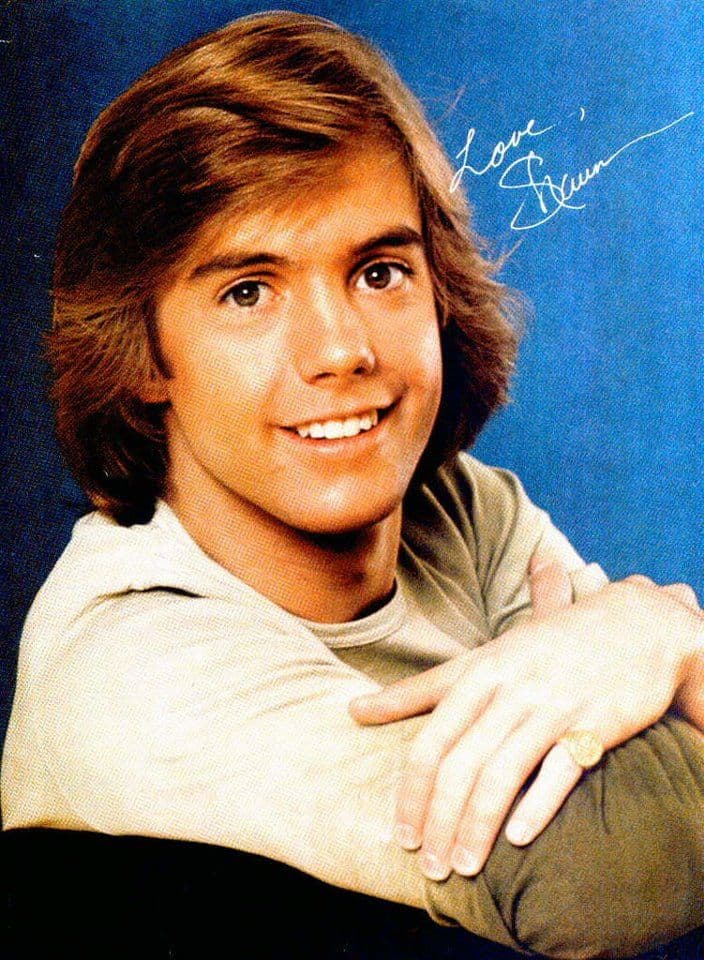
For those of us who came of age during the peak of the teen idol phenomenon in the late 1970s, the name Shaun Cassidy is synonymous with posters, Tiger Beat magazine, and a brand of polished pop-rock that dominated AM radio. The appeal was undeniable: the son of Hollywood royalty, blessed with golden-boy looks and a sound crafted for easy listening. Amidst his early, massively successful run of cover songs, one finds a surprising, deeper cut on his 1977 debut album, Shaun Cassidy: his rendition of Bobby Goldsboro’s “It’s Too Late.”
This track was a moment of soft reflection amidst the album’s bubblegum fervor. While Shaun Cassidy was riding a tidal wave of popularity driven by his chart-topping cover of “Da Doo Ron Ron” (which hit Number 1 on the Billboard Hot 100 in 1977) and the subsequent success of Eric Carmen’s “That’s Rock ‘n’ Roll” (peaking at Number 3), “It’s Too Late” was not released as a major single and therefore did not receive its own commercial chart position at the time. It functioned instead as an album track, providing depth and a change of pace from the upbeat, three-chord rock.
The story behind the song is rooted in the early 1960s, a time when ballads carried a heavier, more dramatic emotional weight. The song, originally written and recorded by Bobby Goldsboro in 1961, speaks of the regret and finality of a break-up, a moment when one realizes the opportunity for reconciliation has passed. However, in Shaun Cassidy’s hands, under the polished production of Michael Lloyd, the song is carefully adapted for the burgeoning teen market.
The meaning of the song takes on a different hue when sung by a nineteen-year-old teen idol. Instead of the weary resignation of an adult relationship dissolving, Cassidy’s version is steeped in the drama of teenage heartbreak. The full orchestration and earnest vocal delivery transform the mature lament into an urgent, painful cry of first loss. It allowed the legions of young fans, often experiencing their own first crushes and breakups, to project their intense, fleeting emotions onto their idol. The cover demonstrates Cassidy’s strategy of weaving nostalgic oldies (like “Da Doo Ron Ron” and later The Lovin’ Spoonful’s “Do You Believe in Magic?”) into his records to provide familiar anchors for the older parents buying the albums, while keeping the production fresh enough for their children.
For those of us who remember those days of the late 70s, this track offers a nostalgic look back not just at a teen idol’s rise, but at the clever, if commercially calculated, decisions that fueled the pop music machine. It’s a beautifully constructed piece of pop packaging—a dramatic ballad given a glossy, teenage makeover—and a fascinating footnote in the career of a star who would later pivot away from pop to become a successful television writer and producer.