
An invitation to mend a heart and discover a truer love.
A Tender Ballad from a Teen Idol’s Heyday
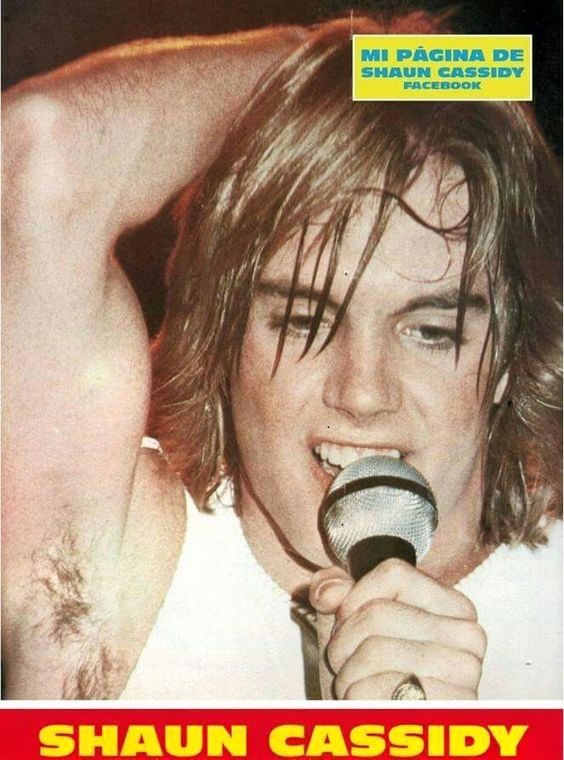
Ah, the 1970s. A time of feathered hair, bell bottoms, and the irresistible charm of the teen idol. Few shone brighter in that firmament than Shaun Cassidy, the younger half-brother of David Cassidy, who quickly emerged from the shadow of his sibling to carve out his own slice of pop history. His self-titled debut album, Shaun Cassidy, released in the U.S. in June 1977, was a juggernaut, propelled by the massive success of singles like “That’s Rock ‘n’ Roll” and the chart-topping “Da Doo Ron Ron.” Amidst these high-energy tracks and classic covers, there lay a tender, reflective gem: his rendition of “Hey There Lonely Girl.”
While not released as a single in the U.S., it was a significant track on the album, an important part of the fabric of that iconic record. Its original lineage is rich, initially a Top 30 hit as “Hey There Lonely Boy” for Ruby & the Romantics in 1963, and later a massive crossover success, reaching Number 2 on the U.S. Billboard Hot 100 for Eddie Holman in 1970. Shaun Cassidy’s version, however, found its own significant audience, becoming a notable hit down under, reaching Number 5 in Australia in 1977, a testament to his international appeal.
The Story and Meaning: A Heart-on-Sleeve Plea
The song, penned by Leon Carr and Earl Shuman, is a timeless narrative of unrequited affection and hopeful waiting. It tells the story of a “lonely boy”—or “lonely girl” in Holman’s and Cassidy’s versions—who observes a heartbroken individual from afar. In Cassidy’s reading, the singer is pleading with a girl whose heart has been recently shattered by a previous lover. He sees her pain—“Ever since he broke your heart, you seem so lost each time you pass my way”—and offers himself as a gentle, devoted remedy. It’s an open-hearted, sincere proposition: a promise to repair the damage and demonstrate a deeper, more lasting love. The song is less about a whirlwind romance and more about the quiet, earnest desire to bring comfort and healing.
This cover choice was a shrewd move by Cassidy and producer Michael Lloyd. It allowed Shaun to showcase a different, more mature side of his artistry, moving beyond the pure bubblegum pop of his biggest hits. His delivery is vulnerable, his voice smooth and earnest, perfectly capturing the song’s melancholic yet optimistic core. For many older listeners today, this track evokes the feeling of those tentative, high-stakes moments of youth—seeing someone you adore in pain and gathering the courage to step forward, knowing you have the genuine care they need, even if they can’t see past their current sorrow.
The simple, sweeping orchestration and Cassidy’s heartfelt vocal performance turned this classic into a signature piece for his era. It’s a beautifully constructed piece of pop music that transcends the teen idol label, a testament to enduring themes of empathy and the quiet hope that waits for love to arrive on its own gentle schedule. Listening to it now, it’s not just a song; it’s a doorway back to a simpler time when a hopeful melody and a sincere lyric could mend a teenage heart.