
A Timeless Fiesta of Rhythm and Heritage: Ritchie Valens’s “La Bamba” – A Celebration of Roots and Rock ‘n’ Roll Spirit
Ah, “La Bamba”, a name that instantly conjures images of vibrant energy, swirling skirts, and the infectious joy that only a truly special song can deliver. Released in the late summer of 1958, this electrifying adaptation of a traditional Mexican folk song by the young and immensely talented Ritchie Valens quickly ascended the Billboard charts, peaking at number 22. In a musical landscape dominated by crooners and early rock and roll pioneers, “La Bamba” stood out as a unique and exhilarating force, a testament to the power of cultural heritage infused with youthful rockabilly exuberance.
The story behind “La Bamba” is as captivating as its rhythm. Ritchie Valens, born Richard Steven Valenzuela, was a burgeoning rock and roll star whose career, tragically cut short, left an indelible mark on music history. Growing up in a vibrant Latino community in Southern California, Ritchie was deeply connected to his Mexican roots. His manager, Bob Keane, recognized the raw talent and charismatic stage presence of this young artist and encouraged him to explore his cultural heritage in his music. While Ritchie was making waves with his rock and roll ballads like “Donna”, Keane had the inspired idea to record a rock-infused version of a traditional Mexican wedding song, “La Bamba”.
Now, the original “La Bamba” was a far cry from the rollicking rendition we know and love. It was a folk tune, often played at weddings, with playful and sometimes suggestive lyrics that varied from region to region and performance to performance. The core of the song, however, lay in its infectious rhythm and celebratory spirit, often accompanied by lively dancing. Ritchie Valens, with his youthful energy and rock and roll sensibility, transformed this traditional melody into a groundbreaking rock and roll anthem. He retained the iconic rhythmic structure and the famous repeated line, “Para bailar la bamba,” but injected it with a driving electric guitar riff, a solid backbeat, and his own vibrant vocal delivery.
The meaning of the original folk song, “La Bamba”, is often linked to the dance itself, a lively and graceful zapateado where dancers, often a bride and groom, would tie ribbons together with their feet, symbolizing their union. The lyrics, as mentioned, were often improvisational and could include playful banter or well wishes. Ritchie Valens’s version, while retaining the celebratory feel, transcended the specific wedding context. His rendition became a broader expression of cultural pride and the joy of music and dance. It was a moment of cultural crossover, bringing a taste of Mexican musical tradition to a wider American audience at a time when such representation in mainstream music was rare.
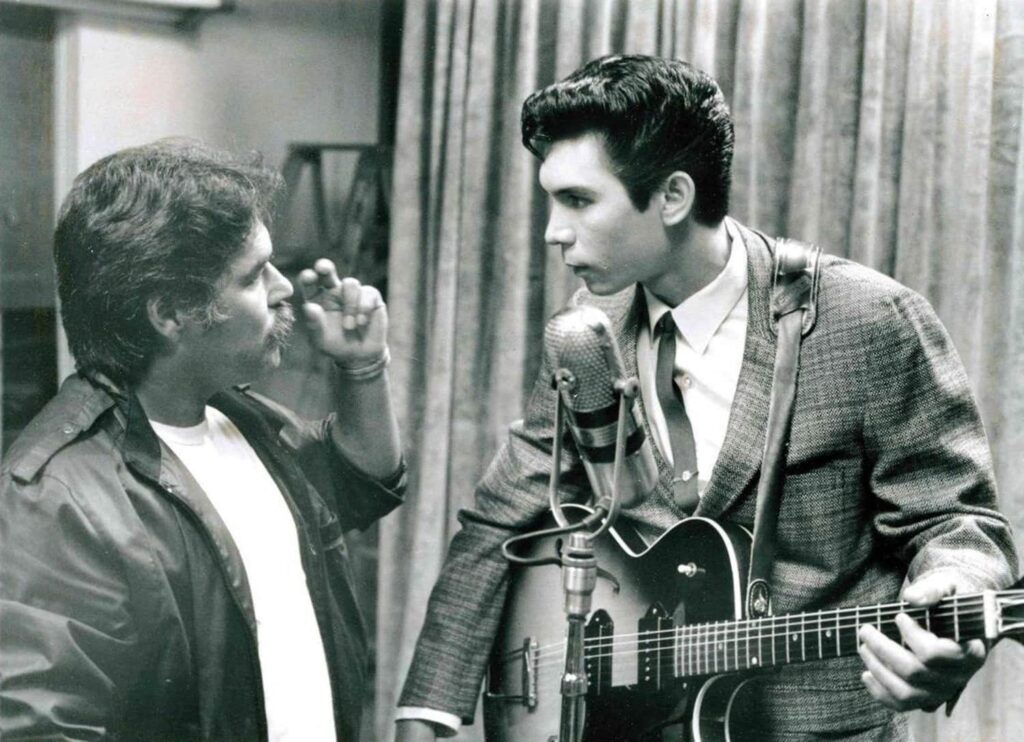
“La Bamba” wasn’t just a hit song; it was a cultural milestone. It introduced many non-Latino listeners to the richness and vibrancy of Mexican music. The song’s infectious energy made it a staple at parties and dances, its simple yet irresistible rhythm inviting everyone to join in the fun. Even today, decades after its release, “La Bamba” remains a timeless classic, instantly recognizable and guaranteed to get toes tapping. It stands as a testament to the enduring power of music to bridge cultural divides and to the lasting legacy of Ritchie Valens, a young star whose bright flame was extinguished far too soon, but whose music continues to resonate with generations. His bold reimagining of “La Bamba” ensured that this joyful melody would not only endure but would rock its way into the hearts of people around the world. The song’s inclusion in the 1987 biopic La Bamba, which chronicled Ritchie Valens’s life and career, further cemented its iconic status and introduced it to a new generation, ensuring its vibrant rhythm would continue to echo through the years.