
When Life’s Grand Performance Becomes a Quiet, Poignant Bow
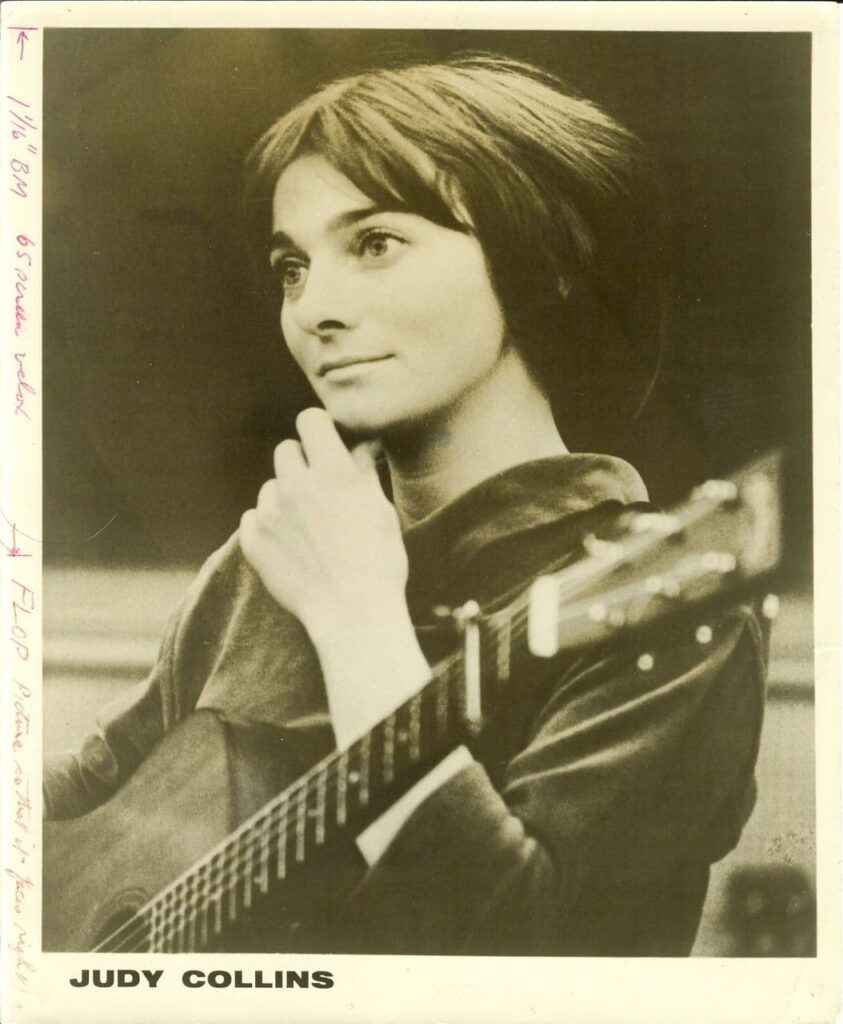
Ah, Judy Collins. Just the name itself evokes a certain timeless elegance, doesn’t it? A voice like a clear mountain spring, carrying whispers of folk, hints of the classical, and an undeniable ability to pierce straight through to the heart of a song. And then there’s “Send In The Clowns,” a piece that, for many of us, arrived not with a bang, but with a gentle, insistent resonance that grew louder with each passing year. It wasn’t a chart-topper in the way the pop hits of the day were, yet its presence was undeniable. When Judy Collins released her rendition in 1975, it found its home on her critically acclaimed album, “Judith.” While the single itself didn’t climb to the very pinnacle of the Billboard Hot 100, it secured a respectable and enduring position on the Easy Listening charts, peaking at #8. This demonstrated its immediate connection with an audience yearning for depth and introspection amidst the more effervescent sounds of the era. Its true success, however, wasn’t measured in fleeting chart positions but in the indelible mark it left on countless souls.
The story behind “Send In The Clowns” is as captivating as the song itself, a testament to the genius of its creator, the legendary Stephen Sondheim. It emerged from his 1973 musical, “A Little Night Music,” a work inspired by Ingmar Bergman’s film Smiles of a Summer Night. In the musical, the song is sung by the character Desirée Armfeldt, a middle-aged actress, during a moment of profound realization and regret. She’s confronting a long-lost love, Frederik Egerman, and the bitter irony of their missed opportunities, their lives having taken divergent paths despite an undeniable, lingering affection. The “clowns” in the title aren’t literal circus performers; rather, they symbolize the follies, the absurdities, and the missteps of life that lead to moments of profound awkwardness, missed connections, and the painful realization that you’ve arrived at a point where the joke is, in fact, on you. It’s that moment when you desperately need a distraction, a way to break the tension, to alleviate the sting of reality.
For us, the listeners who have navigated a few more seasons than the youth of today, “Send In The Clowns” resonates with a particularly potent melancholy. It speaks to the quiet ache of hindsight, the understanding that life is rarely a perfectly choreographed dance. How many times have we looked back and seen the clear path we should have taken, the words we should have said, the chances we should have seized? The meaning of the song deepens with age, transforming from a simple lament into a profound meditation on the passage of time, the bittersweet nature of human relationships, and the often-unseen struggles that lie beneath a seemingly composed exterior.
Think of those long evenings, perhaps a glass of something warm in hand, the fire crackling softly, and Judy Collins’ voice filling the room. Each note, each carefully articulated word, seems to unlock a memory. Perhaps it’s the memory of a love that slipped through your fingers, a friendship that drifted apart, or a dream that, for reasons now hazy, was never fully realized. It’s not a song that wallows in self-pity, but one that acknowledges the universal experience of “almost,” of the path not taken. The beauty lies in its quiet resignation, a mature acceptance of life’s imperfections and the occasional comedic turns that mask deeper heartache. It’s a song that understands that sometimes, all you can do is shake your head, offer a wry smile, and hope someone sends in the clowns to lighten the load, even if just for a moment. Its enduring power lies in this shared vulnerability, a poignant reminder that we are all, in our own ways, performers on life’s grand stage, occasionally fumbling our lines and missing our cues, yearning for a moment of levity amidst the profound drama.