
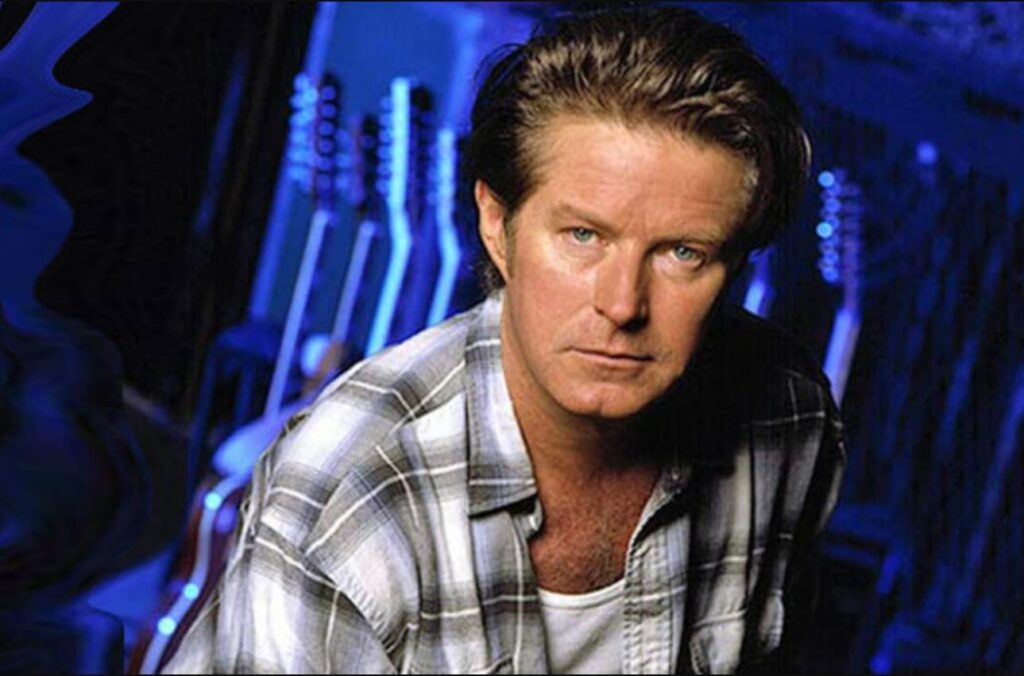
Echoes of Long Hot Nights: Revisiting Don Henley’s Timeless Ode to Lost Youth
Ah, “The Boys Of Summer”, a poignant reflection on faded love and the relentless march of time, painted against a backdrop of sun-drenched memories. When this evocative track emerged from Don Henley in the autumn of 1984, it swiftly resonated with a generation navigating the complexities of adulthood while still holding onto the ghosts of youthful summers past. Indeed, it climbed the Billboard Hot 100 chart with impressive speed, peaking at number five and becoming one of the defining songs of that year. It was a sonic snapshot of a particular moment, yet its themes of nostalgia and the bittersweet ache of what’s gone continue to resonate deeply even now.
The genesis of this enduring classic is as intriguing as the song itself. Henley, having firmly established himself as a solo artist after his monumental work with the Eagles, was looking to explore new sonic territories. He collaborated with Mike Campbell, the guitarist from Tom Petty and the Heartbreakers, who initially presented Henley with the instrumental demo. Henley, captivated by the melancholic yet driving melody, penned the lyrics that would transform it into the introspective anthem we know today. Interestingly, the song almost took a different path entirely, as Campbell had also offered the music to Tom Petty, who ultimately passed on it. One can only imagine how different the musical landscape might be had that decision gone the other way, but fate, it seems, had other plans for “The Boys Of Summer.”
Lyrically, the song is a masterclass in evoking a sense of yearning and the inevitable passage of time. Henley paints vivid pictures of youthful romance, the kind that blossoms in the heat of summer, fueled by passion and a sense of limitless possibility. Lines like “A cigarette that bears a lipstick trace,” and “A girl with summer in her eyes” are instantly evocative, conjuring images of fleeting moments and intense emotions. However, beneath the surface of these sun-kissed memories lies a palpable sense of loss. The recurring motif of the “deadhead sticker on a Cadillac” serves as a potent symbol of how even the most vibrant symbols of youth and rebellion eventually fade and become relics of a bygone era. It’s a subtle yet powerful reminder that time spares no one, and the carefree days of summer eventually give way to the responsibilities and realities of adulthood.
The brilliance of “The Boys Of Summer” lies in its ability to tap into a universal human experience: the bittersweet ache of nostalgia. It speaks to that part of us that remembers a time when life felt simpler, when love was perhaps more intense, and when the future stretched out before us, seemingly infinite. Henley’s delivery, tinged with a world-weariness that only time can bestow, perfectly complements the lyrical content. His voice carries the weight of experience, lending an authenticity to the reflections on lost innocence and the acceptance of change.
The music itself is equally crucial to the song’s enduring appeal. The driving beat, coupled with the shimmering guitar work and the atmospheric synthesizers, creates a soundscape that is both nostalgic and contemporary. It’s a perfect blend of rock sensibility and a more polished, adult-oriented sound that was becoming increasingly popular in the mid-1980s. The production, by Greg Ladanyi, is crisp and clear, allowing every nuance of the instrumentation and Henley’s vocals to shine through.
Beyond its chart success, “The Boys Of Summer” garnered significant critical acclaim, further solidifying Don Henley’s position as a formidable solo artist. The accompanying music video, directed by Jean-Baptiste Mondino, was also highly influential, utilizing stark black and white imagery and symbolic visuals to enhance the song’s themes of memory and the passage of time. It won several MTV Video Music Awards, including Video of the Year, further cementing the song’s cultural impact.
Even decades later, “The Boys Of Summer” remains a staple on radio airwaves and continues to resonate with audiences of all ages. For those of us who remember its initial release, it serves as a powerful trigger for memories of a specific time, a specific feeling. It reminds us of the ephemeral nature of youth and the importance of cherishing those fleeting moments. It’s a song that understands the bittersweet beauty of looking back, acknowledging the changes that time has wrought, while still holding onto the echoes of those long, hot nights. It’s more than just a song; it’s a feeling, a memory, a shared experience that continues to bind generations through the universal language of music. The album it appeared on, Building the Perfect Beast, further showcased Henley’s evolving artistry and cemented his status as a significant voice in American music.