
A ballad that perfectly captures the ethereal nature of eternal love.
In the mid-1970s, as the world was navigating the lingering echoes of the psychedelic era and the burgeoning sounds of disco, a new voice emerged from Greece, rich and resonant, carrying with it a profound sense of timelessness. That voice belonged to Demis Roussos, and the song that would forever cement his place in the hearts of millions was “Forever and Ever.” Released in 1973 as the title track of his second studio album, “Forever and Ever” quickly became a global phenomenon.
The song’s success was not just a fleeting moment of pop culture; it was a testament to its universal appeal. The album Forever and Ever topped international album charts in countries like Germany, the Netherlands, and Norway, reaching a peak position of number two in Austria and the UK. The sheer reach of this melody was astonishing, traveling across continents and connecting with listeners on a deeply emotional level.
The story of the song is woven into the very fabric of its sound. Co-written by Stélios Vlavianós and Alec R. Costandinos, “Forever and Ever” is more than just a simple love song. It’s a ballad that speaks to a love so pure and profound it transcends the earthly realm. The lyrics, “Ever and ever, forever and ever, you’ll be the one / That shines in me like the morning sun,” are not just words; they are an incantation, a promise whispered from the soul. The song’s meaning is one of deep, abiding devotion, where the beloved is not merely a partner but a source of light, a beacon of hope, and an essential part of one’s very existence. It evokes a feeling of being in a state of grace, where love is a symphony and a dream come true. For many of us who grew up with this song, it became a soundtrack to our youthful hopes and dreams of finding a love that would last forever.
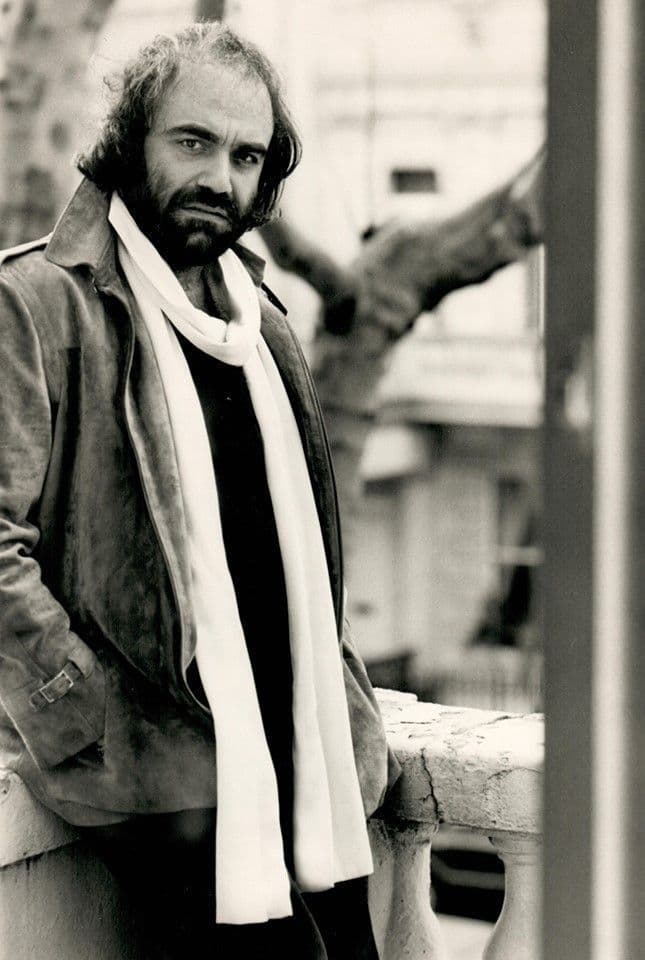
Demis Roussos’s voice, with its unique blend of operatic training and pop sensibility, was the perfect vessel for this sentiment. His high, almost ethereal tone, coupled with the lush orchestral arrangement, gave the song a dreamlike quality. You can almost see the misty, sun-drenched Greek landscapes as his voice soars, carrying you away on a wave of emotion. It wasn’t just his voice, though; it was his persona—the flowing caftans, the full beard—that made him an icon of the 1970s. He was a figure who seemed to belong to a different time, a troubadour from a forgotten era, and his music reflected that.
Listening to “Forever and Ever” today is a walk down memory lane, a moment to reflect on a time when music felt more honest, more heartfelt. It reminds us of slow dances at school halls, of first loves and the naive belief that some things truly do last forever. The song is a beautiful piece of nostalgia, a reminder of a simpler time, and a testament to the enduring power of a well-written melody and a truly captivating voice. It’s a song that proves that some feelings, and some songs, are, in fact, meant to be cherished forever and ever.