
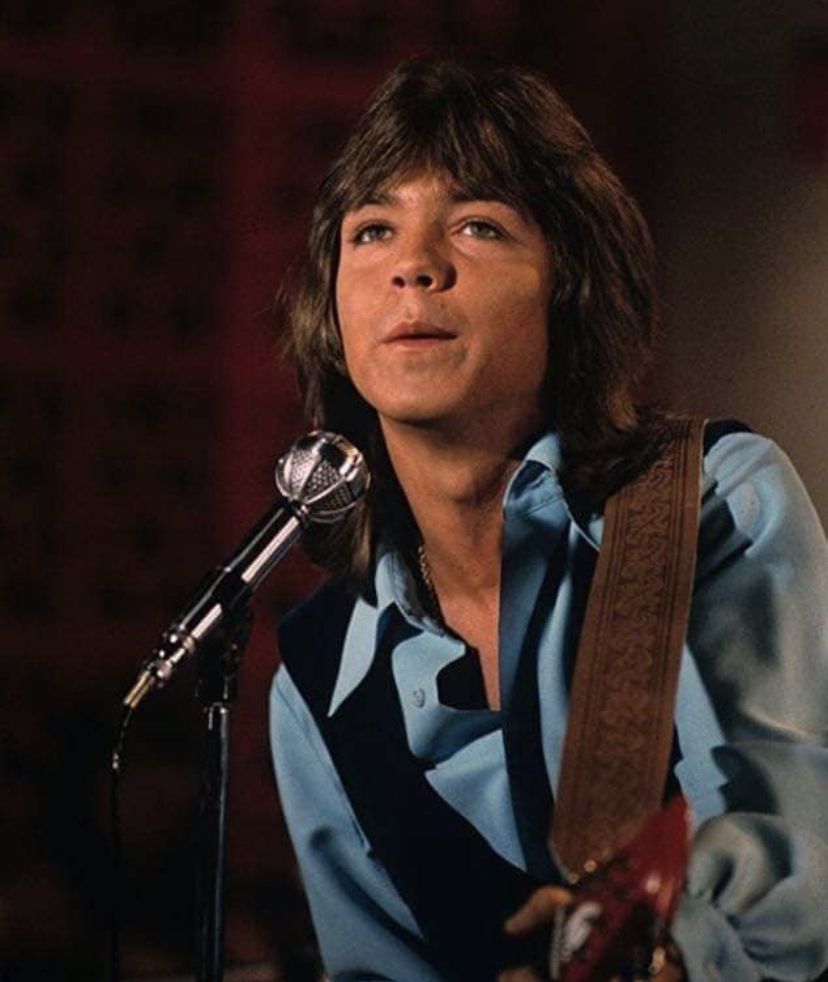
David Cassidy’s Timeless London Performance Continues to Earn the Recognition It Deserves
The remastered live performance of “How Can I Be Sure” by David Cassidy in London stands today as a powerful reminder of why he became one of the defining music icons of the 1970s. Decades after the height of his fame, the performance continues to reveal the depth of his artistry, stage presence, and emotional connection to music.
Originally released as a solo single in 1972, “How Can I Be Sure” became a massive success in the United Kingdom, reaching Number One for two weeks and becoming one of Cassidy’s eleven UK chart hits. Six of those singles reached the Top Ten, including the double A side “Daydreamer” and “The Puppy Song,” which also topped the charts. The song additionally found success internationally, charting in Australia, Canada, Germany, and the Netherlands.
The London performance captures Cassidy during a period when his popularity had reached extraordinary levels. At the time, he was recognized as the world’s highest paid live entertainer. His official fan club reportedly became the largest in pop music history, surpassing even those of Elvis Presley and The Beatles. His first Number One single sold millions of copies, while his live concerts regularly filled major venues. He also broke The Rolling Stones’ record for consecutive performances at Wembley.
What makes this particular performance so meaningful is the way Cassidy commands the stage with natural confidence and precision. His interaction with the band feels effortless, while his vocal delivery carries both control and genuine emotion. Every movement reflects the professionalism of an artist completely immersed in the music. Rather than relying solely on teen idol popularity, the performance highlights a musician capable of delivering sophisticated and heartfelt live vocals.
The remastered footage also reinforces how timeless Cassidy’s style remains. The elegance of the arrangement, the sincerity in his voice, and the atmosphere of the performance continue to resonate many years later. Feelings of admiration, nostalgia, and renewed appreciation often surround discussions of the performance, especially as more attention is given to Cassidy’s abilities as a serious live entertainer rather than simply a pop phenomenon.
In many ways, “How Can I Be Sure” now stands not only as a successful hit song, but also as lasting evidence that David Cassidy possessed a level of talent and stage mastery that deserved far greater artistic recognition throughout his career.