
Don’t Pay the Ferryman — a haunting voyage through myth and the crossroads of life
There are songs that echo in your mind with melody alone, and then there are songs like “Don’t Pay the Ferryman” by Chris de Burgh — tunes that tap into something deeper, almost primal, in your memory and imagination. From the very first ominous chime of its opening, this song feels like a story being told around a fire long after sunset, one that speaks to caution, fate, and the mysterious crossroads we all must face.
Released in September 1982 as the lead single from Chris de Burgh’s album The Getaway, “Don’t Pay the Ferryman” became an unexpected beacon in his repertoire. It wasn’t just another melodic pop rocker; it was a vivid narrative wrapped in moody instrumentation and lyrical mystique. The song entered the UK singles chart later that autumn, peaking at number 48, and in the United States it climbed to number 34 on the Billboard Hot 100, while in Australia it became a significant hit, reaching the Top 5 and lingering in the charts for many weeks.
But these figures barely scratch the surface of why this song has remained alive in the hearts of listeners for decades — especially those who lived through its first wave of radio play and MTV rotation.
At its core, “Don’t Pay the Ferryman” is a tale steeped in imagery drawn from myth and metaphor. The “ferryman” in the title evokes the ancient figure of Charon from Greek mythology — the hooded guide who carried souls across the River Styx into the afterlife, demanding his fare before granting passage. In de Burgh’s song, the narrator recounts a journey toward a shadowy river, a storm approaching, voices warning from the dark, and the hooded boatman at the rudder urging payment before arrival. Yet the song’s refrain — “Don’t pay the ferryman, don’t even fix a price, until he gets you to the other side” — is a refrain of hesitation, of caution, of survival rather than surrender.
For listeners who encountered this song in the 1980s, it was unlike so much else on the airwaves at the time. Where many hits were sunshine pop and synth grooves, de Burgh crafted something that blended rock energy with storytelling almost literary in its ambition. The music itself — driven by a restless tempo, surging keyboards, and a pulse that feels like approaching thunder — evokes urgency and the unpredictable forces of life’s journey.
The meaning at the heart of the song resonates with a generation familiar not just with pop hooks, but with life’s greater lessons. It’s a metaphor of patience and perseverance: the idea that in the course of life’s travels — whether literal or figurative — you should not surrender too early to fear, demand, or temptation. To “pay the ferryman” too soon is to risk losing your path before you have truly reached your destination. In that sense, the song’s warning becomes a kind of philosophical reflection — a call to endure, to trust in one’s own journey, and to face the unknown with resolve rather than haste.
In the decades since its release, “Don’t Pay the Ferryman” has taken on a life of its own. For many who were young adults when it first came out, the song became more than just a single — it became part of the soundtrack of nights spent driving with friends, listening on late-night radio, and pondering life’s more unfathomable questions. The image of crossing a river at dusk, the eerie voices whispering from beyond, and the stern admonition not to yield until reaching the other shore — these are moments that imprint themselves on the memory.
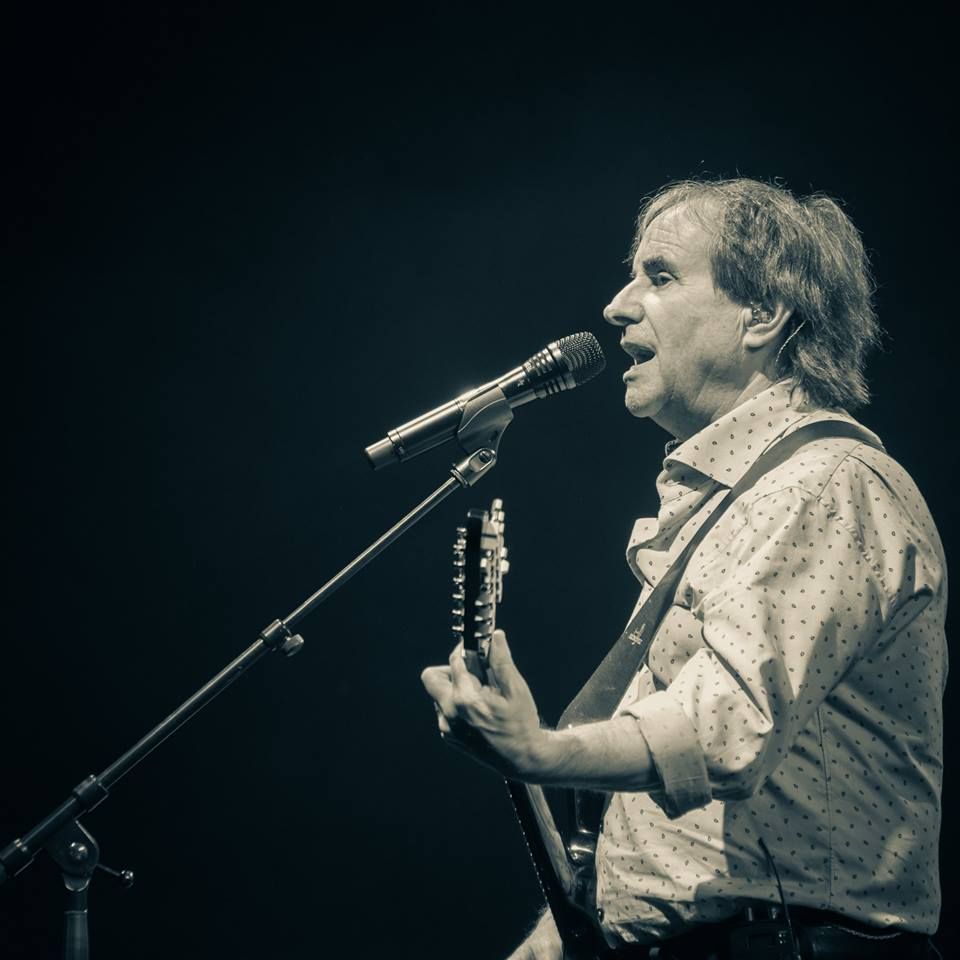
Chris de Burgh’s voice in this song is both storyteller and guide, delivering each word with a mix of urgency and calm that invites listeners into the narrative rather than merely observing it from outside. For many, the song is a reminder of that uncharted territory we all navigate as time curves forward: a place where caution and courage walk side by side.
So when you listen again — or perhaps for the first time in years — to “Don’t Pay the Ferryman”, take a moment to let its mystery wash over you. Let the ferryboat glide in your imagination across waters that might be stormy, fog-shrouded, or still as glass. Let the refrain echo not just as a lyric, but as a reminder of the strength it takes to reach that other side, and the wisdom of knowing when to hold fast and when to release fear into the night.