
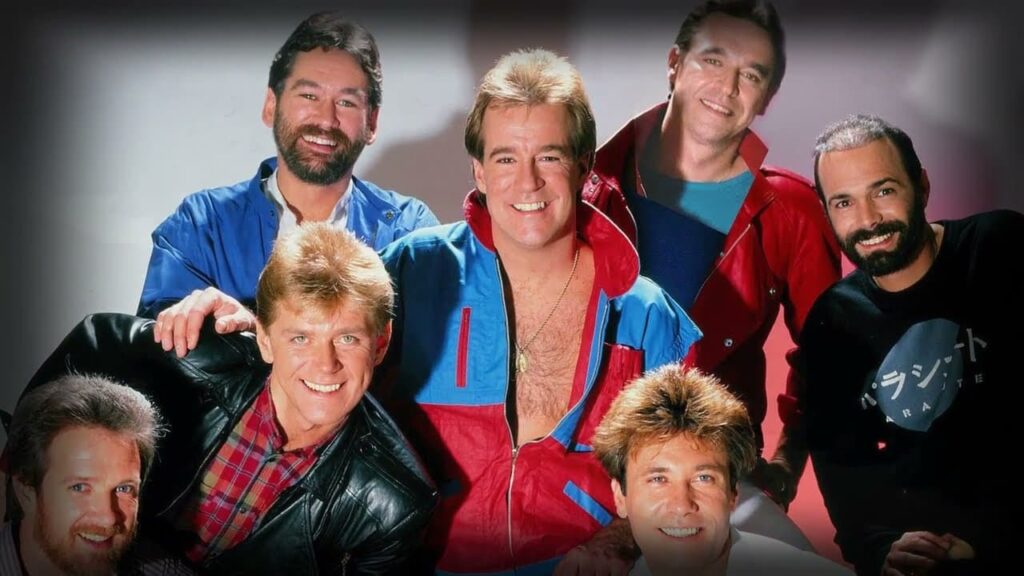
Chicago’s Hard To Say I’m Sorry Remains a Timeless Anthem of Love, Loss, and Healing
More than four decades after its release, Chicago’s Hard To Say I’m Sorry continues to stand as one of the defining love songs of the early 1980s. Released in 1982 as the lead single from the album Chicago 16, the song marked a remarkable return to commercial success for the band and introduced a new generation to their signature blend of heartfelt lyrics and polished soft rock. It reached Number One on the Billboard Hot 100, becoming one of the biggest hits of the year and an enduring part of Chicago’s musical legacy.
Written by Peter Cetera and David Foster, the ballad tells a simple yet powerful story about regret, forgiveness, and the hope of restoring a relationship. Cetera’s warm and emotional vocal performance gives the song its lasting emotional weight, while Foster’s elegant production balances gentle piano melodies with a memorable orchestral arrangement. The transition into the energetic closing section adds a sense of optimism, making the song feel both intimate and uplifting.
The emotional connection surrounding Hard To Say I’m Sorry has only deepened with time. For many people, it has become more than a classic love song. It serves as a reminder of important moments in their lives, carrying memories that remain vivid despite the passing of the years. Some remember 1982 as a joyful chapter filled with unforgettable music, while others associate the song with profound personal loss. For those who experienced the death of a loved one during that period, hearing the familiar melody can still bring tears, reminding them that love continues long after goodbye.
Certain moments within the recording have achieved almost legendary status among longtime listeners. The heartfelt refrain of “Hold me now” captures a universal longing for comfort and reconciliation. Even after more than forty years, those lines continue to evoke powerful emotions, demonstrating how a few simple words, delivered with sincerity, can leave an unforgettable impression across generations.
The song also remains a source of comfort during difficult times. Its calm melody and reassuring message have helped many people find peace, easing feelings of fatigue, stress, and emotional exhaustion. Rather than fading into nostalgia alone, it continues to offer genuine solace, proving that timeless music can provide healing as well as lasting memories.
Today, Hard To Say I’m Sorry remains one of Chicago’s most celebrated recordings. Its success on the charts secured its place in music history, but its greatest achievement lies in its emotional endurance. Decades after its release, the song still speaks to the universal experiences of love, forgiveness, remembrance, and hope, ensuring that its legacy will continue to resonate for generations to come.