
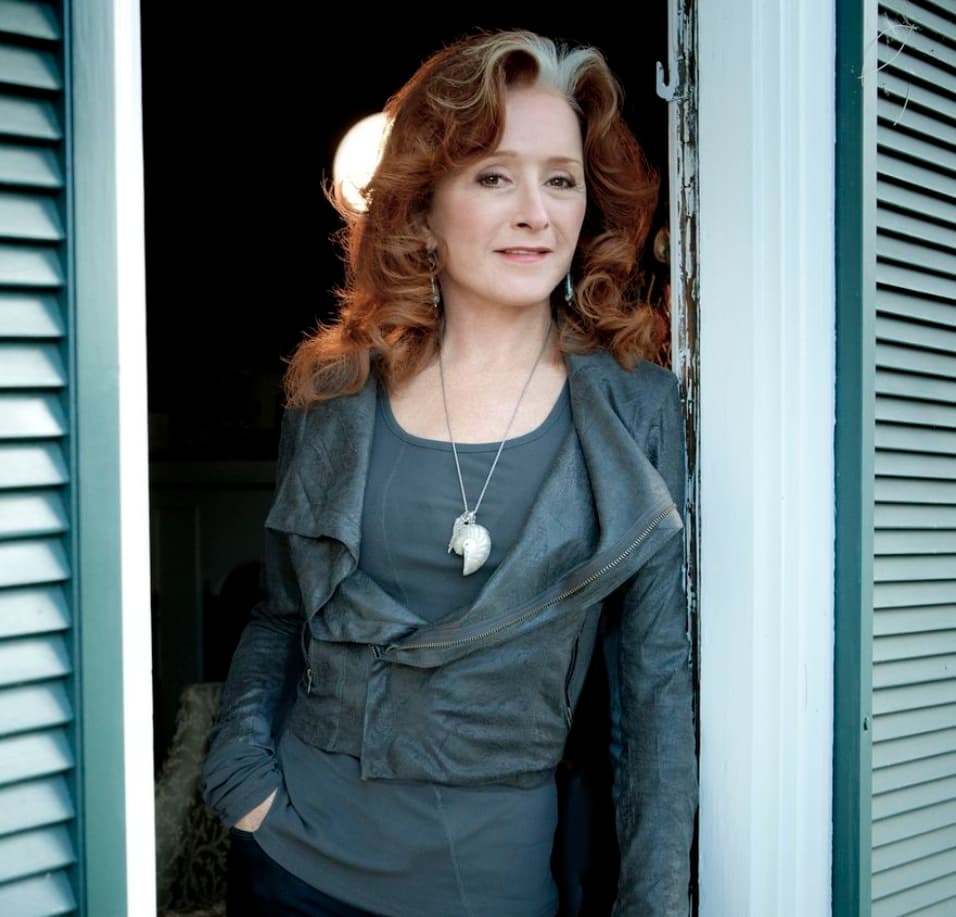
Bonnie Raitt’s “I Can’t Make You Love Me” Remains One of Music’s Most Heartbreaking Masterpieces
More than three decades after its release, “I Can’t Make You Love Me” by Bonnie Raitt continues to stand as one of the most powerful and emotionally devastating love songs ever recorded. Released in 1991 on the album Luck of the Draw, the ballad has earned a lasting reputation for its honest portrayal of unrequited love, heartbreak, and acceptance.
Written by Mike Reid and Allen Shamblin, the song tells the painful story of someone confronting a reality that cannot be changed. Its central message is simple yet profound. Love cannot be forced. No amount of devotion, sacrifice, or hope can make another person feel what they do not feel.
One of the defining elements of the recording is the elegant piano performance by Bruce Hornsby. His understated accompaniment provides the emotional foundation for the song, allowing every lyric to resonate with remarkable clarity. Equally notable is Raitt’s vocal performance, which has become legendary for its sincerity and restraint. According to long established accounts surrounding the recording, she delivered the vocal track in a single take, a fact that has only deepened admiration for the authenticity captured in the final version.
The song has endured because it speaks to a universal experience. Its lyrics reflect the agony of loving someone who cannot return those feelings. For many, the emotional weight of the song recalls lost relationships, shattered hopes, and memories that remain vivid even after decades have passed. Others have found strength in its message of acceptance, drawing courage to leave unhealthy relationships and begin new chapters in life.
Many describe the song not simply as sad, but as deeply human. The pain expressed within it has often been compared to grieving for someone who is still alive. It captures the moment when a person finally understands that love alone cannot overcome emotional distance. The realization is heartbreaking, yet the song also contains an unmistakable sense of dignity and resilience.
The recording remains a testament to the power of great songwriting, inspired musicianship, and emotional truth. It is the kind of song that transcends generations, continuing to find new listeners while maintaining a profound connection with those who have carried it with them for years.
Today, “I Can’t Make You Love Me” is widely regarded as one of the finest ballads ever recorded. Supported by Raitt’s unforgettable vocal, Hornsby’s sensitive piano work, and the craftsmanship of the late engineer Ed Cherney, the song endures as a timeless reminder that some of music’s greatest masterpieces are born from the most difficult emotions of all.