
I Got the Cross the River Jordan — a voice from the Deep South carrying faith, sorrow, and quiet defiance across time
There are songs that entertain, and there are songs that testify. “I Got the Cross the River Jordan”, performed by Blind Willie McTell, belongs firmly to the second kind. It is not a song that ever appeared on the popular music charts of its time, nor was it meant to. Recorded in the early decades of the 20th century, this spiritual-blues piece comes from a world far removed from commercial success — a world where music served as prayer, endurance, and survival. Its power lies not in numbers or rankings, but in the depth of truth it carries.
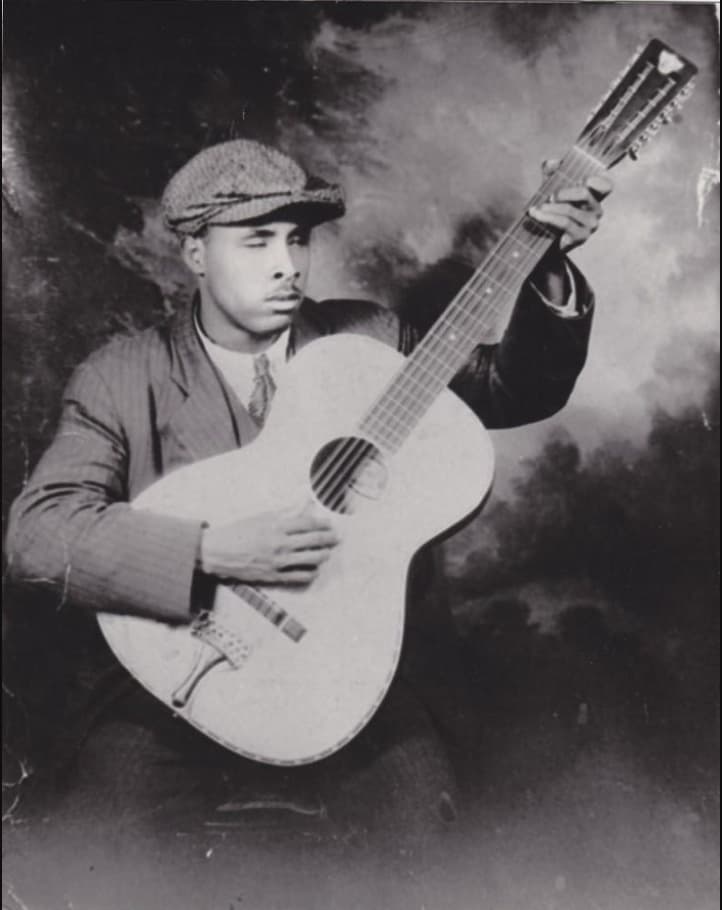
Blind Willie McTell, born William Samuel McTier, was one of the most distinctive voices in American roots music. A master of the 12-string guitar, he stood apart even among the great blues musicians of his era. While many bluesmen sang of earthly troubles in juke joints and on street corners, McTell carried something older and deeper in his voice — the sound of spirituals, gospel hymns, and biblical imagery passed down through generations of African American life in the South.
“I Got the Cross the River Jordan” draws directly from that tradition. The River Jordan, in biblical language, symbolizes the boundary between suffering and salvation, between this world and the next. For McTell and those who lived the life he knew, this image held profound meaning. Crossing the Jordan was not merely about death; it was about release — from hardship, injustice, exhaustion, and sorrow. The song speaks from a place where faith is not abstract theology, but lived experience.
What makes McTell’s version so striking is its restraint. He does not shout. He does not dramatize. Instead, he sings with a calm, almost conversational certainty, as though stating a fact learned long ago. His guitar work flows steadily beneath the vocal line, echoing the rhythm of walking — or perhaps crossing — step by step, without haste, without fear. This quiet confidence gives the song its emotional weight.
Behind the song lies the broader story of McTell’s life. Blind from birth, he navigated a harsh world with remarkable independence and dignity. He traveled widely throughout the Southeast, absorbing ballads, blues, gospel, and folk songs, blending them into a style uniquely his own. Unlike many of his contemporaries, McTell often avoided bitterness in his spiritual recordings. Even when singing of trials, there is a sense of acceptance, a belief that endurance itself is meaningful.
“I Got the Cross the River Jordan” reflects that worldview. It does not deny pain; it transcends it. The crossing is inevitable, but it is not frightening. There is comfort in the knowledge that the journey has purpose. For listeners who have known loss, struggle, or the slow accumulation of years, the song resonates as a reminder that faith can be quiet and steady — not loud or triumphant, but deeply rooted.
In the larger landscape of American music, this song stands as a bridge between sacred and secular traditions. It reminds us that the blues and gospel were never truly separate; they were two sides of the same lived reality. McTell’s recording preserves that unity, offering a glimpse into a time when music carried both earthly weariness and heavenly hope in the same breath.
Today, listening to “I Got the Cross the River Jordan” feels like sitting with history itself — not the history of headlines or charts, but the history of souls. It speaks gently to those who understand that life is a journey marked by crossings, and that somewhere beyond the river lies rest.
Blind Willie McTell does not tell us what waits on the other side. He simply tells us he is ready to cross. And in that quiet readiness, generations of listeners have found their own reflection.