
When Innocence Meets the Echo of Danger: A Joyful Hit Shadowed by a Dark Memory
In the late 1970s, Shaun Cassidy stood at the very summit of teen stardom, a fresh-faced performer whose voice carried both youthful charm and a surprising emotional clarity. Among his defining recordings, “Da Doo Ron Ron”—a spirited revival of the early 1960s classic—became not only a commercial triumph but also a cultural bridge between generations. Released in 1977 as part of his multi-platinum album Shaun Cassidy, the song soared to No. 1 on the Billboard Hot 100, firmly establishing Cassidy as more than a television heartthrob; he was a legitimate force in the music world.
Originally recorded in 1963 by The Crystals and produced by the enigmatic Phil Spector, “Da Doo Ron Ron” carried the unmistakable imprint of Spector’s famed “Wall of Sound.” When Cassidy revisited the song over a decade later, he retained its buoyant rhythm while infusing it with a polished, contemporary pop sheen that resonated with a new audience. His version also reached No. 1 in Canada and performed strongly across international charts, reinforcing the timeless appeal of its infectious melody and simple, almost innocent storytelling.
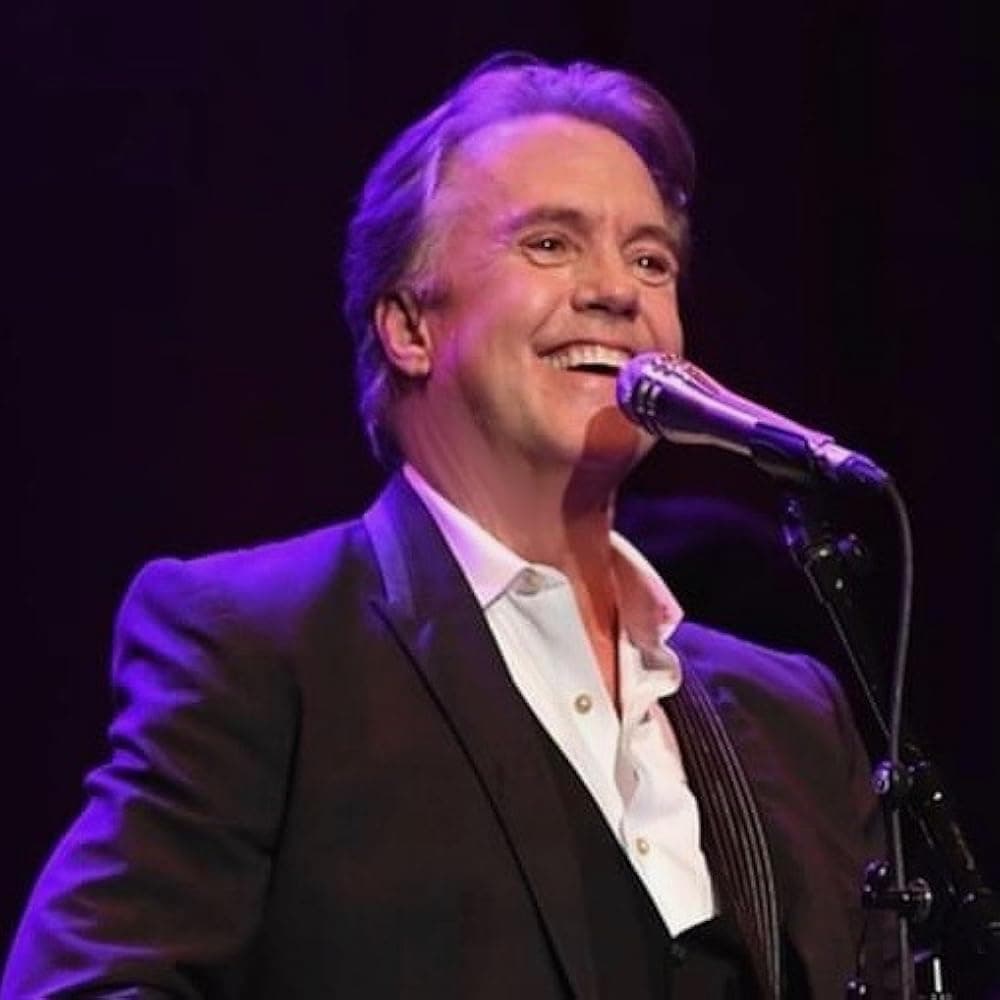
Yet behind this seemingly carefree hit lies a story that feels almost surreal in its contrast. Years later, during a candid appearance at City Winery Boston, Cassidy shared a chilling memory involving none other than Phil Spector himself. In a moment that felt far removed from the joyous spirit of “Da Doo Ron Ron,” Cassidy recounted being held at gunpoint by Spector—a deeply unsettling encounter that revealed the darker side of the legendary producer’s volatile personality. It is a story that casts a long shadow, reminding us that the music industry, even in its golden eras, was not without its complexities and contradictions.
This juxtaposition—between the bright, carefree energy of the song and the ominous reality of its creator—adds a layer of poignancy to Cassidy’s rendition. “Da Doo Ron Ron” tells a simple tale of romantic excitement, of a young girl swept away by the thrill of meeting someone new. Its lyrics are light, almost whimsical, driven by a rhythm that invites listeners to clap along and forget their worries, if only for a few minutes. And yet, knowing what Cassidy experienced, one cannot help but hear an echo beneath the surface—a reminder that even the most joyful melodies can be touched by darker truths.
For Cassidy, the song marked a turning point. It was a declaration of independence, a moment when he stepped out from the shadow of his famous family—being the younger brother of David Cassidy—and carved out his own identity. His success with “Da Doo Ron Ron” also coincided with his role as Joe Hardy in the television series The Hardy Boys, further amplifying his popularity and embedding his image into the cultural fabric of the era.
Listening to the track today, there is an undeniable sense of nostalgia. It recalls a time when pop music felt simpler, when a catchy refrain and a heartfelt delivery were enough to capture the imagination of millions. But it also invites reflection—on the passage of time, on the stories behind the songs, and on the resilience of artists who navigate both the light and the darkness of their craft.
In the end, “Da Doo Ron Ron” remains a celebration—of youth, of music, and of a moment when everything seemed possible. Yet Cassidy’s story reminds us that every note carries a history, and sometimes, the most uplifting songs are the ones that have endured the deepest shadows.