
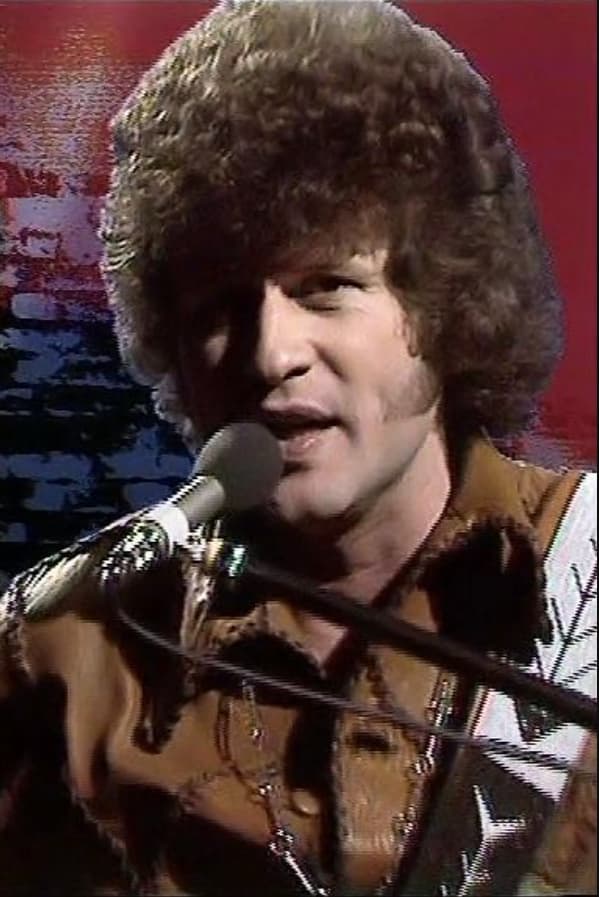
A haunting farewell wrapped in melody—“If You Go Away” turns love’s fragile final moments into an unforgettable confession of longing and loss.
Few songs capture the quiet devastation of impending separation as poignantly as “If You Go Away” by Terry Jacks. Released in 1974, the song appeared on the album Seasons in the Sun, arriving at a time when Jacks had already etched his name into popular music history. While it never reached the towering chart heights of his signature hit, the single still resonated strongly with listeners, charting modestly in North America and becoming a cherished piece among those drawn to reflective, melancholic ballads.
The origins of “If You Go Away” trace back to the deeply poetic world of Belgian singer-songwriter Jacques Brel, who originally wrote the song as “Ne me quitte pas” in 1959. That original composition—often regarded as one of the most emotionally raw pleas in European chanson—was later adapted into English by Rod McKuen and Mort Shuman. Before Terry Jacks recorded his version, the song had already been interpreted by notable artists such as Frank Sinatra and Dusty Springfield, each bringing their own emotional shading. Yet Jacks’ rendition stands apart for its understated vulnerability and intimate delivery.
By 1974, Terry Jacks was riding the immense success of “Seasons in the Sun”, a global number-one hit that had touched millions with its gentle meditation on farewell and mortality. It is perhaps no coincidence that he would gravitate toward “If You Go Away”, a song equally preoccupied with endings—though this time, the departure is not death, but the slow unraveling of love. His interpretation strips the song of grand theatricality, replacing it with a quiet, almost conversational tone, as if the listener were sitting across from him in a dimly lit room, hearing a confession too fragile to be spoken aloud.
Lyrically, “If You Go Away” is a study in emotional contrast. The verses imagine a world drained of color and meaning should the beloved leave—fields lying barren, skies turning cold, life itself reduced to a hollow existence. Yet within those lines lies not anger, but resignation—a profound understanding that love cannot be forced to stay. This emotional maturity gives the song its enduring power. It does not beg loudly; it aches quietly.
The arrangement in Terry Jacks’ version mirrors this restraint. Soft instrumentation—gentle strings, subtle acoustic textures—frames his voice without overwhelming it. The production allows every pause, every breath, to carry weight. Unlike more dramatic interpretations, Jacks’ performance feels deeply personal, almost fragile, as though the song might break under its own emotional gravity.
What makes “If You Go Away” particularly timeless is its universality. Nearly everyone, at some point, has stood at the edge of losing someone they love, caught between hope and acceptance. The song does not offer resolution; instead, it lingers in that uncertain space, where words feel inadequate and silence says more than anything else.
Over the decades, the song has quietly endured, often rediscovered by listeners who find in it a reflection of their own unspoken thoughts. In the hands of Terry Jacks, it becomes less a performance and more a memory—something half-remembered, like a conversation that never quite reached its ending.
Listening to “If You Go Away” today is like opening an old letter, its edges worn, its ink slightly faded, yet its meaning as powerful as ever. It reminds us that some goodbyes are never fully spoken—they simply echo, softly, long after the moment has passed.