
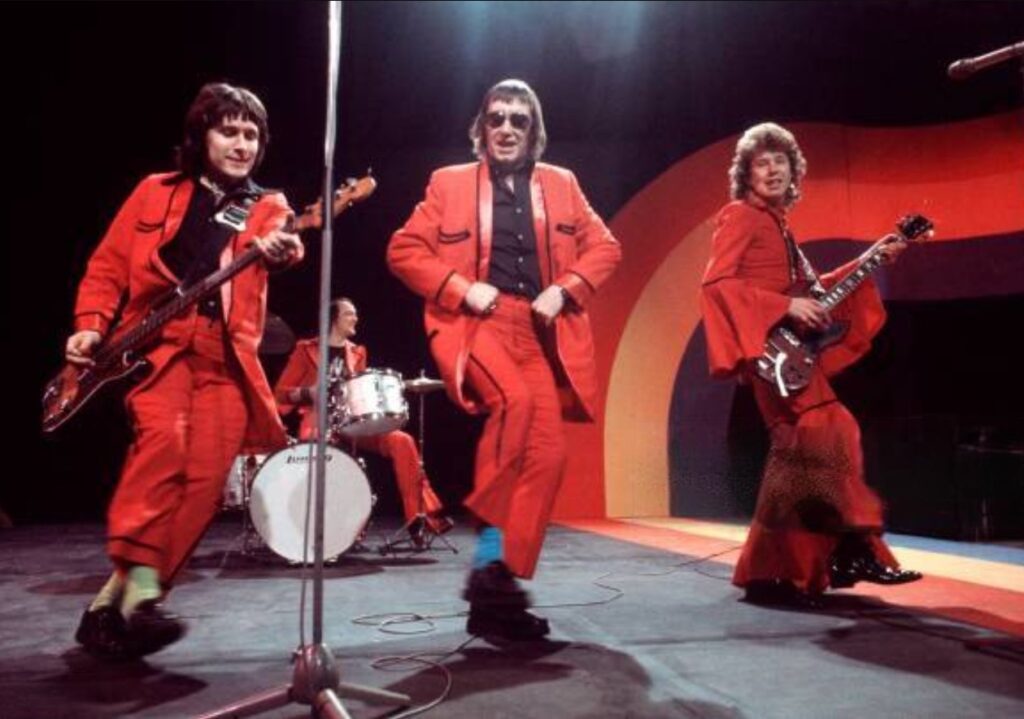
Mud Brings Fresh Life to Blue Moon With a Memorable Live Performance
The timeless appeal of classic rock and roll was once again on display through Mud’s spirited live performance of Blue Moon, a song that has been interpreted by countless artists over the decades. While Blue Moon has long been recognized as one of the great standards of popular music, Mud gave it a distinctive style that reflected the band’s own blend of glam rock, pop, and nostalgic rock and roll during the 1970s.
Originally written by Richard Rodgers and Lorenz Hart, Blue Moon has enjoyed an extraordinary history since its creation in the 1930s. By the time Mud recorded and performed the song, it had already become a familiar favorite across generations. Rather than simply recreating earlier versions, the British group infused the classic with their signature sound, combining polished harmonies, lively rhythms, and an unmistakable sense of fun that helped define their success throughout the decade.
The live performance stands out for its confident vocal delivery and energetic stage presence. Without relying on elaborate production, the band demonstrated the musical chemistry that made them one of Britain’s most popular acts during the glam rock era. Their ability to balance tight harmonies with an upbeat performance allowed the familiar melody to feel both respectful of its history and refreshingly contemporary for its time.
Mud enjoyed remarkable commercial success during the 1970s with hit singles such as Tiger Feet, Lonely This Christmas, and Oh Boy. Their popularity was built not only on chart success but also on their ability to entertain audiences through vibrant live performances. Blue Moon fit naturally into that tradition, showcasing the group’s versatility beyond their original hit songs.
The performance also reflects an era when live television appearances often placed the spotlight squarely on the artists themselves. Strong vocals, natural musicianship, and engaging stage charisma were essential elements, and Mud consistently demonstrated those qualities throughout their career. Their version of Blue Moon captures that spirit with warmth and authenticity.
Many listeners continue to associate this performance with the golden years of the 1970s, recalling a period when catchy melodies and heartfelt performances dominated popular music. Others admire the fact that the live rendition highlights the band’s vocal abilities without depending on heavy musical backing, allowing the quality of the singing to remain the central focus. Some even regard Mud’s interpretation as standing alongside, or surpassing, other well known rock and roll revival groups of the era because of its lively energy and natural confidence.
Decades after it was first performed, Mud’s rendition of Blue Moon remains a reminder of the band’s enduring charm. It celebrates both the lasting beauty of a beloved American standard and the unique character that Mud brought to every song they performed, preserving a joyful chapter in the musical legacy of the 1970s.