
A Gentle Cry of the Artist’s Heart: When the World Changes a Song Beyond Recognition
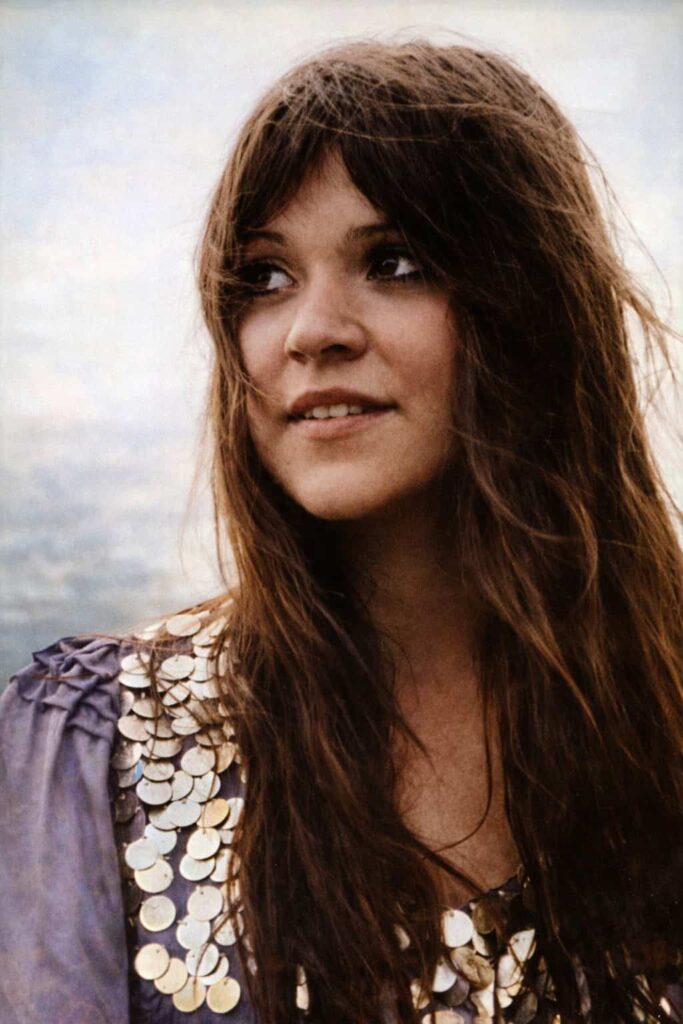
Few songs from the early 1970s capture the fragile relationship between creativity and commercial success quite like “Look What They’ve Done to My Song, Ma.” Written and recorded by Melanie—the soft-spoken yet fiercely independent folk singer whose full name is Melanie Safka—the song became one of the most poignant reflections on artistic identity ever put into a pop melody. Released in 1970 on her album Candles in the Rain, the track quietly found its way into the hearts of listeners around the world.
While it was not initially a massive hit in the United States—reaching only No. 82 on the Billboard Hot 100—the song enjoyed far greater success overseas. In the United Kingdom, it climbed to No. 5 on the UK Singles Chart, and in Canada it reached No. 3, demonstrating how deeply audiences connected with its bittersweet message.
To understand the spirit of “Look What They’ve Done to My Song, Ma,” one must first understand the unique moment in which Melanie emerged. The late 1960s and early 1970s were a time when folk music was evolving rapidly. The influence of Bob Dylan, the introspective songwriting of Joni Mitchell, and the confessional style of artists like Donovan had opened the door for singer-songwriters who wanted to express personal truths rather than simply deliver polished pop songs.
Yet success in the music industry often came with compromise. Record producers, radio programmers, and commercial expectations could reshape a song in ways the songwriter never intended. Melanie, still young and relatively new to the business, found herself wrestling with this very dilemma. Out of that tension came this quietly defiant composition.
The structure of the song itself is remarkable. It shifts between melancholy English verses and unexpectedly bright French refrains—“Regardez ce qu’ils ont fait de ma chanson.” This sudden change in language and tone is not merely decorative. It mirrors the central complaint of the lyrics: the transformation of something simple and sincere into something unfamiliar. The melody begins as a delicate folk lament but gradually becomes almost playful, as if the singer is both grieving and shrugging at the absurdity of it all.
In many ways, the song feels like a conversation between a daughter and her mother. The repeated line—“Look what they’ve done to my song, Ma”—carries the sound of a child returning home after discovering that the world is more complicated than she imagined. It is a line filled with disappointment, confusion, and a hint of quiet humor. One can almost picture the singer sitting at a kitchen table, guitar in hand, explaining how the industry polished, rearranged, and ultimately changed the song she once wrote in innocence.
The irony, of course, is that this very complaint became one of Melanie’s most beloved recordings. Its sincerity resonated deeply with listeners who had seen similar changes in their own lives. Many people heard not only a musician’s frustration but also a broader reflection on how ideals can be altered by time, success, or outside pressures.
The song’s legacy has grown steadily over the decades. It has been covered by numerous artists across different genres, including Ray Charles, Dalida, and Nina Simone, each interpreting the piece through their own musical lens. These reinterpretations only reinforced the universal quality of the song’s theme: the struggle to preserve authenticity in a world eager to reshape it.
Musically, the recording is deceptively simple. A gentle acoustic guitar, subtle orchestration, and Melanie’s unmistakable voice—fragile yet expressive—carry the song forward. She sings with a tone that feels both wounded and wise, as though she already understands that such compromises are part of an artist’s journey.
More than half a century later, “Look What They’ve Done to My Song, Ma” remains a quietly powerful piece of musical storytelling. It reminds listeners that behind every polished record lies a human voice that once sang the song in its purest form. And perhaps that is why the song still lingers in memory: it captures that moment when innocence meets reality, when the artist looks at the finished product and wonders—softly, almost with a smile—how it became something so different from the song that first lived in the heart.