
When Regret Finally Speaks — “Do You Believe Me Now” as a Late Confession of Love and Loss
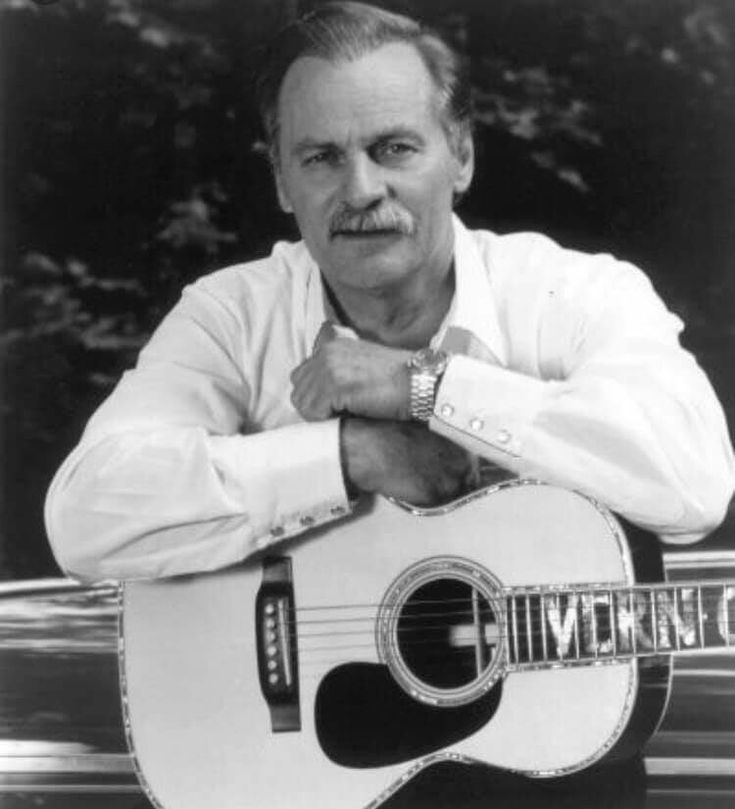
Few voices in country music ever carried heartbreak with the quiet authority of Vern Gosdin. By the time “Do You Believe Me Now” reached listeners in 1988, Gosdin had already earned a reputation as “The Voice” — not for power or range alone, but for the lived-in honesty that seemed to rise from every note. Released as the title track of the album “Do You Believe Me Now”, the song climbed to No. 4 on the Billboard Hot Country Singles chart, marking one of the most poignant late-career highlights in a catalog built on quiet devastation.
From its opening lines, the song does not ask for sympathy — it confesses. That distinction matters. Written by Vern Gosdin, along with Max D. Barnes and Hank Cochran, the composition feels less like a crafted narrative and more like a moment overheard — a man standing alone, realizing too late that love, once dismissed, has slipped beyond his reach. The title itself is not a question of curiosity, but of quiet defeat. It’s the kind of question one asks when the answer no longer changes anything.
What gives “Do You Believe Me Now” its enduring power is its restraint. There is no dramatic orchestration, no swelling chorus designed to overwhelm. Instead, the arrangement leaves space — space for reflection, for memory, for the kind of silence that follows regret. Gosdin’s voice moves carefully through the melody, never rushing, as if each word carries a weight he is reluctant to disturb. In an era when country music was beginning to lean toward polish and crossover appeal, this song stood firmly rooted in tradition — closer in spirit to the emotional storytelling of artists like George Jones than to the emerging Nashville sheen.
The story behind the song mirrors its emotional depth. By the late 1980s, Vern Gosdin had endured a career of highs and setbacks, including industry struggles and periods of commercial uncertainty. That sense of hard-earned perspective seeps into the performance. When he sings about realizing the value of love only after losing it, it does not feel imagined. It feels remembered. This authenticity is perhaps why the song resonated so strongly with audiences — not as a dramatic tale, but as a familiar truth many recognize but rarely articulate.
Lyrically, the song explores one of country music’s oldest themes: regret. But unlike many heartbreak songs that dwell in sorrow, “Do You Believe Me Now” lingers in realization. It is the moment after denial fades — when pride dissolves, and clarity arrives too late to repair what’s broken. There is no anger here, no blame cast outward. The narrator turns inward, acknowledging his own failure to understand what he once had. That quiet accountability gives the song a moral gravity that elevates it beyond simple heartbreak.
Listening to it today, decades removed from its chart run, the song feels untouched by time. It belongs to that rare class of recordings where context fades and emotion remains. The production may carry the subtle hallmarks of the late ’80s, but the sentiment could have been recorded in any decade — or lived in any life. It reminds us that some lessons are universal, and some realizations arrive only when they can no longer change the outcome.
In the end, “Do You Believe Me Now” is not about convincing someone else. It is about finally understanding oneself. And in that quiet, bittersweet realization, Vern Gosdin gave country music one of its most enduring reflections on love — not as it begins, but as it is remembered when it’s already gone.