
The Untold Truth of Gordon Lightfoot Reveals the Quiet Struggles Behind a Legendary Career
For decades, Gordon Lightfoot was celebrated as one of the defining voices of folk and country music, creating timeless classics such as Sundown and The Wreck of the Edmund Fitzgerald. Yet behind the success stood a deeply private man whose life was shaped by personal contradictions, hardship, resilience, and an unwavering commitment to his craft.
Raised in the small Canadian town of Orillia, Lightfoot often credited his childhood in the wilderness with shaping both his character and his songwriting. However, those early years also included two frightening near death experiences. At just ten years old, he narrowly escaped a collision with a train while traveling with his father. Four years later, he nearly drowned after falling through thin ice while ice fishing on Lake Simcoe. Lightfoot later admitted that confronting mortality so young left a lasting emotional impact that stayed with him throughout his life.
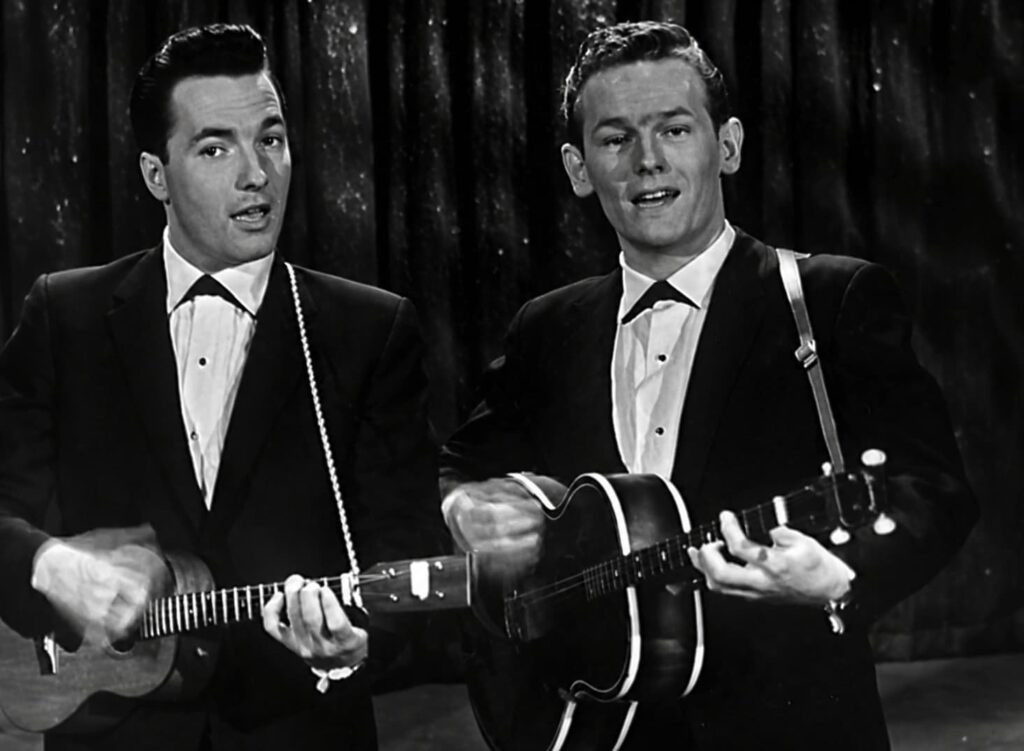
His musical ability was recognized almost immediately by his family. Relatives would pay him to sing during holiday gatherings, and he later appeared on Canadian television as part of the Singin’ Swingin’ Eight, where he not only sang but also performed square dancing. Those early appearances hinted at a performer destined for a remarkable career.
Despite writing songs that became closely associated with Canada’s landscapes and identity, Lightfoot insisted he never intentionally wrote songs about Canada. He explained that the country’s atmosphere, geography, and spirit naturally found their way into his music because they were inseparable from his own life, not because he deliberately set out to celebrate his homeland.
Some of his greatest songs emerged during his most difficult personal moments. Sundown was written while Lightfoot struggled with the collapse of relationships, growing alcohol addiction, and the declining health of his father, who was battling stomach cancer. Before his father passed away, Lightfoot was able to play him a recording of the song, giving the family a final shared musical moment.
Lightfoot also declined an opportunity to participate in a proposed film based on The Wreck of the Edmund Fitzgerald. He later explained that he did not want to portray himself as an alcoholic, believing his conscience would not allow it. The song itself became one of the defining achievements of his career after being recorded in a single studio take.
Although fiercely protective of his private life, Lightfoot occasionally revealed glimpses of his inner world. He acknowledged periods of depression, valued long canoe expeditions through the Canadian wilderness as a form of therapy, and briefly explored Scientology primarily because it provided someone to talk to during a difficult period of his marriage. Even after surviving a devastating abdominal hemorrhage in 2002 that left him in a coma for six weeks, along with later health challenges including emphysema, anemia, and a mini stroke, he remained determined to keep performing.
Family eventually became his highest priority. Reflecting on the collapse of one important relationship, Lightfoot described it as the turning point that convinced him to stop drinking. His guiding principles became simple: family first, then music.
Even in his eighties, Lightfoot had no desire to retire. After adapting to livestream performances during the pandemic, he was preparing for another tour before his death on May 1, 2023, at the age of 84. His remarkable career remains defined not only by unforgettable songs but also by extraordinary perseverance through personal hardship, making his legacy one of quiet strength as much as enduring musical excellence.