
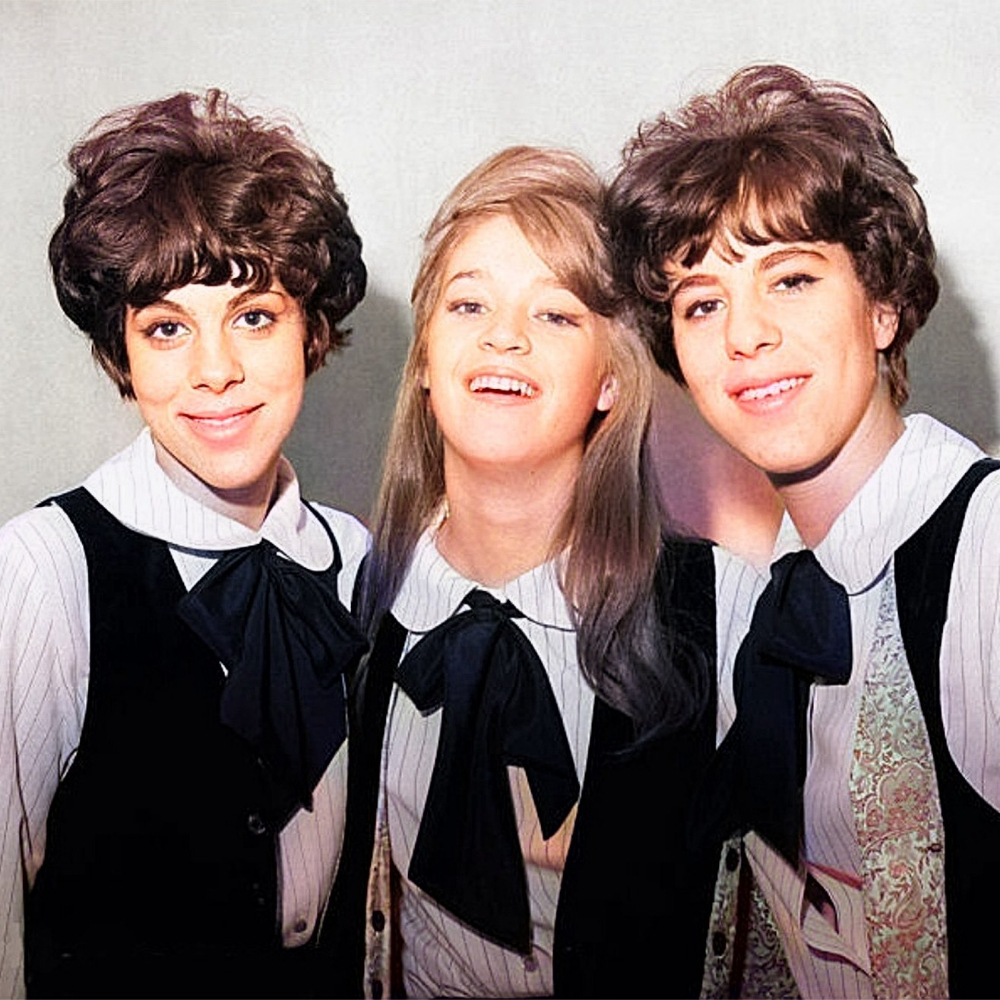
A teenage tragedy that captured the raw, forbidden ache of first love.
There are songs that define a generation, and then there are songs that feel like they’ve existed forever, a timeless echo of a feeling we all know. “Leader of the Pack” by The Shangri-Las is one of the latter. Released in 1964, this three-minute masterpiece isn’t just a pop song; it’s a full-fledged cinematic drama, a miniature opera of teenage rebellion, class conflict, and heartbreaking tragedy. It was an instant phenomenon, rocketing to the top of the charts with a visceral force that few songs have ever replicated. In the US, it hit number one on the Billboard Hot 100 on November 28, 1964, a position it held with an almost shocking power, cementing its place in music history. The story behind it, however, is as layered and dramatic as the song itself.
The song was the brainchild of a truly legendary team. Written by the powerhouse Brill Building trio of George “Shadow” Morton, Jeff Barry, and Ellie Greenwich, it was a deliberate follow-up to the group’s previous hit, “(Remember) Walking in the Sand.” The Red Bird Records label, helmed by the equally iconic Jerry Leiber and Mike Stoller, needed another hit, and Morton, a producer with a flair for the theatrical, delivered something far beyond a simple pop tune. The production is what makes the song so unforgettable, a testament to Morton’s audacious vision. The sound effects—the spoken-word dialogue, the screeching tires, the revving motorcycle engine, and the final, brutal sound of a crash—were revolutionary. In an era of clean-cut, bubblegum pop, “Leader of the Pack” was a blast of gritty, raw realism. It was a “death disc” that felt uncomfortably, thrillingly real. Legend has it that the motorcycle sound was recorded by revving a bike in the recording studio’s hotel lobby—a story that, even if apocryphal, perfectly captures the song’s wild spirit.
At its core, the meaning of “Leader of the Pack” is the quintessential high school heartache. It tells the story of a girl whose love for a motorcycle-riding “bad boy” named Jimmy is forbidden by her disapproving parents, who see him as coming from “the wrong side of town.” This wasn’t just a simple boy-meets-girl story; it was a potent commentary on class divides and parental control, a theme that resonated deeply with the restless youth of the mid-60s. Lead singer Mary Weiss, a teenager herself at the time, delivered the vocals with a remarkable sense of vulnerability and defiance. Her voice shifts from sweet confession to a heart-wrenching scream of “Look out! Look out! Look out!”—a primal, gut-punch of a moment that has stayed with generations of listeners. The song’s power lies in its ability to take a universal teenage experience—the feeling of being misunderstood and the pain of a first breakup—and escalate it into a mythic tragedy.
Beyond its initial success, the song’s legacy is immense. It became an anthem for the girl group sound and a touchstone for future generations of musicians. The BBC initially refused to play it, perhaps sensing its dangerous allure and fearing it would encourage the “mods and rockers” clashes of the day. Yet, the song was so powerful that it charted in the UK multiple times, reaching number 11 in 1965, number 3 in 1972, and number 7 in 1976. This sustained success is a testament to its enduring emotional weight. “Leader of the Pack” isn’t just a nostalgic piece of pop history; it’s a testament to the power of a great story, a daring production, and a voice that could make us all feel the crushing weight of a young heart breaking on a rainy street. It reminds us of a time when the world seemed both infinitely simpler and impossibly complex, a time when a boy on a motorcycle could be the center of your entire universe.