
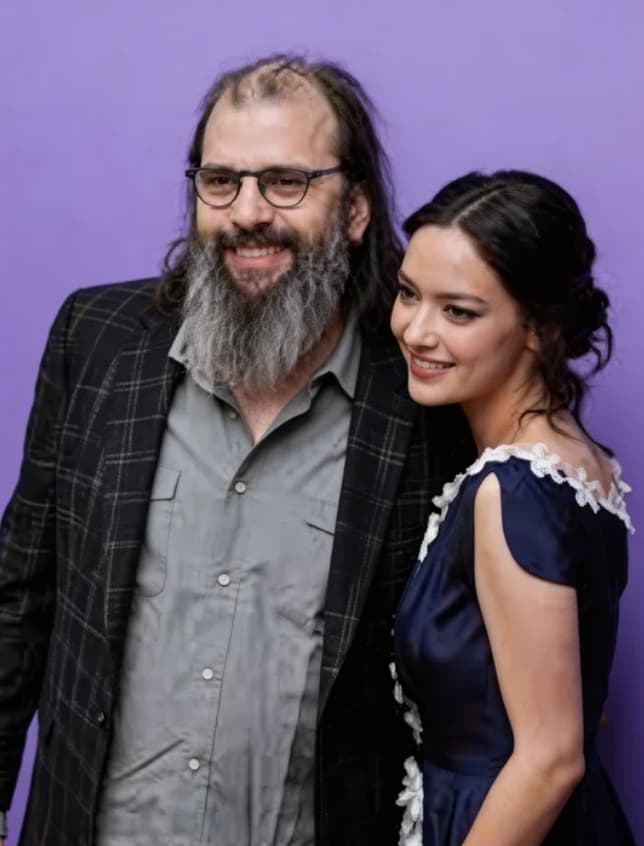
A haunting musical conversation between sorrow and resilience in Treme Musical Performances, where memory and melody intertwine
When speaking of the deeply evocative musical moments captured in the television series Treme, one cannot overlook the stirring collaboration between Steve Earle and Lucia Micarelli. Their performances are not tied to a traditional chart debut in the way commercial singles are, yet they carry a cultural weight that far exceeds many chart-topping releases. Premiering in 2010, the series itself became a quiet yet powerful chronicle of post-Katrina New Orleans, and within it, these musical interludes served as emotional anchors—moments where narrative paused and truth spoke through song.
Steve Earle, already a revered figure in American roots music by that time, brought into Treme not just his voice, but his lived experience—his understanding of struggle, loss, and redemption. Alongside him, Lucia Micarelli, whose violin often seems to weep and whisper in equal measure, created performances that felt less like rehearsed pieces and more like spontaneous confessions. Their renditions, particularly of songs like “This City” (written by Earle for the show), were nominated for prestigious awards, including a Grammy nomination for Best Song Written for Visual Media—an acknowledgment not of chart dominance, but of artistic sincerity.
The story behind these performances is inseparable from the story of New Orleans itself. Hurricane Katrina left scars that went far beyond physical destruction. It disrupted communities, silenced traditions, and tested the spirit of a city known for its music. Treme sought not to dramatize this tragedy in exaggerated tones, but to honor it through authenticity. Music, in this context, was not decoration—it was testimony. When Steve Earle sings within the show, he is not merely performing; he is bearing witness. And when Lucia Micarelli draws her bow across the strings, it feels as though she is tracing the emotional contours of a wounded yet unbroken place.
What makes these performances particularly meaningful is their restraint. There is no grand spectacle, no overproduction. Instead, there is space—space for reflection, for memory, for the listener to bring their own experiences into the music. This is perhaps why these moments resonate so deeply. They remind us of a time when music was not just consumed, but felt—when a single melody could linger in the air long after the final note had faded.
Unlike conventional hits that climb the Billboard Hot 100, the music from Treme occupies a different kind of ranking—one measured in emotional impact rather than numerical position. It belongs to that rare category of art that does not seek immediate applause but earns lasting reverence. For those who have followed Steve Earle through decades of songwriting, or discovered Lucia Micarelli through her poignant presence in the series, these performances offer something profoundly personal: a reminder of music’s ability to heal, to remember, and to endure.
In the end, what lingers is not just the sound, but the silence that follows—the kind that invites contemplation. These performances are worth revisiting not because they demand attention, but because they quietly reward it. They stand as a testament to the enduring power of honest music, delivered without pretense, and received with an open heart.