
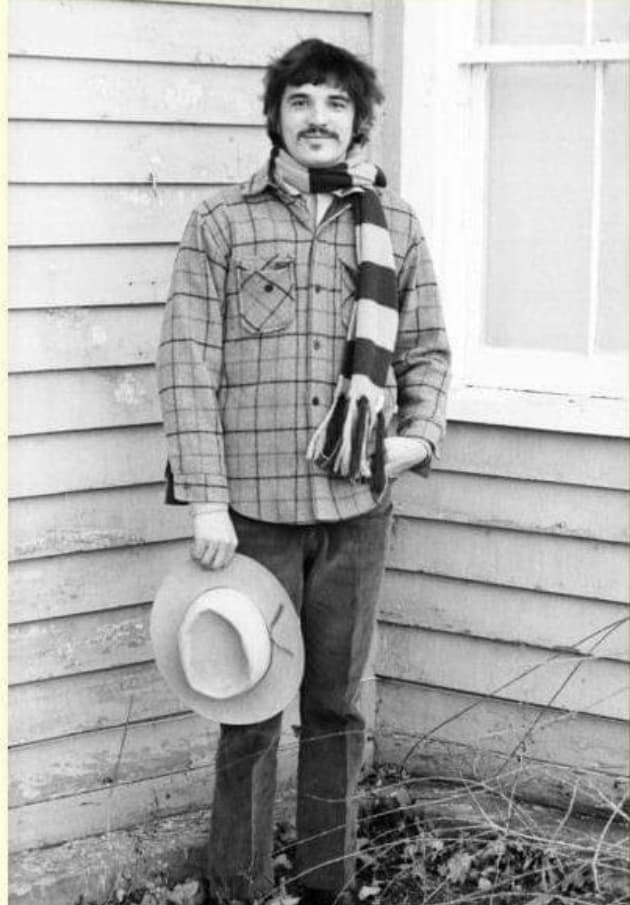
People of Conscience — a weary prayer for humanity, sung by a voice that had already seen the cost of silence
There is a hushed gravity in “People of Conscience” that sets it apart the moment it unfolds. This is not a song that seeks applause or affirmation. It feels more like a late-night confession, spoken softly by someone who has witnessed the rise and fall of ideals, friendships, and eras. Sung by Rick Danko, the song appears on the posthumously released album Times Like This (2002), a collection that gathered his final studio recordings and offered the world one last glimpse into his inner landscape.
To speak plainly at the outset: “People of Conscience” was never a charting single. It did not appear on major Billboard rankings upon release. But its importance lies elsewhere — not in numbers, but in meaning. By the time this song reached listeners, Danko had already passed away, and that fact alone lends the track a profound weight. What we hear is not ambition or rebellion, but reflection. A man looking outward at the world, and inward at his own long journey.
Rick Danko was, of course, best known as a core member of The Band, a group that helped redefine American roots music by blending rock, folk, country, and soul into something timeless. Within that collective, Danko’s voice always carried a special ache — fragile yet resilient, tender yet unafraid of truth. That same voice anchors “People of Conscience”, stripped of grandeur, almost conversational, as if he is speaking directly to the listener rather than performing.
The song’s message is unmistakable. It calls out to those who still possess moral courage — those willing to stand quietly but firmly against cruelty, indifference, and moral exhaustion. Danko does not preach. He asks. He wonders. He hopes. The title itself, People of Conscience, feels like both a reminder and a question: where are they now, and will they speak when it matters?
What makes this song especially moving is the stage of life from which it was written. By the late 1990s, Danko had endured the long arc of fame, obscurity, struggle, and survival. He had seen the promises of idealism collide with reality — in the music industry, in society, and in personal relationships. This experience flows through the song like an undercurrent. There is fatigue here, but also resolve. A sense that even when voices grow tired, they still matter.
Musically, the arrangement is modest and restrained. There is no excess, no attempt to dazzle. The focus remains firmly on the voice and the words. This restraint feels intentional — as if Danko understood that the song’s power would be diluted by ornamentation. Instead, he allows space. Space for thought. Space for memory. Space for the listener to place their own experiences into the song’s quiet pauses.
For those who lived through decades when music often carried social conscience without shouting, “People of Conscience” feels like a familiar companion. It recalls a time when songs trusted the intelligence and emotional depth of their audience — when reflection mattered as much as rebellion. Danko’s delivery suggests not anger, but disappointment tempered by hope. The belief that even in a fractured world, conscience still survives in ordinary people.
There is also something deeply human in hearing this song knowing it would be among his final statements. It feels less like a farewell and more like a final offering — a reminder not to look away, not to forget compassion, not to surrender decency to noise and distraction. Danko does not claim answers. He simply asks us to remember who we are meant to be.
In the end, “People of Conscience” stands as a quiet moral testament from Rick Danko — a man whose music was always rooted in empathy and truth. It may not echo through stadiums or radio rotations, but it lingers where it matters most: in the reflective spaces of the heart, where memory, responsibility, and hope still meet.